


YouTube Kids makes its debut on the Play Store today
Google’s new YouTube Kids app has been delivered to the Play Store today as previously promised. The new kids geared app brings in a slew of educational and fun content for our kids to access without parents needing to worry about them being derailed by videos they shouldn’t really be watching. The app highlights videos from […]
The post YouTube Kids makes its debut on the Play Store today appeared first on AndroidSPIN.
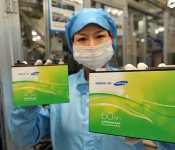
Samsung makes a big play for electric cars by nabbing a battery pack firm

Samsung wants to ensure it’s as integral to the electric car world as it is to the mobile arena. The Korean electronics giant is acquiring Magna International’s battery pack arm, Magna Steyr, which will fit nicely inside of Samsung SDI, its component division. SDI has already scored a major deal with BMW providing batteries for its new i3 and i5 electric cars, and it will make up eight percent of Tesla’s battery supply this year (it’s also in talks to build even more). Having more battery smarts, naturally, should make Samsung a stronger competitor to Panasonic, which is Tesla’s biggest suppler, as well as its partner for the massive “Gigafactory” battery plant. You might also remember Magna as one of the companies Apple reportedly talked to for its rumored electric car project.
It’s easy to look at this acquisition as a reaction to those Apple Car rumors, but it’s also fitting with Samsung’s general strategy for new markets: Make the components everyone needs and reap the profits. Don’t forget that its early work developing memory chips, processors, and LCDs put it in a perfect spot for the smartphone revolution and HDTV revolution. So, basically, don’t be surprised if your future electric car is bundled with Samsung tech.
Filed under: Transportation, Samsung
Via: TechCrunch
Source: Samsung SDI

Note 4 vs. Note Edge: Titan Showdown
Samsung has been busy these last few years shooting out amazing smartphone after amazing smartphone. With the Note line Samsung took a different approach and decided that yes, people do want a bigger smartphone. After the original Note came out it seemed like the only thing Samsung could do was keep making the phones bigger and adding new software features. Well that was until the Note Edge was released with its slightly curved display and added software to take advantage of it. Now we stand at crossroads as to which device is better, The Note 4 or the Note Edge. The two latest iterations of the Note line.
Design

The designs of the Note 4 and Note Edge can be better described as modern, sleek and business like. Both phones have the speaker grill centered on the top of the screen with the Samsung brand right below it. Moving to the right you get the light sensor, LED indicator and front facing camera. On the bottom you are greeted with the capacitive recent apps and return keys and the physical home button right in between them. The only real difference between the phones is the curved edged that the Note Edge has on the right side of the screen. The Note Edge and Note 4 are both surrounded by a metallic ring on the sides that makes them true premium phones and a pleasure to hold.
The backsides of the two titan phones are both covered in Samsung’s faux leather material. This made the Note Edge and Note 4 easy to hold use. Both their cameras, which we will address in more detail later on, are centered on the upper hand corner of the phones with the LED flash right beneath it. Right below that you get the carrier branding which in my case are the AT&T logo for the note Edge and the Verizon Wireless logo on the Note 4. The speakers are located on the bottom left hand corner and I found that both phones provided clear and pleasurable sound. You won’t be using them as your go to music setup but if are alone somewhere and just need to hear your class notes you recorded, these speakers will get the job done.
Hardware
Both the Note 4 and Note Edge have a 2.7 GHz quad-core processor, have 3 GB of RAM and 32 GB of internal storage. If you feel like 32 GB is a measly amount then fortunately for you both phones offer microsd card support up to 128 GB of additional storage. The Note 4 does have a slight upper hand depending on your country and carrier as it also has a 1.9 octa core processor model. Both phones are monsters when it comes down to internal hardware. With so much power it was a slight surprise to see a minimal amount of lag but that can be attributed to the TouchWiz skinned launcher that comes on both phones. That was quickly fixed though by going into the developer setting and lowering the animation speeds to .5.
Moving on to what makes Samsung’s Note line so interesting, the S Pen. Both phones have the iconic stylus pen sheathed on the bottom right of the phone where it is safely secured so you don’t accidentally lose it. Taking out the S Pen requires a small amount of effort which just reinforced the fact that the stylus is secured in place with no intentions of coming out when you go for a run or are talking on the phone. Both pens are almost identical except for the color. The Note 4 sticks with a dark grey color scheme and the Note Edge a white color scheme.
Screen

The Note 4 and Note Edge differ only slightly where the display is concerned. The Note 4 comes with a 5.7 QHD Super AMOLED display while the Note Edge has a 5.6 QHD Super AMOLED screen. As you can see the only difference is that the Note 4 has a .1 bigger screen size compared to that of the Note Edge. Both phones utilize Samsung’s famous Super AMOLED display technology which made the displays stunning to look at. Colors were vibrant and blacks were rich and deep. Stepping outside I was able to keep using my phone with the sun shining down without having to turn up the brightness all the way up. This is a great plus for me as I tend to run around a lot and having to mess around with the brightness settings is always a hassle.
Now lets take a look at the frame of the display itself. Samsung took a very different approach when it came to designing the screen of the Note Edge. Instead of keeping with the flat square look of modern smartphones they opted instead to form a slight curve on the right side of the screen. I was a bit surprised when it was announced and now having used it I can say that it is, different. Not bad per say, but neither good. During my review period I found that it was basically a place to place the bottom dock. So now instead of all your icons being on the bottom they are on the curved side. I must say that I did not care for it in the beginning but I began to warm up to it as time went on. It really is one of those things that you are either going to like or hate.
Battery
The Note 4 has a 3220 mAh battery while the Note Edge has a slightly smaller 3000 mAh battery. Both phones are going to last you through the day with moderate usage but I was able to get some more life out of the Note Edge by an hour or so. The difference is not enough to really be enough to sway you one way or the other but still worth noting..
Camera
Camera wise, both smartphones performed as a smartphone camera should. For the rear shooter you are given a 16 MP camera with OIS on both phones and on the front a 3.7 MP camera. The Note 4 and Note Edge were both able to take some great stills both indoors and out. Video came out clear and crisp with just a bit of grain noticeable when taking videos on darker settings. As the old adage goes, the best camera is the one you have on you. Both cameras took great stills and videos are going to be able to satisfy all but the most hardcore photographers.
Functionality
The Note Edge and Note 4 run Android 4.4 Kitkat with the TouchWiz interface on top. Samsung is known for the various amounts of software that it includes with its smartphones and most of it is quite nice. Starting off with the most noticeable apps you are given S Health, S Voice and S Note. S Health is for all of you health junkies out there that like to keep all of your health goals under one app. Here you will find the ability to track your steps, running speed and health rate among other things. The S Note is of course for use with the S Pen. I really like the fact that you can bring up the S Note app to make quick memos by pulling out the Pen and pressing the button on the side. That way you are always able to take quick notes when inspiration hits or you need to jot down your grocery list really fast. The S Note app has many other little abilities that are there to help you stay organized though I can’t really say you are likely to use them all. It is nice to have options though. Then you have the S Voice app. It is basically a voice activated assistant that can take various voice commands to complete simple tasks. You can bring up apps, play music, send a text message and make phone calls. Basically Google voice, with a Samsung twist to it.
You also have the multi-window ability that became one of the staples of owning a Samsung Android smartphone. That way you can watch that funny YouTube video everyone is talking about while at the same time letting everyone know you are watching it so you remain in the loop and cool. Motion Gestures are still present and allow you to answer your phone, silence it and other neat things just by moving the device.
Final Thoughts

As you probably have noticed by now, the Note Edge and Note 4 are basically the same device with a different name and some very minute differences. The only real thing that differentiates the phones are the slightly bigger screen and battery on the Note 4 and the curved display on the Note Edge. Neither phone is better than the other one as they were both made to be similar but with different users in mind. So it really is going to be a matter of preference rather that which is faster or better.
The post Note 4 vs. Note Edge: Titan Showdown appeared first on AndroidGuys.
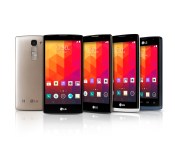
LG unwraps four smartphones ahead of Mobile World Congress

As often is the case with LG and its Mobile World Congress announcements, we’re getting an official look at things ahead of the annual conference. Today sees LG pulling back the curtain for four mid-range models, the Magna, Spirit, Leon, and Joy.
Each model has its own unique features however they do share a number of specifications in common. All, for instance, run Android 5.0 Lollipop and will be offered with 1.2GHz quad-core processors with 1GB RAM and 8GB internal storage. It’s worth noting that some carriers may offer slightly different configurations.
The four devices will be available in both LTE and 3G versions, consistent with LG’s strategy to expand its appeal in the mass-tier segment with different products for different networks. The LTE and 3G versions of each model share nearly identical design cues with metallic back covers distinguishing the LTE models while the 3G devices feature patterned plastic back covers.
According to LG, the foursome will begin shipping globally as soon as this week; however, no markets or pricing was made available. It’s not clear if we’ll see any of these in the United States but I might not be surprised to see a couple of them sprinkled across various prepaid service providers.
LG Magna Specifications:
- Display: 5.0-inch HD (294 ppi)
- Chipset: 1.2GHz or 1.3GHz Quad-Core*
- Camera: Rear 8MP / Front 5MP
- Memory: 8GB / 1GB
- Battery: 2,540mAh (removable)
- OS: Android 5.0 Lollipop
- Network: LTE Cat. 4 / HSPA+ 21Mbps
- Size: 139.7 x 69.9 x 10.2mm
LG Spirit Specifications:
- Display: 4.7-inch HD (312 ppi)
- Chipset: 1.2GHz or 1.3GHz Quad-Core*
- Camera: Rear 8MP or 5MP* / Front 1MP
- Memory: 8GB / 1GB
- Battery: 2,100mAh (removable)
- OS: Android 5.0 Lollipop
- Network: LTE Cat. 4 / HSPA+ 21Mbps
- Size: 133.3 x 66.1 x 9.9mm
LG Leon Specifications:
- Display: 4.5-inch FWVGA (220 ppi)
- Chipset: 1.2GHz or 1.3GHz Quad-Core*
- Camera: Rear 8MP or 5MP* / Front VGA
- Memory: 8GB / 1GB
- Battery: 1,900mAh (removable)
- OS: Android 5.0 Lollipop
- Network: LTE Cat. 4 / HSPA+ 21Mbps
- Size: 129.9 x 64.9 x 10.9mm
LG Joy Specifications:
- Display: 4.0-inch WVGA (233 ppi)
- Chipset: 1.2GHz Quad-Core / 1.2GHz Dual-Core*
- Camera: Rear 5MP / Front VGA
- Memory: 8GB or 4GB* / 1GB or 512MB*
- OS: Android 5.0 Lollipop / Android 4.4 KitKat
- Battery: 1,900mAh (removable)
- Network: LTE Cat. 4 / HSPA+ 21Mbps
- Size: 122.7 x 64.0 x 11.9mm
The post LG unwraps four smartphones ahead of Mobile World Congress appeared first on AndroidGuys.
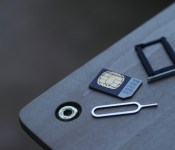
SIM card maker Gemalto assures its SIM cards are safe following NSA security breach

Just a few days ago, a report claimed that documents leaked by NSA whistleblower Edward Snowden revealed that the American NSA and the British GCHQ (Government Communications Headquarters) hacked into a major SIM card manufacturer’s systems to steal encryption keys back in 2010. But today, Dutch SIM card manufacturer Gemalto has just announced that their SIM cards are secure following the massive security breach.
As reported by The Intercept, the two security agencies stole an immeasurable amount of encryption keys from the SIM card company, which allowed them to intercept otherwise locked-down data from users including voice, text and more. To make matters worse, Gemalto is one of the biggest SIM manufacturers in the world, supplying over two billion SIM cards per year and spanning throughout all four major US carriers as well as hundreds of other mobile service providers.
In a statement released earlier today, here’s what Gemalto had to say about the hack:
Gemalto, the world leader in digital security, is devoting the necessary resources to investigate and understand the scope of such sophisticated techniques. Initial conclusions already indicate that Gemalto SIM products (as well as banking cards, passports and other products and platforms) are secure and the Company doesn’t expect to endure a significant financial prejudice.
The company will announce the results of its investigations on Wednesday, February 25th in a press release and a press conference. We’ll have to wait until then for the full results, but according to Gemalto, everything is looking secure so far.
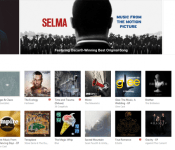
Apple’s iTunes Team Seeking Expertise in ‘Music Journalism’ Ahead of Rumored Revamp [Mac Blog]
Earlier in the month, Apple’s London-based iTunes team posted a job listing describing an “Editorial Producer” who would have past experience reporting on pop culture, with specific background in music journalism (via Music Ally). While far from definitive, the job post could be hinting at some editorial-related expansions coming to the revamped Beats/iTunes merger set to launch later in the year.
Set to be split between editorial and producing duties, the full-time job would require the applicant to write, edit, and oversee a group of various freelance writers covering content from music to books and movies. A good portion of the job will be devoted to “special projects and promotions” as well, with a focus on collaboration between other departments to make sure all of the content is successfully produced on time.

Key Qualifications
-Excellent communication, cross-departmental collaboration, and planning skills with a strict attention to detail.
-Seasoned writer with broad pop culture background.
-Deep contacts in the freelance world with writers who can cover the spectrum of pop culture (music, movies, books, etc.).
-Experience managing and motivating a stable of freelance writers.
-Experience working cross-functionally across content, business, and production teams.
-Project management experience.
Apple has been hinting at big changes coming to iTunes, with the company acquiring media analytic service Semetric, and BBC Radio host DJ Zane Lowe joining the company ahead of the big Beats Music revamp. As Music Ally points out, the new job posting could be pointing to an even bigger expansion for the service in terms of an original journalistic effort.
As it stands, Apple’s iTunes, iBooks, and App Store point users in the direction of various top-selling or most popular music, books, movies, and apps with occasionally short “iTunes Editors’ Notes” detailing new and favorite releases amongst the services. Despite the fact the new post seems to be pointing to an attempt by the company to add original content and opinions to their download service, as with any job listing, it’s far from a confirmation that this will be a direction the company takes in the future.
Though the exact timeline for the launch of the new Apple-backed Beats Music service has remained blurry, news concerning the service has remained steadily consistent since its announcement. Most recently it was reported that the Beats Music revamp would see a fairly deep integration into OS X and iOS, with users possibly even being able to merge their Apple ID with a Beats account for a more seamless experience.

Snowflake internet radio app for Mac launches in public beta

Vemedio, the developer behind the Instacast podcast app, has announced their latest app for Mac, Snowflake. Built for OS X Yosemite, Snowflake lets you stream internet radio from thousands of stations. The app is available right now as a free public beta from Vemedio’s website.
Snowflake helps you find internet radio stations easily using search or a genre list. In addition to helping you find free music, Snowflake will also auto-detect available purchase links to the tracks you listen to on both the iTunes Store and Amazon.
The app offers a number of controls for playing music. You can select multiple audio devices for Snowflake’s sound, switching them on and off from within the app. You’ll also have access to a 10-band equalizer to customize how the music sounds. There are also a number equalizer presets as well.
Snowflake is free to download and use while in public beta. However, there is currently an option to purchase a full license for the app, which will unlock control of external speakers, as well as the equalizer for $9.99 after the formal launch of the app.
Source: Vemedio
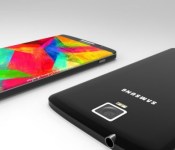
Galaxy S 6 sports new antenna tech to avoid interference from the metal chassis

Given Samsung‘s move toward a metal chassis with the Galaxy S 6, the Korean company is adding new antenna tech to the upcoming flagship to counter possible interference from the metal casing. The S6′s antenna is to be built in a manner that will avoid issues with the metal parts of the smartphone.
According to a new rumor, the company will switch from Laser Direct Structuring (LDS) to a flexible PCFB (FPCB) type that will allow the antenna to move through the internal components. Apparently this is a move that was done in light of signal issues that the A3 and A5 have experienced.
Either way, we’ll know in a few days what the new flagship has to offer when MWC 2015 is in full swing.
source: ET News
via: PhoneArena
Come comment on this article: Galaxy S 6 sports new antenna tech to avoid interference from the metal chassis

Google launches YouTube Kids app for Android
Google kicked off the week today announcing its YouTube Kids app for Android and iOS devices. Available immediately, it’s the first “built from the ground up with little ones in mind.” As you might expect, the app provides access to YouTube in a manner that lets parents sleep easier at night.
Broken into four categories (Shows, Music, Learning and Explore), it’s the same great content that’s already available, but without all the noise. On top of the preset modifications, YouTube Kids give parents control over a number of additional aspects.
- Timer: Let the app be the bad guy with a built-in timer that lets you limit kids’ screen time. The app alerts your child when the session is over, so you don’t have to. (You’re welcome.
 )
) - Sound settings: Sometimes you need a little peace and quiet! You have an option to turn off background music and sound effects, so your kids can keep watching while you catch a breather.
- Search settings: If you’d rather limit your children to just the pre-selected videos available on the home screen, you can turn off search.
- Product feedback: Our goal is to improve YouTube Kids all the time, so we’ve included a space for you to give us your feedback.
Along with favorites from DreamWorks TV, Jim Henson TV, Mother Goose Club, Talking Tom and Friends and more, your kids can watch new series from YouTube channels they already like. Discover new facts about dinosaurs from National Geographic Kids; learn about technology from Reading Rainbow; or watch Thomas the Tank Engine leave the world of Sodor for the first time in 70 years to travel the globe. Plus, more new videos are coming soon from beloved YouTubers like the Vlogbrothers and Stampylonghead.
The post Google launches YouTube Kids app for Android appeared first on AndroidGuys.
Toyota won’t have CarPlay-equipped vehicles anytime soon

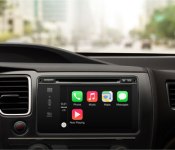
If you’re hoping to get a Toyota car with Apple’s CarPlay system built-in, you’ll have to hit the aftermarket, according to a New York Times report. Toyota said that “right now, we prefer to use our in-house proprietary platforms for those kinds of functions,” adding that it currently has no plans to use either CarPlay or Android Auto, at least in the US. Though that’s a small glitch in Cupertino’s ambitious plans, other automakers are more bullish on it. Ford, for one, said that it’ll start offering both Apple and Google’s infotainment systems on select vehicles this year, and will make both systems available on all US cars by next year.
For now, Toyota will be sticking with its vanilla Entune systems, which have some interoperability with Android and iOS via an app. Of course, Apple has many other CarPlay partners, even though Toyota is one of the biggest. GM said it’ll install the system in its next-gen Volt, and Volkswagon will offer the choice of MirrorLink, Android Auto and CarPlay by the end of this year. In fact, most carmakers are device agnostic, with large players like Ford, GM and Honda in both camps — a wise move, given that smartphone owners can be just as opinionated as car owners. To see which carmakers are in which camp, see the chart below (based on info from Apple and Google).
| Automaker | Android Auto | Apple CarPlay |
| Alfa Romeo | ✓ | ✓ |
| Audi | ✓ | ✓ |
| Bentley | ✓ | |
| BMW | ✓ | |
| Chrysler, Dodge, Jeep, RAM | ✓ | ✓ |
| Citroen | ✓ | |
| Ferrari | ✓ | |
| Fiat | ✓ | ✓ |
| Ford | ✓ | ✓ |
| Honda | ✓ | ✓ |
| GM | ✓ | ✓ |
| Hyundai | ✓ | ✓ |
| Infinity | ✓ | |
| Jaguar | ✓ | |
| Kia | ✓ | ✓ |
| Land Rover | ✓ | |
| Maserati | ✓ | |
| Mazda | ✓ | ✓ |
| Mercedes-Benz | ✓ | |
| Mitsubishi | ✓ | ✓ |
| Nissan | ✓ | ✓ |
| Opel | ✓ | ✓ |
| Peugeot | ✓ | |
| Renault | ✓ | ✓ |
| Seat | ✓ | |
| Skoda | ✓ | |
| Subaru | ✓ | ✓ |
| Suzuki | ✓ | ✓ |
| Toyota | ✓ | |
| Volkswagon | ✓ | ✓ |
| Volvo | ✓ | ✓ |
Filed under: Transportation, Apple
Via: Apple Insider
Source: New York Times
 AIVAnet