


From the Ground to the Gas Pump
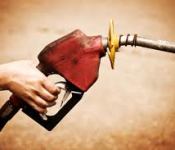

In just one year, the U.S. harvested 4.9 million barrels of oil – per day – and imported 9.8 million barrels per day. [Source: U.S. Energy Information Administration] This rough stuff, known as crude oil, is turned into consumer-grade products: petroleum, kerosene, cooking or heating oil and other consumables. As consumer demand grows, companies strive to keep up by finding new sources and improving the output of existing ones.
Many celluloid images have immortalized the image of the “gusher” – a substantial fossil fuel that has just been discovered. In real life, oil production is a bit more scientific, and in this blog, we’ll look at the mechanics behind the stuff we generically known as oil.
Geologists work to locate the proper conditions for an oil tap: source rock, reservoir rock and entrapment. Previously this was done by interpreting surface features, surface rock, and soil types, and/or taking small core samples. Today, oil geologists examine surface rocks and terrain, using satellite images. Sensitive gravity meters, magnetometers (that can detect the smell of hydrocarbons, and seismology, are among the tools in an oil geologist’s toolkit.
Oil Drilling Basics
A boundaries survey and environmental impact study, if necessary, is the first step. This is followed by clearing the land, identifying a source of water, and digging a reserve pit. Holes are drilled to make space for the rig and main hole.
Oil rig systems are comprised of: power systems, mechanical systems, rotating equipment, casing, circulation systems, a derrick, and a blowout preventer. Oil drilling consists of: setting up the rig, drilling down to a pre-set depth, running and cementing the casing. From here, after an extensive testing process, and final depth has been reached, the well is completed, thus allowing oil to flow into the well in the well is now ready for extraction.
Currently, the U.S. Department of Energy (along with the oil industry) is developing new ways to drill oil, such as horizontal drilling techniques, which could enable oil to be reached in ecologically-sensitive areas.
The equipment used: coiled tubing units, wireline units, work-over rigs, and pumping units can become fouled over time proper maintenance requires routine cleaning to ensure proper operation and prevent maintenance issues. There are drawbacks to using caustic cleaners and solvents. Plant-based solutions that are environmentally sustainable and safe are currently available.
About the author
Blain Johnson has been studying the oil & gas industry for many years and seek to find an environmentally-friendly solution to extracting crude oil. To learn more about the author, feel free to connect with him on Google+. Source used for this article can be found athttp://www.ebgreensolutions.com/applications/oil-fuel-spill-remediation.

