


Balancing Cost And Quality When Buying Computer Equipment
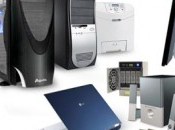

When buying any technology item, from a cell phone to a music player to a computer, there’s a great way to save money: Don’t buy the latest gadget. Wait six months. For example, Apple has been releasing a new iPhone every year since 2007. If you are willing to wait then you can get the latest model or buy one or two technological generations behind. Unless you have money to waste, your phone will be outdated after six months when a new model will come out. Furthermore, the item is marked up when it’s the hottest, newest of its kind on the market. Why not save the money and invest in the company’s marketing costs and buy used items half the price, if not less, just months down the road? In fact, a technological item like a computer need not even be new to be of value.
PC Magazine weighs in
This December 2010 article from PC Magazine expands on the benefits of buying a computer used:
“When it comes to technology products like desktop and laptop PCs—even printers, phones, and more—unless they are beyond repair, the chances are that what you send back will ultimately end up going back on the shelves. And, it’s likely you’ll see it at a much better price.”
As the article notes, one of the benefits of buying a used computer is that it will almost certainly come refurbished. (Something is wrong, in fact, if the computer doesn’t arrive in this condition.) Having a computer refurbished means that any problems that led to its return will be fixed before it’s sold. The computer’s hard drive will also be wiped clean. It’s like buying a computer good as new. Most retailers offer this option to customers who want to save a few bucks and the companies will ensure the product is fully functional before selling it. Car dealers oftern do the same thing. Most car dealerships offer pre-owned and certified cars that have been driven less than five years and passed all tests before selling it to the public.
To be sure, the article recommends buying a refurbished computer either directly from a manufacturer or from a major retailer. The PC Magazine article notes how it can be riskier to buy from a private owner, seeing in part as they are less likely to provide a warranty with a purchase, a must for buying a used computer. That way, if anything goes wrong with the computer, most likely to happen right away if it does, as the article notes, the cost to fix will be included.
Buying used in bulk through auctions
If comfortable with the risks involved with buying refurbished equipment, even greater savings can be enjoyed on bulk purchases by seeking out liquidation auctions featuring electronics and computer equipment (Source: http://www.hgpauction.com/used-computers/). Often times when an enterprise-level organization closes a branch location or large office space, they will contract 3rd party asset auction firm to sell of the furnishings and equipment rather than trying to store and re-locate everything. The types of auctions are great opportunities for buyers looking to purchase a large quantity of desktop or laptop computers.
By purchasing computer equipment used, there is an opportunity to achieve tremendous cost savings. However, to again draw from the comparison of buying a pre-owned vehicle, it is always best to have an IT professional inspect the equipment to ensure that the hardware and components are still in working condition, just as a mechanic would inspect a car’s engine to ensure its functionality. Whether buying a single piece of equipment or making a bulk purchase, the time invested into seeking out used equipment and inspecting its condition can significantly extend your buying power.
Lillian Dawn is a freelance business writer and is relentless in her pursuit of finding value when purchasing computer equipment, cars, jewelry, and really any large items. Feel free to connect with her on Google+.
 AIVAnet