NASA to study how higher temps affect the Earth’s ability to absorb CO2

Our atmosphere’s carbon dioxide levels are through the roof — it’s the highest it’s ever been at 400 parts per million within the past 400,000 years. The situation would have been much, much worse, however, if it weren’t for the Earth’s forests and oceans. All the plants, trees, the ocean’s salt water, marine plants and animals absorb 50 percent of our carbon dioxide emissions. That’s why NASA has launched a multi-year project to figure out how exactly our planet absorbs carbon dioxide, as well as to determine whether Earth’s continuously warming environment can affect its absorption rate.
Via: The Verge
Source: NASA
Researchers bring us one step closer to the ‘ultimate battery’

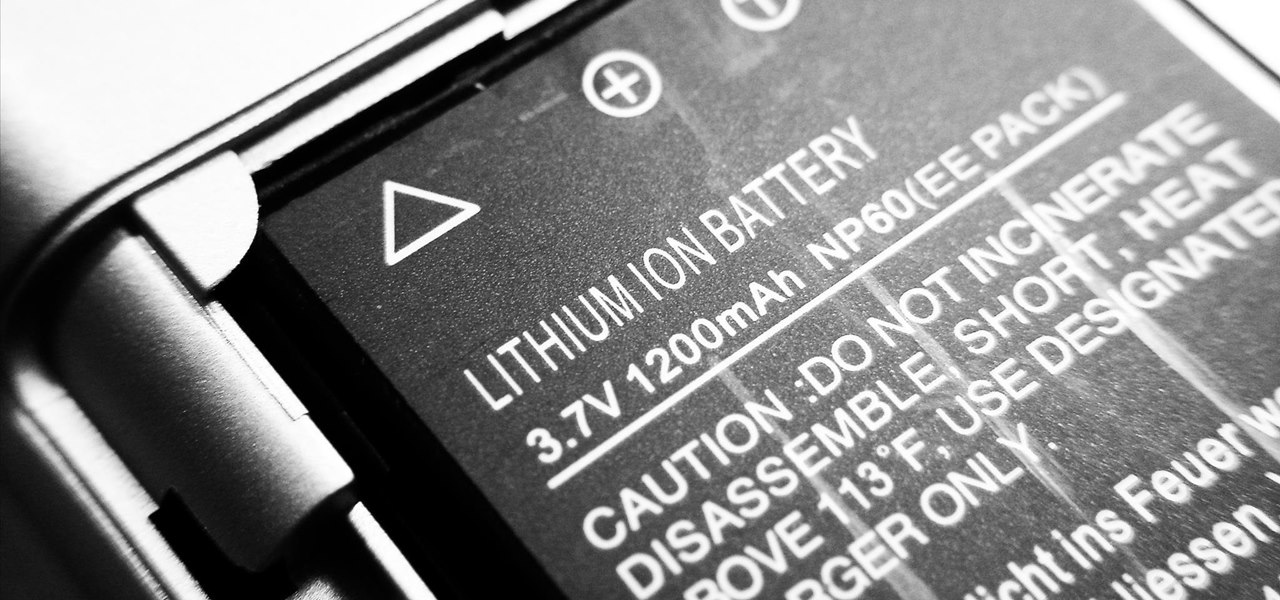
A research breakthrough in lithium-oxygen battery development could now make the ‘ultimate battery’ a possibility, as a number of barriers to development appear to have been overcome.
Lithium-oxygen (Li-air) has been hailed as the base for the ‘ultimate battery’ due to its energy density benefits over current lithium-ion cells. Lithium-oxygen can offer ten times the theoretical energy density of current batteries, which would enable smaller, cheaper and longer lasting cells for gadgets or battery powered vehicles. The huge potential benefits with Li-air had been thought to be out of reach, but researchers appear to be getting closer to a viable solution.

Source: IDTechEX
Researchers from the University of Cambridge have demonstrated a new lithium-oxygen cell that is 90 percent more efficient and more stable than previous attempts, and can be recharged more than 2000 times. However, as with all these emerging battery technologies, there are a number of obstacles to overcome before we see anything close to a viable product.
As we are probably all too aware, battery technology has failed to keep pace with processors and other energy sapping components found in our gadgets, resulting in decreased use time. So we could use an alternative. Post-lithium batteries are also seen as important in the growing automotive and green energy storage industries, where large and therefore more expensive lithium-ion batteries are seeing increased demand. If lithium demand from these sectors grows as expected, a strain on supply could make existing battery technology more expensive, leading to a drive for alternatives.
Lithium-air batteries have become popular in research fields over the past decade, catching up with the likes of Sodium or Li-Sulphur. Other promising areas of research include Silicon Anode technologies, Lithium Capacitors and Solid-State batteries, but there are still compromises and technical issues left to overcome.

Ten times the battery capacity would be a major boost for smartphones, but would also be beneficial for the electric vehicle and green energy storage industries.
The difference between a lithium-oxygen and lithium-ion battery lies in the battery’s electrode. Rather than graphite, the researchers have developed their electrode using graphene, which you have probably heard talked about a lot before. The graphene is highly porous and is combined with lithium iodide to lower the voltage gap between charge and discharge to just 0.2 volts, making the battery more efficiency than previous implementations, which had a gap anywhere between 0.5 and 1 volt.
“While there are still plenty of fundamental studies that remain to be done, to iron out some of the mechanistic details, the current results are extremely exciting – we are still very much at the development stage, but we’ve shown that there are solutions to some of the tough problems associated with this technology,” – Professor Clare Grey of Cambridge’s Department of Chemistry
However, like some previous enhanced capacity battery research that we have seen, there’s a problem with lithium metal fibres, known as dendrites, which can form on the metal electrode, eventually leading to a short-circuit within the battery and possible explosions! The researchers are yet to find a way to protect the metal electrode from the dioxide, nitrogen and moisture in the air around the battery.
Unfortunately, this means that the team expects that we are still at least a decade away from seeing a truly practical design, but at least the technology now seems feasible. Unfortunately, our smartphones won’t be lasting all week on a single charge just yet.
Google Sheets for Android updated with the facility to leave real-time comments

Google has started rolling out an update for its official Sheets application for Android. In terms of added functionality, this upgrade brings users the facility to leave real-time comments on spreadsheets, create charts from smartphones and access more than 400 new fonts.
To install the update on your Android-powered smartphone or tablet, simply open up the Play Store, toggle the hamburger menu by swiping in from the left-hand side of the screen, select ‘My Apps’ and click on ‘ GoogleSheets’, then hit the update button. Alternatively, you can hit the link below to initiate the download on your smartphone from the Web.
Come comment on this article: Google Sheets for Android updated with the facility to leave real-time comments
PSA: You can now pick up a replacement ZenWatch 2 charger from the Google Store

If you own an ASUS ZenWatch 2 and would like to add an extra charger to your collection, you’ll be pleased to hear that Google is now stocking the cable on its online Store. The wire will set you back $15 and comes with complimentary 3-5 day shipping.
Unlike the USB Type-C cables that Google stock, the ZenWatch 2’s 3-pin connector has a wall adapter included in the packaging; meaning you don’t have to fork out an additional $5.99 to get your hands on one.
To find out more about bagging yourself one, hit the source link below.
Source: Google Store
Come comment on this article: PSA: You can now pick up a replacement ZenWatch 2 charger from the Google Store
Microsoft OneNote gets instant access on Android, 3D Touch on iOS

Microsoft has released quite a number of major OneNote updates for Android, iOS, Windows and the web. If you’re an Android user, you’ll be able to quickly write down thoughts or copy-paste text even if you have another app open, thanks to the new OneNote badge. It can live anywhere on the screen, and you simply have to tap it to open it up. The company’s doing staged roll outs, though, so you might have to wait for two to three weeks to get the feature. If you have an iPhone 6s or 6s Plus, you’ll get 3D Touch support instead. When you press on the app icon, a menu will pop up allowing you to quickly create a new note or view recent ones. In addition, OneNote’s interface has been optimized for the iPad Pro’s larger screen.
Source: Microsoft Office Blog
ICYMI: Mobile music making, skateboard stroller and more

Today on In Case You Missed It: The iMaschine 2 app uses Apple’s 3D Touch to record the difference in how hard you tap to make beats, a big upgrade since our wasted days using Simon. Construction on the Giant Magellan Telescope in Chile is finally going to begin, three years after the country first blew up a mountain peak where it will be located. The U.S. and other countries have jointly pledged $500 million towards its construction so we’re eager for that to be finished. And the Quinny longboard stroller is a skateboard prototype that aims to ‘re-imagine the future of baby transport,’ aka terrify grandmothers everywhere.
Gogo’s next generation in-flight WiFI launches next year

Gogo’s new 2Ku in-flight WiFi might not be as fast as your home internet connection, but it gets the job done — and a lot faster than current in-flight connectivity. But how much will it cost? When will consumers get to use it? And of course, just how secure is the satellite internet service? For the answers to those questions and more, I sat down at a brief roundtable interview with CEO Michael Small and Vice President of Product Management Blane Boynton at the company’s Chicago headquarters.
Follow these 5 basic rules and get perfect pictures everytime with your smartphone
There are few things that top a great photo. A photo can capture a moment in time and help you remember some of the best times in your life. From the moment your son or daughter being born to your first adopted kitten, photos are a great way to capture a moment in time for an everlasting memory.
We all take pictures. Some of us take more than others and some just take way too many.
Regardless, we have assembled five basic tips for instantly improving your photography skills using your mobile phone.
1. Clean your lens
Before mobile smartphones, there were cameras that required something that was called film. “Photographic film is a strip or sheet of transparent plastic film base coated on one side with a gelatin emulsion containing microscopically small light-sensitive silver halide crystals,” from Wikipedia. Film was limited and cost actual money. We couldn’t take 30 pictures of the same thing to try and get the best shot. That meant everything had to be perfect for each shot.

One basic rule, back when film was in use, was keeping your lens clean. Nothing ruins a shot like a fingerprint or a grease smudge. Smartphones sadly do not have lens covers, and are exposed to our grimy hands throughout the day. If you have an eyeglass cleaning cloth handy, use that to wipe your lens clean. You can even use the disposal eyeglass cleaning wipes, which have a cleaning solution, that breaks down grease and dirt and instantly cleans your lens. As a last resort, use your shirt or something soft to wipe it down. Just make sure you give yourself the best chance possible by cleaning your lens.

2. Learn to use light
The more light that is on your subject, the better your image will come out. Shots in full sunlight during the daytime usually have the best exposure and will result in the best pictures. So try to use that lesson when you are indoors.
Lighting can also be used to make your photo a little more “artsy” if you look for it. Whether it be in a misty sunrise with light reflecting off the morning fog, or a sun setting in the cloudy sky learn to see how light behaves in different situations.

Open your windows during the day or turn on all of the lights in your room. More light equals better pictures. It’s why us phone reviewers are so concerned with low-light capabilities, because some phones just can’t take great shots at night. And pictures at night are just as important as those in the daytime.

Standard lighting in my living room.

Lighting in a photo tent.
If you’re trying to sell an object on ebay.com, consider getting a portable photo tent from Amazon.com with external lights.
Whatever you do, try to get as much light as possible on your subject before you take the picture. This basic rule will help improve your photography skills immensely.

3. Learn how to use your camera software
There are various camera apps available on Android and many of them have different features. The camera app on LG phones is one of the more advanced apps you can get with a camera, so learning its features will help tremendously. You can control settings such as ISO, white balance, exposure and even the basics like image size.

For Samsung Galaxy devices, they not only have similar built-in manual features, but they also offer software enhancements like filters and panorama modes. Panoramic pictures can be breathtaking and many people don’t even know their phone has software to help them get these shots. So play with the settings and modes within your phone’s software so you’re better educated on how to use your camera.

You can download Google’s Camera app here if your software is too complicated.
4. Stay Still
Yeah this is a basic tip. But the more you move the higher your chances of getting a blurry shot.
If there is a stationary object nearby like a tree or wall, lean against it and hold your camera tight to the wall to hold it steady. Or if you’re taking a picture of food, try setting the bottom of your phone down on a upside down coffee cup and leaning the lens over the food before you take that shot. You can try breathing slowly before you click the camera shutter button to slow your jitters.
This is even more important in low-light situations where your camera will automatically select a slower shutter speed to compensate to allow in more light. Slower shutter speed increases your chances at a blurry photo, so remember in low-light shots to stay as still as possible. It’s why professional photographers use tripods, and the basic technique of leaning against a stationary object will help improve your shots immensely.
5. Take lots of pictures
Don’t be afraid to take multiple shots. Cameras are so quick these days you can literally snap 15 photos in a matter of seconds. Pile on the pictures and sort through them later. Don’t be afraid to take more than one picture since we are only limited by the memory in our phones. The days of film are gone when you had one chance to get it right. If you don’t like a picture, you can always delete it later to free up space.
With Google Photos offering free and unlimited cloud storage, you can even keep those “bad” photos if you prefer. Try to save your pictures until you can view them on a computer monitor or tablet before you delete them as having a bigger display will give you a better view of your image. You can always crop a portion of your picture that you like and delete the rest.
Just don’t be afraid to take multiple shots. Sometimes numbers improves your luck at getting the perfect shot.
Summary
Keep your lens clean, get as much light as you can on your subject, learn your camera’s software, stay still and take multiple shots. These are five basic rules any person who takes pictures should keep in mind in order to get the best shot possible. If you want to learn more about unlimited storage and how to use Google Photos click here. I hope these basic tips help you on your next shot.
The post Follow these 5 basic rules and get perfect pictures everytime with your smartphone appeared first on AndroidGuys.
Samsung to sell LCD factory as it focuses on OLED

OLED display technology has become increasingly popular in mobile devices and Samsung looks poised to ramp up further production at the expense of one of its LCD units.
According to reports from Korea, Samsung has halted operation of its L5 LCD production facility and is looking to sell off its idle equipment, which is expected to generate revenue in the tens of billions of won. This isn’t the first LCD production line that Samsung has sold off. Last year the company closed its Cheonan line and sold it to China’s Truly. It is rumored that Samsung will switch production at the L5 facility over to OLED, potentially enabling the company to pump out additional AMOLED displays for mobile devices.
Demand for mobile OLED display panels seems to be increasing, with other smartphone manufacturers looking to place orders for next generation products. Samsung is said to have struck a supply deal with Huawei and even Apple is rumored to be looking at purchasing AMOLED panels from Samsung. Apparently, the deal may have an exclusive production clause to ensure supply, which could be where the L5 facility comes in.
 Read on: AMOLED vs LCD: differences explained
Display rival LG has been switching its focus to additional OLED production this year and invested almost one billion USD into a new flexible OLED production line for foldable displays. Xiaomi is said to have decided to use LG AMOLED panels for some of its next generation products as well.
Although not everyone may be convinced that OLED is a superior alternative to LCD, it looks like we will see a lot more OLED devices on the market in 2016 and beyond.
Google Play Books updated with better comics support, free issues up for grabs

Google has just announced new update for Google Play Books today, which is designed specifically to improve the reading experience of your favourite comics on your smartphone or tablet.
The update is particularly focused on improving navigation, both for comics and its store front, introducing a new vertical scrolling feature for landscape comics. Just flip your phone on its side and you can swipe through the panels. The Play Store section has also undergone a redesign to better organze series’ by volumes, issues and other editions. This should help make finding a your specific issue a much easier task. Personalized recommendations have also now made an appearance.

Google says that the update should begin rolling out to Android users in the US, Canada, Australia, the UK, India, Singapore, Ireland, New Zealand and South Africa within the next few days.
To celebrate the update, Google is also giving away a number of digital issues for free, just for a limited time. There are a total of 44 freebies up for grabs, including a selection of #1 issues from series’ like Batman, Spawn, and The Walking Dead. Google also says that we should check back in for additional deals every Thursday. Click the button below to check out the range.
 AIVAnet