


OPPO R9s review
Buy now from OPPOMART
OPPO may not have the same level of brand recognition in the West as Huawei or ZTE, but they’ve long dominated the Chinese market. That should come as no surprise too, given their track record of launching impressive smartphones like the R7, N3, and Find 7.
Related Articles
Best unlocked Android phones (March 2017)
2 weeks ago
Best cheap Android phones (February 2017)
3 weeks ago
It’s quite evident that OPPO is hoping to continue their successful trend with the comfortably mid-range OPPO R9s, a follow-up to last year’s R9. The question is, should you consider the OPPO R9s over similarly priced options like the ZTE Axon 7, the Honor 8, or the OnePlus 3T? Now is the time to take a closer look with our OPPO R9s review!
Design
It that really an Android? It looks a lot like an iPhone!
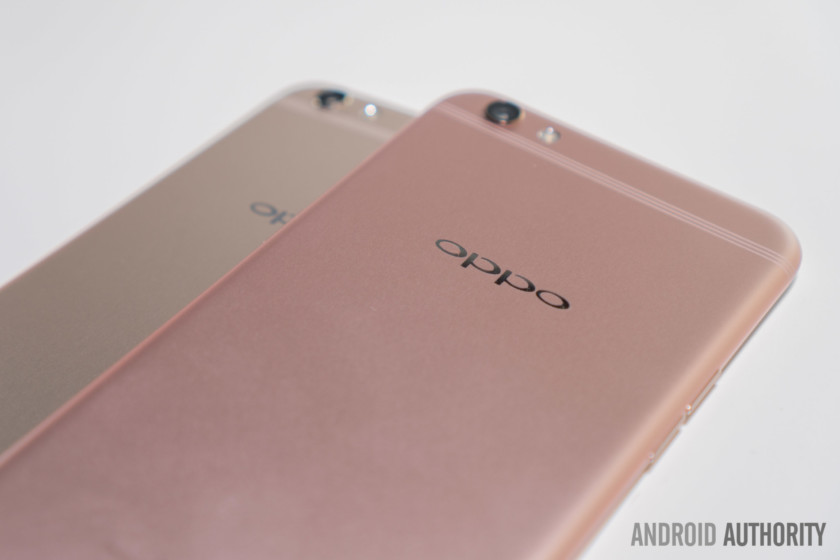
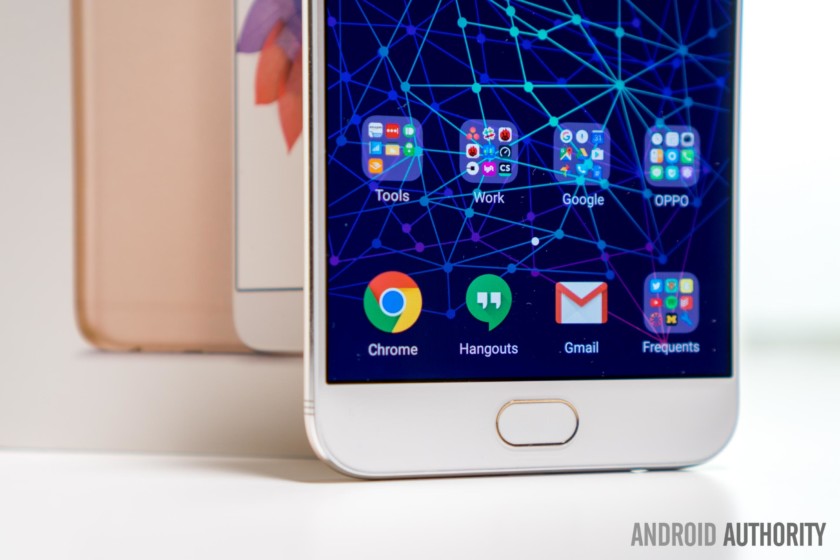
During my time with the R9s, I was frequently asked questions along the lines of “It that really an Android? It looks a lot like an iPhone!” Perhaps I shouldn’t criticize the phone identification skills (or lack thereof) of others in this case. The R9s does look a lot like the iPhone, from its identically-shaped body to its unmistakably similar speaker grill.
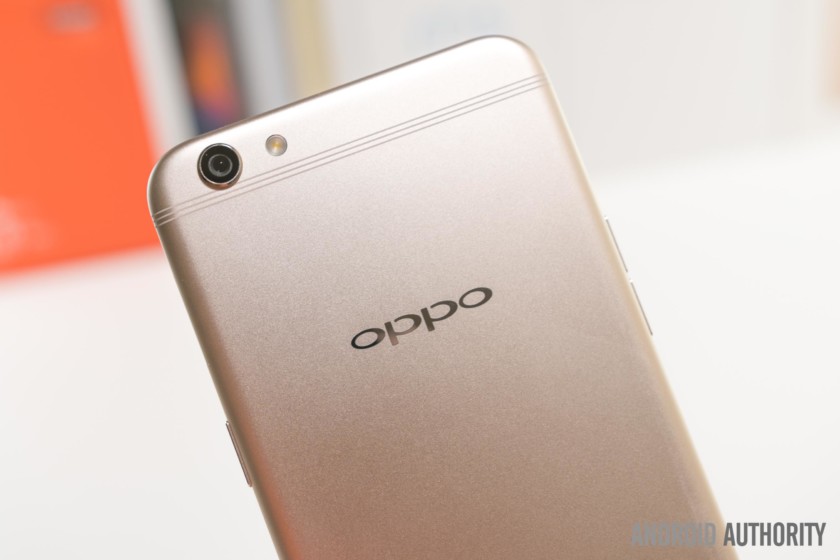
There’s also an iPhone-esque silver ring around the home button, and, yes, to truly take inspiration from Apple means to also include the notorious rear camera bump. Don’t fret too much, though, as that bump is only mildly annoying when tapping the top left part of the display on hard flat surfaces.
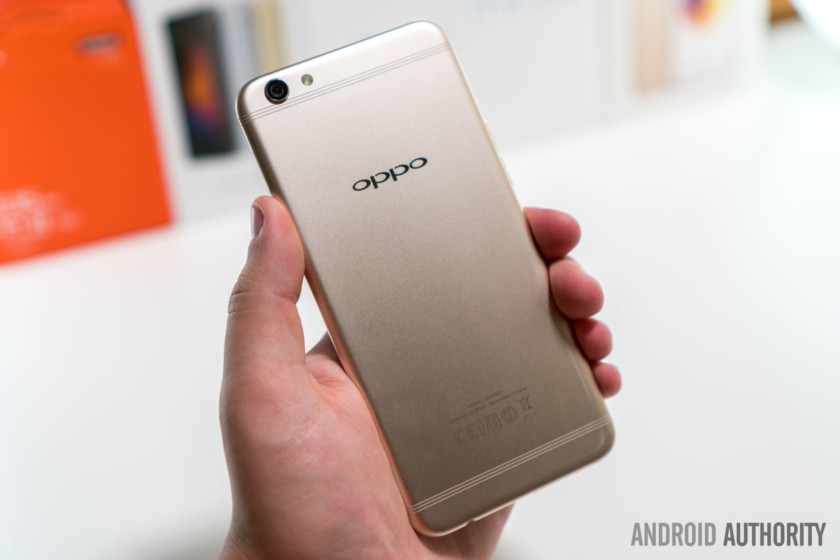
Oddly enough, the antenna lines on this model are a notable departure from the preceding R9’s solid lines. OPPO’s intention here may have been to distance themselves from Apple. In any case, OPPO isn’t fooling anyone with their design tactics.
In any case, OPPO isn’t fooling anyone with their design tactics
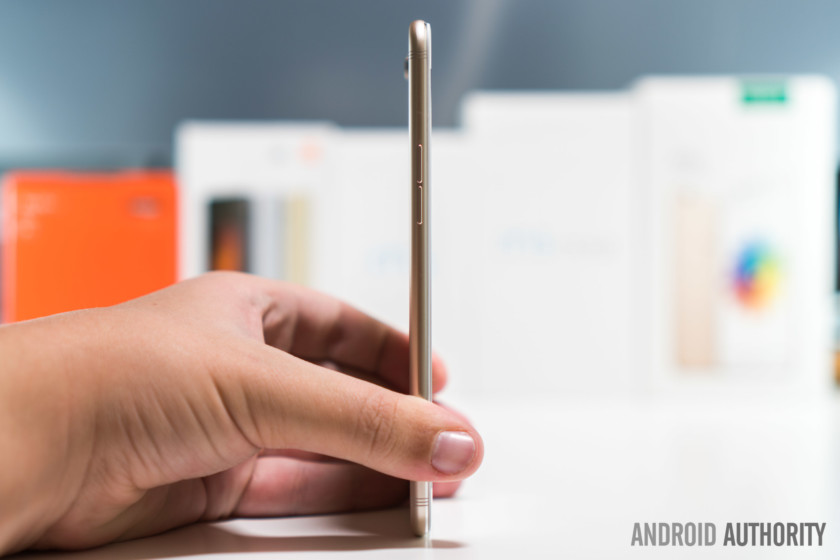
Joking aside, the R9s’ design is indeed quite nice despite its derivative nature. It’s remarkably thin and light at 6.6mm and 145g, both of which measures undercut comparable iPhone models.
The R9s’ build quality is where this design truly shines. The all-metal body is well tried-and-tested to say the least, as it offers both a premium look and premium in-hand feel. This is becoming increasingly important for mid-range devices like the OPPO R9s, as consumers demand even more for their money.
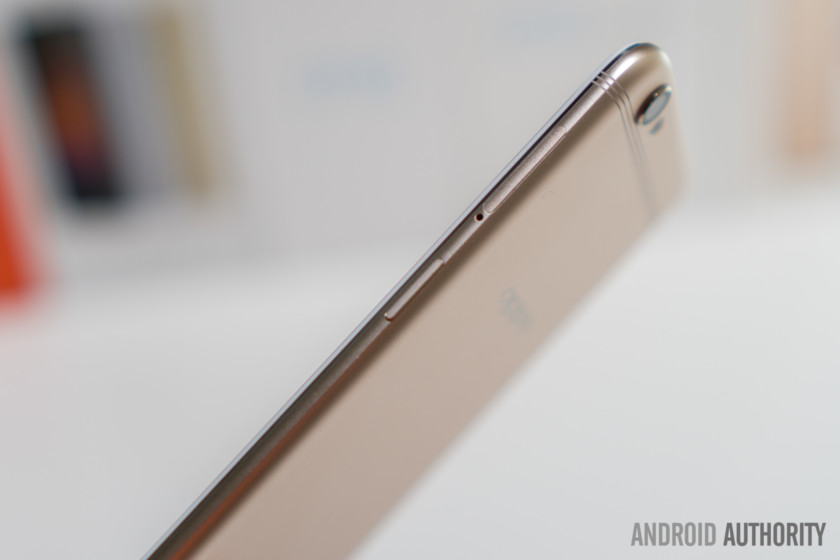
Thankfully, the small touches appear to have received the same high level of attention. The sides buttons are nice and tactile. The chamfers are clean. The home button doesn’t wiggle. Small details like these are sometimes overlooked but are perhaps just as important, so OPPO’s level of focus here is great to see.
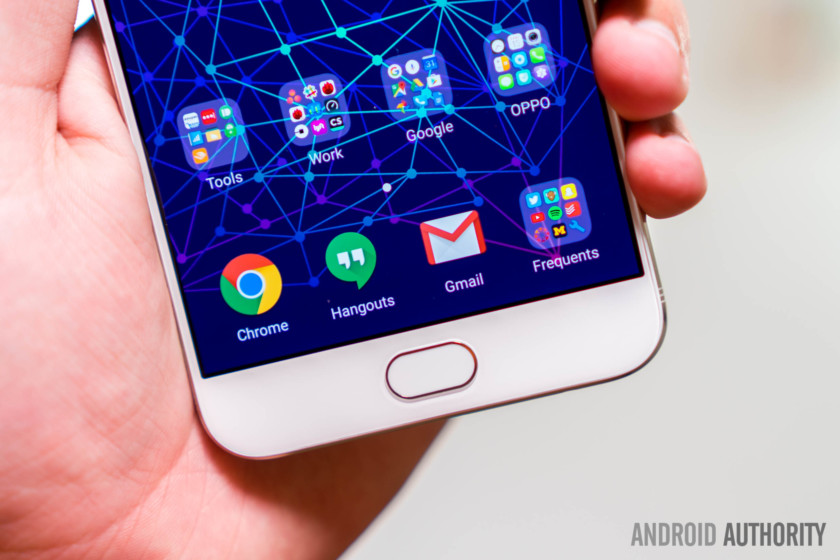
Since the R9s’ capacitive home button includes an embedded fingerprint reader, you can simply touch the button to unlock the phone or authorize certain apps or purchases. It seems that the R9s is using the same reader as the OnePlus 3T, given that both OPPO and OnePlus are owned by parent company BBK Electronics.
See also:
OnePlus 3T review
January 31, 2017
The R9s’ fingerprint reader is really fast
Regardless, the R9s’ fingerprint reader is really fast while maintaining a high level of accuracy. This is one of the best experiences available to date, which is especially impressive when considering the R9s’ price.
To the sides of the home button are two illuminated keys: multitask and back, respectively. The illumination could be a tad brighter, but certainly does the job in most situations. Although the layout is the opposite of the back-home-multitask standard layout, some prefer having the back button on the right side, including myself.
Display
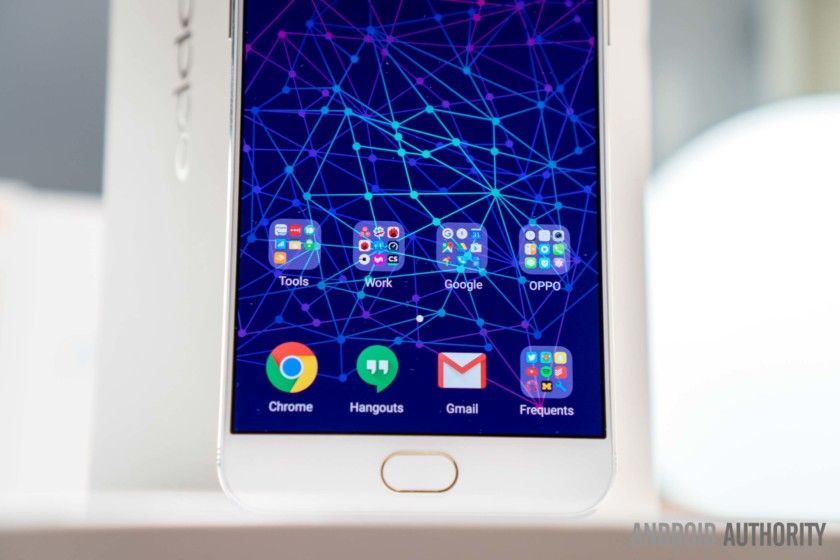
Thankfully, excellent displays have become the norm for anything priced more than about $300. And, for the most part, the OPPO R9s’ display lives up to my expectations. This model’s screen is sized at 5.5-inches, although if you’re looking for something slightly larger, the 6.0-inch OPPO R9s Plus might be worth considering.
The display size translates to an average handling experience, helped marginally by the remarkably small side bezels. Those bezels are quite stylish too, although it’s worth mentioning that the black border around the display does detract some of that beauty.
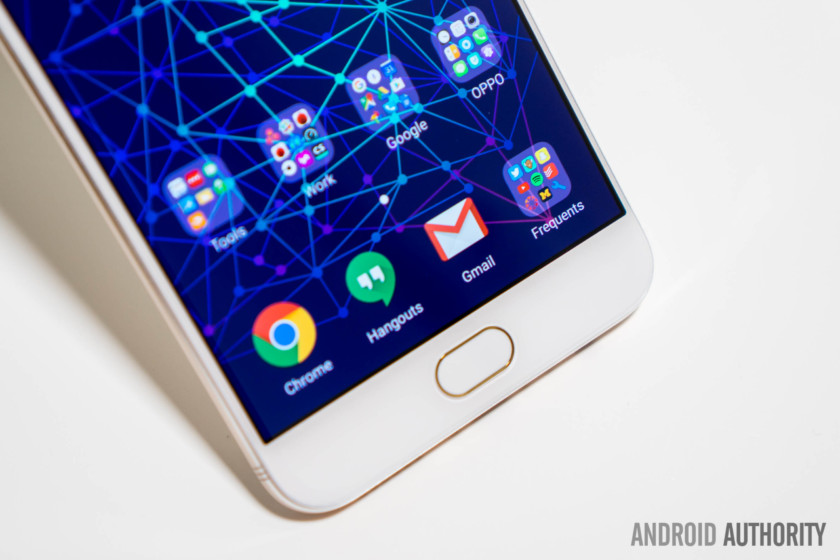
Colors appear very punchy and oversaturated
Since it is an AMOLED panel, colors appear very punchy and oversaturated. Many people prefer this look, however, as it makes everything look quite vibrant. There’s also a bundled “eye protection mode” accessible from either the quick toggles or the settings, which adjusts the color temperature to be warmer or more yellow.
This thereby reduces the amount of blue light, which is said to be bad before bedtime. While I’m unaware of substantial research that concludes that this actually improves sleep, it certainly seems that it couldn’t hurt.
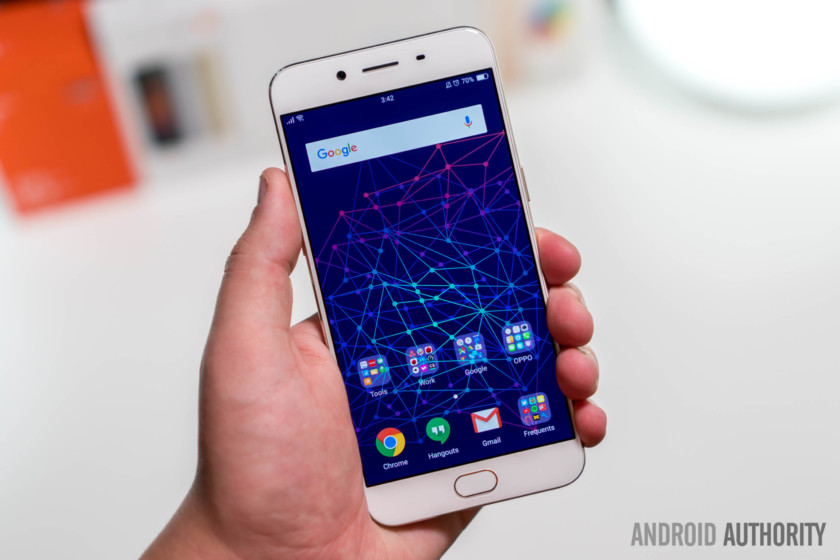
The display’s brightness level range is about what I expected. It’s low enough for darker environments, and high enough for some outdoor environments. If it’s blue skies and sunny though, you might have some trouble reading the display. For reference, it’s brighter than the Axon 7’s display, but falls short of the OnePlus 3T’s display.
Also read: ZTE Axon 7 review
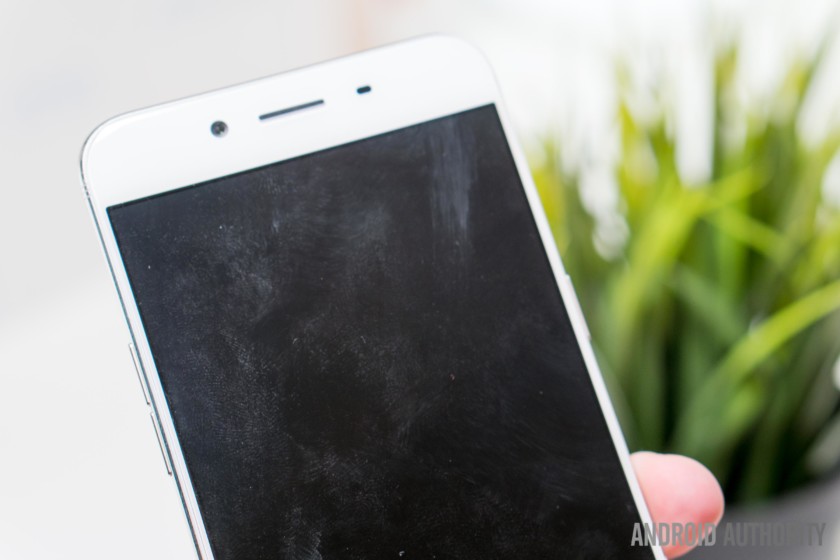
OPPO has implemented Corning Gorilla Glass 5, which provides protection against both scratches and drops. Sadly, I found the display to scratch surprisingly easily.
See also:
Corning Gorilla Glass labs tour: Shattering glass for perfection
February 1, 2017
The display coating is dangerously close to being a deal-breaker
I also noticed a very strange display coating on both of my review units, which makes the glass an absolute fingerprint magnet. This is the worst display for fingerprints that I’ve used in recent memory, as smudges linger even after cleaning. While this will surely annoy people to varying degrees, I personally find this to be dangerously close to being a deal-breaker.
Performance

With the R9s, OPPO has made a switch from the Mediatek Helio P10 to the Qualcomm Snapdragon 625. Although I never had the chance to use the R9 specifically, I have used several smartphones with the Helio P10. Based on my experiences with both chips, I think this is a small but certainly welcomed upgrade. There’s also 4GB of RAM, so you should have no trouble with moderate to heavy multitasking.

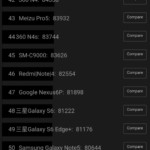
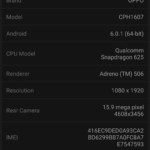

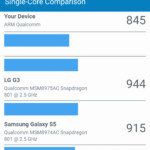
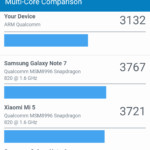
Day-to-day performance is good, but not great. During my time with R9s, I didn’t really take issue with its minor sluggishness, but I definitely understand that some may be looking for something a bit snappier. The Snapdragon 625 is a firmly mid-range chip, so it’s expectedly not as impressive as the high-end Snapdragon 820 and Snapdragon 821 in both day-to-day performance and benchmark scores.
If you’re doing enough research to be reading this review, chances are that you’ll see this as a considerable drawback
Since the ZTE Axon 7 and the OnePlus 3T ship with the 820 and 821, however, this puts the R9s behind of the pack in the performance category. It’s a somewhat minor difference, but if you’re doing enough research to be reading this review, chances are that you’ll see this as a considerable drawback.
Hardware
Good news for travelers or anyone wishing to use multiple phone numbers: similar to many options coming out of China, the OPPO R9s is an unlocked dual-SIM smartphone. If you don’t plan on taking advantage of this feature, you can instead use the extra slot for a microSD card, up to 256 GB. The R9s does include 64GB of storage out of the box though, so you may end up not having to worry about storage at all.
GSM: 850/900/1800/1900MHz
WCDMA: 850/900/1900/2100MHz
TD-LTE: Band 38/39/40/41
FDD-LTE: Band 1/3/5/7/8/20/28
Unfortunately for many of our readers, the OPPO R9s has limited 4G LTE support. In the United States, for example, you’ll be stuck with 3G on both AT&T and T-Mobile (and their MVNOs), which is possibly this phone’s biggest drawback for Western users as the R9s’ primary competitors all include support for US 4G LTE.
It is important to keep in mind, though, that this phone will work wherever it is officially sold. The United States sadly just isn’t one of those markets.
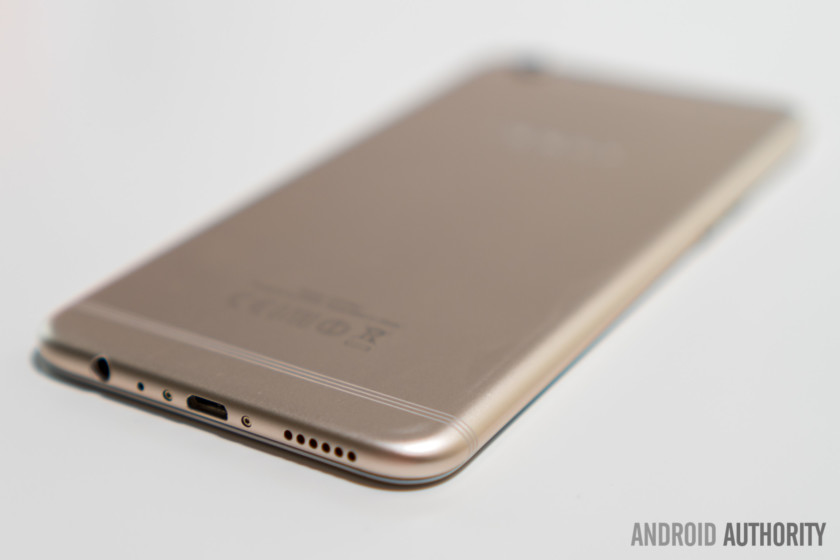
The side-firing speaker on the OPPO R9s is reminiscent of the OnePlus 3T’s. The sound is about the same, but the audio quality does seem ever so slightly better here. It’s not nearly as good as the ZTE Axon 7’s dual stereo front-facing speaker setup, but it gets the job done.
Fortunately, OPPO has included a 3.5mm headphone jack, so you won’t be needing to transition to that dongle life with this device. There’s also a neat equalizer included, dubbed Real HD sound. OPPO states that this feature was developed in cooperation with Dirac Research AB, “the world’s leading audio technology company.”
There are several profiles to switch between based on the genre of music you’re playing, but it would be even cooler if it included and switched to a video profile automatically. Currently, you have to dig fairly deep into the settings to turn it off, so if you’re like me and you’re switching between Spotify and YouTube frequently, you might be tempted to just turn it off completely as it does not sound very well when listening to normal speaking voices.
There’s also a strange YouTube audio sync issue
There’s also a strange YouTube audio sync issue, which affects both headphone and speaker output. It could be worse, but constantly having audio delayed by even a split second might just drive you crazy.
Battery life

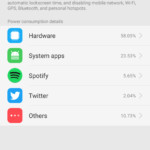
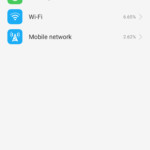

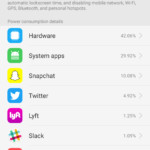
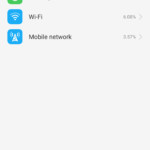

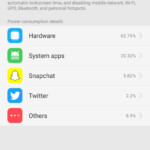
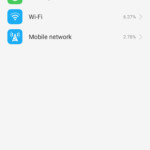

I was a bit worried that the 3,010mAh non-removable battery wouldn’t be enough to power through a full day of use. However, it seems that OPPO has added effective battery life optimizations, as I was consistently able to get either one and a half days of usage with around four hours of screen-on time or one day of usage with around seven hours of screen-on time. Those are some pretty impressive numbers regardless of how you frame it.
My testing was performed while connected to 3G networks
Do keep in mind, however, that my testing was performed while connected to 3G networks, which is easier on the battery and therefore inflates these tests results. For what it’s worth, I also used the phone while connected to my college’s Wi-Fi network, which covers the entire campus very well with few “dead zones”, even outdoors. During these days, battery life was more or less the same, which is to say it was excellent.
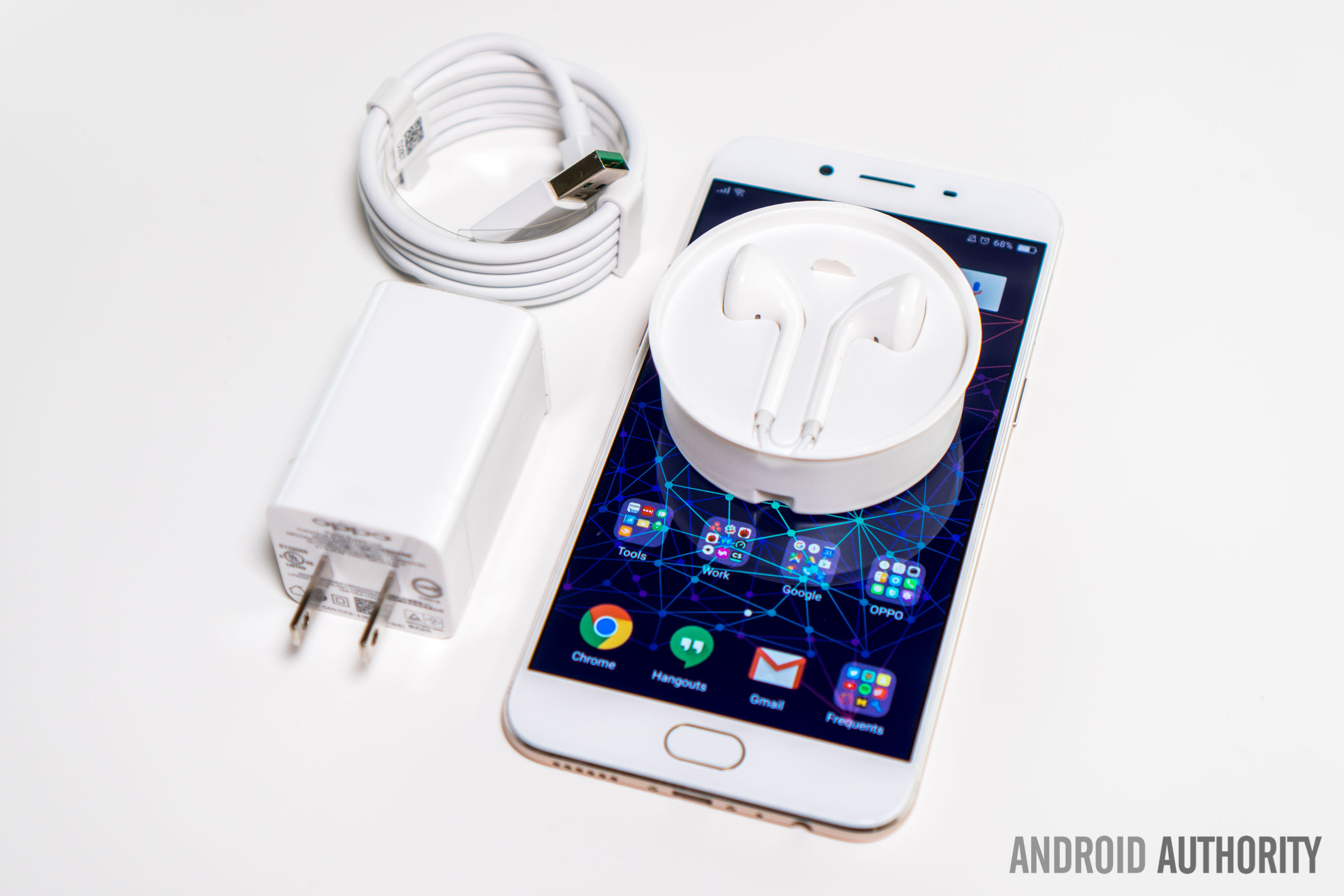
When you do need to charge the R9s, you can take advantage of OPPO’s proprietary VOOC Fast Charging, which OPPO claims charges the phone from 0 to 75 percent in just thirty minutes. That’s a really impressive charge rate, especially when you consider how well VOOC handles heat dissipation. Much of the heat generated stays in the wall adapter, rather than making its way to the phone’s internals. Although Qualcomm Quick Charge has the advantage of being way more ubiquitous, it’s hard to argue with VOOC’s features.
See Also:
Qualcomm Quick Charge vs OPPO VOOC vs MediaTek PumpExpress+ vs Motorola TurboPower vs the others
February 4, 2016
Oh, MicroUSB, it seems like you just won’t go away; despite many smartphone manufacturers having already made the transition to the new reversible USB Type-C standard, OPPO is evidently still living in early 2015 with the R9s.
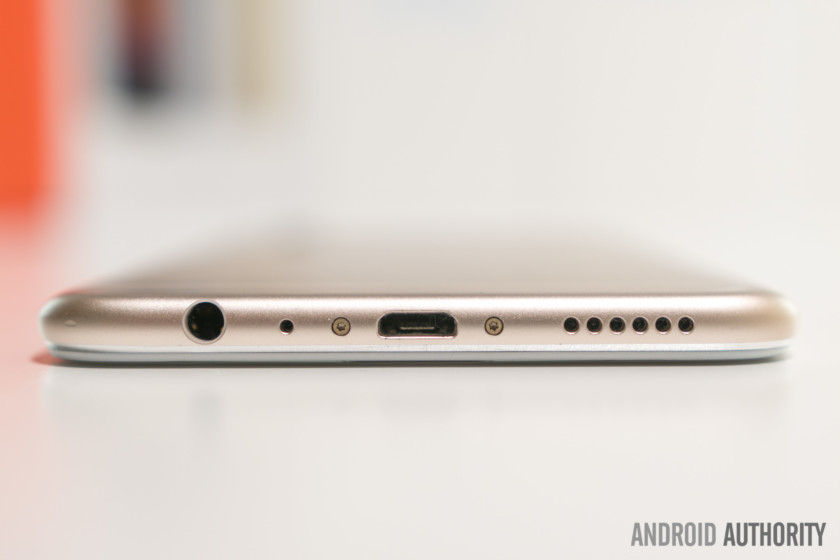
I suppose you might find this nice if you don’t wish to purchase new charging cables, but if you’ve already made the transition or would like the features that USB Type-C has to offer, you’ll be out of luck here. What a bummer.
Camera
The phone’s ‘now, it’s clear’ tagline is a sort of a double entendre
OPPO has focused much of their marketing on the R9s’ camera. The phone’s “now, it’s clear” tagline is a sort of a double entendre, implying that the R9s offers clear photos which makes it the clear choice. It’s arguably a bit cheesy, but what’s much more important is whether the claim holds water.
The camera setup certainly looks pretty killer on paper. OPPO states that the R9s features a customized Sony IMX398 1/2.8 inch sensor, which is the second latest sensor from Sony at the time of writing. The IMX398 is actually making its debut with this phone, which is quite impressive for a mid-range smartphone. Anyway, this particular camera is a 16MP f/1.7 shooter. The pixel size is larger than average at 1.12µm, which translates to more light per pixel, which should help in low-light conditions.
See also:
Best Android smartphone cameras
2 weeks ago
So, what’s the verdict? Well, our sample images reveal that the R9s is somewhere in between the OnePlus 3T and Google Pixel XL. It’s better than everything we’ve seen at around $400 thus far, but doesn’t quite beat out the best shooters.

Most images shot in good lighting are quite impressive with natural-looking colors, balanced levels of saturation, and minimal noise and distortion. And, oh, are these images sharp! Combined with the sharp sensor and dual phase detection autofocus, it’s quite difficult to capture a blurry photo. The amount of detail that the R9s offers is spectacular, something which you can fully appreciate when viewing the images on a larger high resolution display. In this sense, OPPO’s marketing is well justified.
Dynamic range is only about average though, and HDR doesn’t really help in getting balanced shots of extreme highlights and shadows. In addition, the true to life color nature inevitably means that some images exhibit muted colors. Within perspective, however, these are some pretty minor complaints.

The camera holds up reasonably well in low-light conditions. Of course, the sensor has to deal with much less light, and as a consequence has to find a balance between sharpness and noise levels. That’s why many of our sample low-light images appear soft and slightly noisy, despite the fast aperture and larger pixel size. Perhaps optical image stabilization would have helped here by allowing for longer shutter speeds.
Perhaps optical image stabilization would have helped here by allowing for longer shutter speeds
Although the rear camera does support 4K video capture, I found the quality to be slightly below average. That’s a bit disappointing, so if you plan on doing more videography than photography, you may want to consider other options.
The front-facing 16MP f/2.0 camera is capable of delivering some very nice selfies. The built-in Beauty mode is also surprisingly balanced. The skin softening is kept at a reasonable level, therefore producing semi-natural looking shots.


Unsurprisingly, OPPO’s camera app takes a lot of inspiration from Apple’s. The interface makes it easy to quickly shoot images and the primary camera modes can be accessed directly from the main view. There are a few extra modes available too: Ultra HD, GIF, Expert Mode, Various Filters, and Double Exposure.
The “expert mode” is a bit quirky though; you can’t toggle back to autofocus without exiting and then re-entering the mode, you can only increment shutter speeds by seconds, and you can’t adjust processing levels like contrast and saturation.
Software
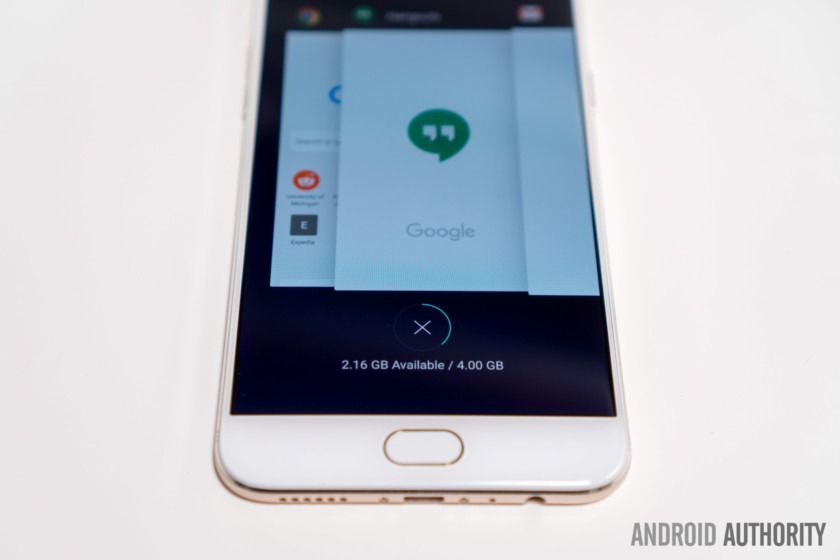
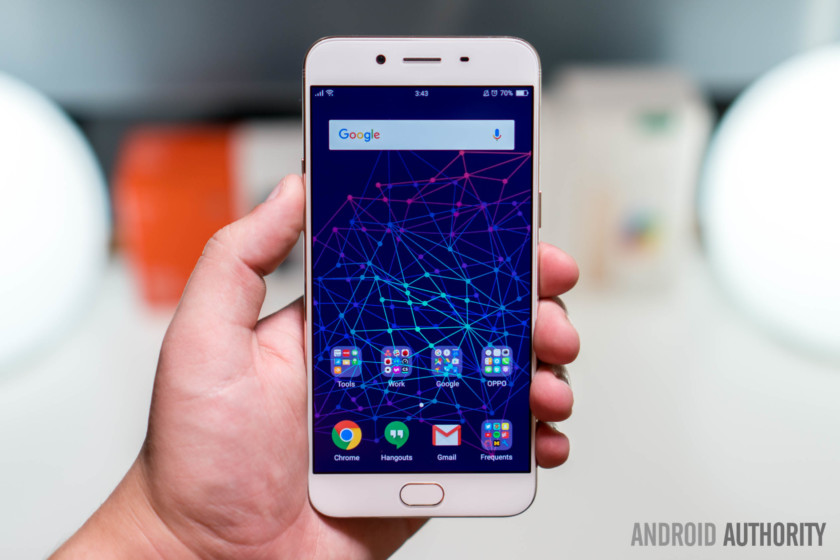
OPPO’s desire to imitate Apple is heavily emphasized with their software. The R9s ships with ColorOS 3.0 over Android 6.0 Marshmallow, which provides a very iOS-like experience. In fact, any of the colors and design attributes are recognizably from iOS. OPPO’s software is also disappointing in the sense that it includes very few extra features and customizations compared to stock Android. It even strips some features like multi-user support and the ability to change different audio levels from a single menu.
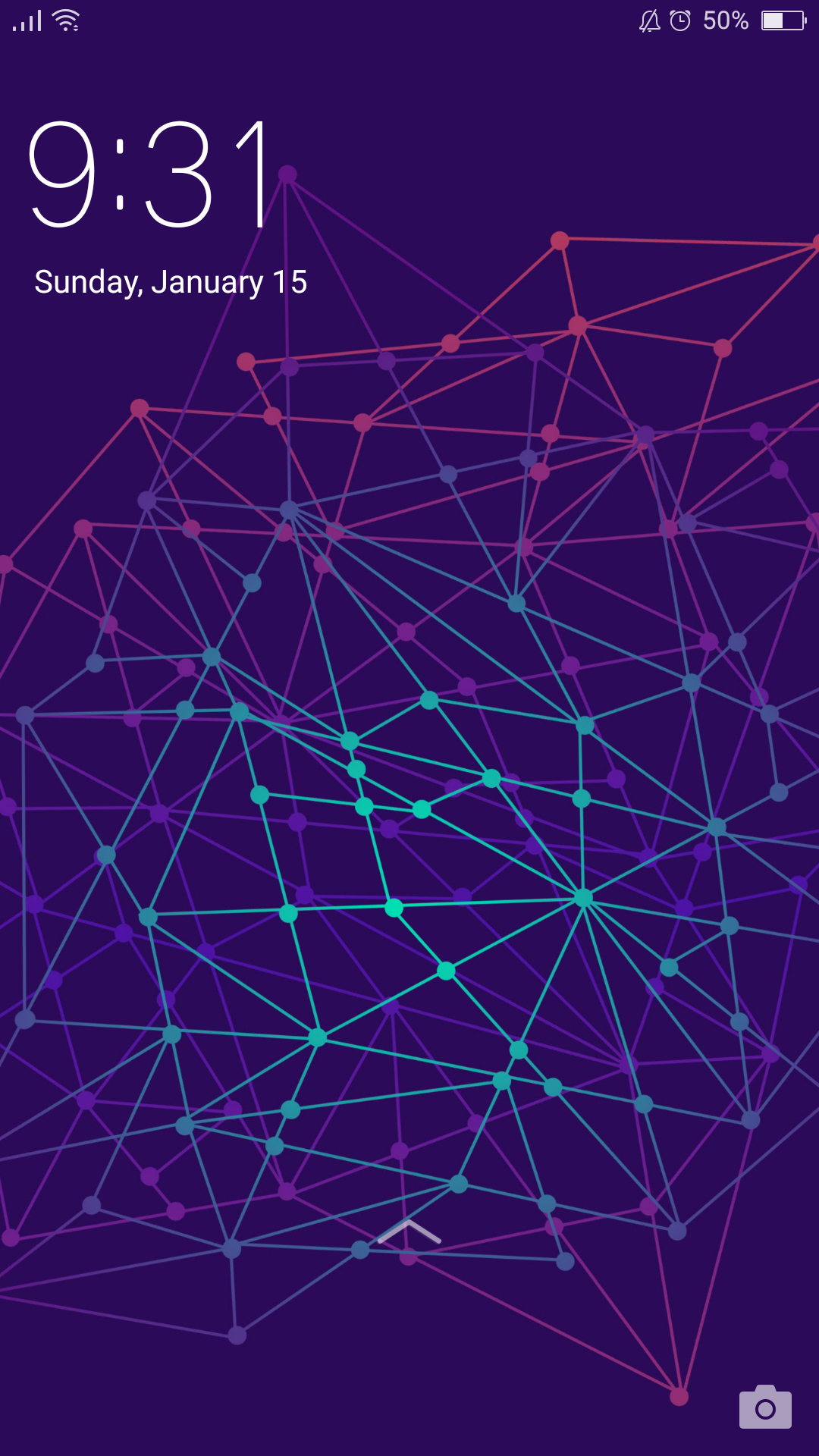
The overall experience is decently polished, but I noticed a number of minor issues during my time with the phone. For example, when do not disturb is enabled, the time at the center top of the screen is replaced with “do not disturb”. In order to see the time, you have to first swipe down for the quick toggles and then swipe right to see the notification panel.
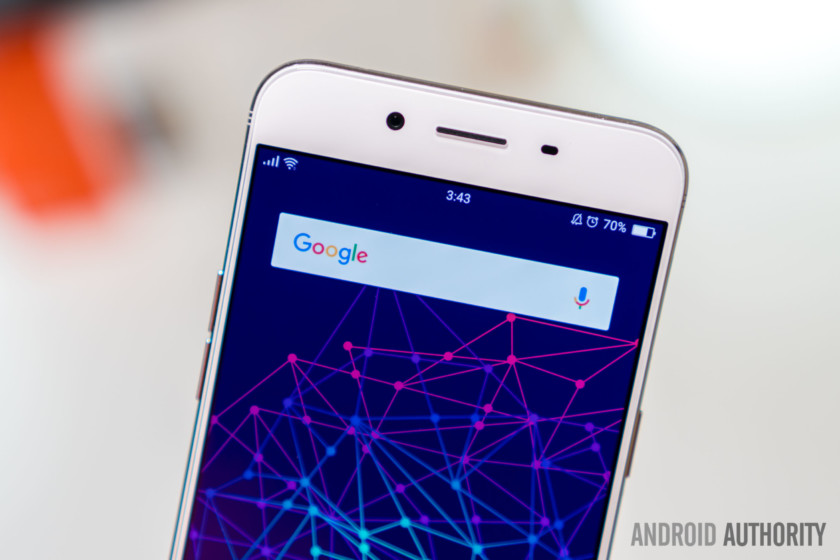
This decision was quite frankly idiotic
This decision was quite frankly idiotic, as I’m more likely to want to see the time during nightly do not disturb hours than I am during the day. The software already adds a moon icon next to the battery icon when do not disturb is enabled, so I’m perplexed by the reasoning behind this.
A few more minor complaints: you can’t see black text previews in notifications since the phone sets the color to dark gray instead of the default white, the settings icon appears “broken” near the bottom right, and putting the phone into developer mode can be a nightmare. You’re required to complete captcha each time you’d like to use it and you’ll be constantly reminded that it’s on with a flashing yellow banner at the top of the screen.
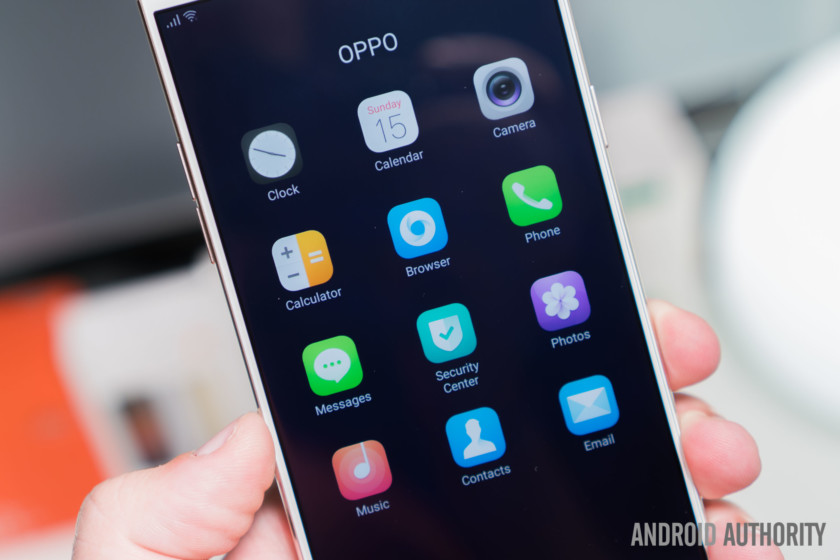
The cumulative look is quite frankly confusing
Thankfully, the phone doesn’t ship with any bloatware and only a standard set of system apps. Like the rest of the software, those apps are mediocre. My main gripe is the amount of design inconsistency between apps. It sometimes seems as if OPPO assigned each app to different teams and minimized communication between those teams. The cumulative look is quite frankly confusing and inevitably gives a strong impression of sloppy work.
It’s not that I don’t like Android skins. I’ve praised both MIUI and FlyMe quite extensively in the past for offering commendably polished experiences. For Western users, those skins are already a difficult sell, so it’s hard to imagine why anyone would choose this over OnePlus’ stock-like OxygenOS. OPPO’s ColorOS just doesn’t have the same amount of polish that other Android skins have.
Based on OPPO’s Android update history, we estimate the probability of the R9s receiving an Android 7.0 Nougat update to be moderately unlikely. Unfortunately, it looks like you’ll be stuck on the nearly one and a half year old Marshmallow for the lifetime of the phone.
Specifications
| Display | 5.5-inch AMOLED 1920 x 1080 resolution 401ppi |
| Processor | 2.0GHz octa-core Qualcomm Snapdragon 625 |
| GPU | Adreno 506 |
| RAM | 4GB |
| Storage | 64GB |
| MicroSD | Yes, up to 256GB |
| Cameras | Rear: 16MP with f/1.7 aperture, 1.12µm pixel size
Front: 16MP with f/2.0 aperture |
| Battery | 3,010mAh Non-removable |
| Connectivity | Dual-SIM, Nano Bluetooth 4.1 Wi-Fi: 2.4/5GHz 802.11 a/b/g/n/ac MicroUSB |
| NFC | No |
| Frequencies | GSM: 850/900/1800/1900MHz WCDMA: 850/900/1900/2100MHz FDD-LTE: Band 1/3/5/7/8/20/28 TD-LTE: Band 38/39/40/41 |
| Software | Android 6.0 Marshmallow ColorOS 3.0 |
| Sensors | Distance sensor Light sensor G-sensor E-compass Gyro-Sensor |
| Dimensions and weight | 153 x 74.3 x 6.6mm 145g |
| Colors | Gold, Rose Gold |
Gallery
Price
The OPPO R9s is now available in either Gold or Rose Gold. In China, it retails for 2800 yuan or about $405. In Singapore, it can be picked up for a slightly more expensive S$680 or about $481. As mentioned previously, each model includes 64GB of internal storage which is expandable up to 256GB. It’s not officially available in the U.S., though you can pick one up from a third-party retailer like OPPOMART.
Buy now from OPPOMART
Conclusion
The OPPO R9s has an excellent camera, offers impressive battery life, and features a nice display. However, the number of compromises here is staggering. Among derivative design and software, the R9s has sloppy software, offers below average performance, and has a bleak software support outlook. For Western users, the strange display coating, YouTube audio sync issue, and limited availability are even bigger issues to consider.
While we greatly appreciate OPPO’s efforts to bring an excellent camera to this price point, we simply cannot recommend the R9s when options like the ZTE Axon 7, the Honor 8, and the OnePlus 3T are available at similar prices. If you’re looking for a great camera, we suggest that you either compromise a bit with one of these alternatives or pay more for a true flagship.
Thank you for reading our comprehensive OPPO R9s review! We hope that it will help guide your ultimate purchasing decision. If you have any questions or thoughts about the OPPO R9s, be sure to let us know in the comment section down below.
Next:
Best Android phones
2 weeks ago
Google’s next Pixel phones have the codenames ‘Walleye’ and ‘Muskie’
The codenames for Google’s Pixel 2 phones have been revealed.
Little is known about the next Pixel flagship smartphones, but based on a few reports so far, we know that Google plans to launch them this year and that they will be premium devices with high-end price tags. And now, thanks to a new report from Android Police, we know what Google has been calling the devices internally.
Google’s Android Open Source Project gerrit reportedly revealed one of the devices’ codenames: Walleye. The smaller Pixel device is Walleye, and although the gerrit only mentioned Walleye, Android Police said its unnamed source also revealed that the larger Pixel device is known as Muskie. If you remember, last year’s gerrit only showed Marlin, not Sailfish – the two codenames used for the first-generation Pixels.
- Android O: What’s the story so far?
The Mountain View company has a longstanding history, going back to the Galaxy Nexus, of code-naming devices after sea dwelling creatures. And like Samsung’s Galaxy S7 and Galaxy S7 Edge, as well as Apple’s iPhone 7 and iPhone 7 Plus, Google will probably continue to release a pair of flagships this year. But don’t expect to see the new devices until around October 2017.
Check out Pocket-lint’s round-up for more details on what we’d like to see from Pixel 2, which is what we’re calling the upcoming devices for the time being. The company is rumoured to be ditching the headphone jack on the next Pixel. We’re not sure how we feel about that yet.
Visa is testing NFC sunglasses that can pay for stuff
Sunglasses may soon be able to do more than take your picture. At SXSW on Tuesday, Visa revealed a prototype pair that can be used to pay for purchases. A small NFC chip resides in one of the arms and is linked to the user’s Visa account. So, rather than swiping a debit card or punching in a pin, the user will simply tap the payment terminal to complete the transaction.
“It ties back to our tagline of everywhere you want to be,” said Chris Curtin, Visa’s chief brand and innovation marketing officer, told CNBC. “Without it it’s hard for us to fulfill our tagline. Our view is we take form factors that you don’t expect to be payment-enabled like sunglasses or maybe like a ring and expose to the market that maybe it can be.”
The glasses aren’t available for sale yet. Visa is reportedly testing the marketing waters to gauge demand for them and potentially hook a brand or bank to sponsor the rollout. And what better place to test them for real-world interest than at SXSW, where the lack of Ubers and Lyfts have utterly confounded some of tech’s best and brightest influencers?
Source: CNBC
Apple denies price-fixing allegations in Russia as federal agency investigates
Russia, the land of ballet, borscht, and the world’s largest ceremonial bell, is apparently also home to practices of a more unsavory sort — price fixing. That’s according to Russia’s Federal Anti-Monopoly Service (FAS), which has officially found iPhone maker Apple guilty of price-fixing devices in the country.
Russia’s anti-monopoly agency first claimed in August that Apple was allegedly fixing prices in Russia. After compiling a case against the iPhone maker, the agency has now found Apple guilty.
More: Russian court finds Google guilty of anti-competitive practices
The allegations apparently sprung from “a citizen with information” about alleged incongruities in Russia’s smartphone resale market. According to FAS investigators, 16 unaffiliated third-party retailers maintained an agreed-upon price for Apple’s iPhone 6s and 6s Plus models “for a certain period of time” — as early as October 2015. “The Anti-Monopoly Service sees signs of price-fixing violations in the Russian Federation at Apple iPhone resellers, which resulted in the same prices for these smartphones,” the agency said in an earlier statement.
The formal filing followed months of legal discovery by FAS head Andrei Filimonov. Russian news agency Interfax reported that a delegated unit began looking into claims of iPhone price-fixing in February 2016.
According to a report from The Financial Times, Apple illegally ordered retailers to fix prices of both the iPhone 5 and iPhone 6 models. Specifically, retailers were allegedly told to sell the iPhone at a certain price, and if a retailer was selling the phone at an unsuitable price, they were ordered to change the price or have their sales agreement terminated.
So what happens now? We don’t yet know — it’s possible that Apple could be facing fines in Russia, but any punishment has yet to be announced. The worst-case scenario for the company is that it will have to pay up 15 percent of its sales in Russia.
Apple characterized the agency’s accusations as baseless. “Resellers set their own prices for the Apple products they sell in Russia and around the world,” a spokesperson for the company told Fortune. Two of the retailers accused of conspiring to collude, MTS and Euroset, Russia’s largest mobile phone retailer, denied that they had coordinated pricing.
The FAS decision was criticized by Dmitry Marinichev, Russia’s government-appointed internet ombudsman, who argued that retailers, not Apple, deserved the agency’s scrutiny. “It won’t be possible to punish Apple,” he said. “It’s a commercial company, and therefore it works on the free market and defines for itself what the pricing level should be for a given market.”
More: This scrappy Russian startup is beating Google and Facebook at facial recognition
It’s not the first time Apple’s found itself in hot sbiten. A Russian lawsuit against the company in July alleged that Apple “did not sufficiently support” its products in the country — specifically, that Apple stores and third-party repair facilities in the country lacked the “advanced calibration equipment” and expertise needed to repair broken phones and tablets.
Apple is not the only American tech company that’s found itself in the Russian government’s crosshairs. In 2014, the FAS found Google guilty of abusing its position in the Russian mobile industry by stifling search engines and services that competed with its own — a judgment that Moscow’s Arbitration court upheld in March. And in 2014, Google, Facebook, and Twitter ran afoul of a law that requires tech companies to store Russian users’ personal data on servers within the country’s borders.
Updated on 03-14-2017 by Christian de Looper: Added news that Russian anti-monopoly agency has found Apple guilty of price-fixing.
What’s creating these mysterious fast radio bursts? Maybe aliens, say Harvard astronomers
Phenomena called fast radio bursts (FRBs) have baffled astronomers for more than a decade. No one seems to agree on what these brief, bright, high-energy flashes are. Some scientists suggest they could be flares emitted by neutron stars with intense magnetic fields. Others argue they’re remnants of a collision between tremendously dense objects such as black holes.
More recently, a team of researchers from Harvard University has presented a more provocative idea: FRBs may actually be signs of extraterrestrial intelligence.
In a paper published in Astrophysical Journal Letters, theorists Avi Loeb and Manasvi Lingam explore whether it’s possible to create a radio transmitter that’s powerful enough to be detected at the great distance of current FRBs, which are well beyond the Milky Way. They’re calculations showed it is possible but that there’s a catch — the sunlight would need to be collected from an area twice the size of Earth and the device would need to be equipped with a sophisticated cooling system so as not to overheat. That’s way beyond our current capabilities but it’s still theoretically possible.
More: Earth’s most powerful alien-hunting telescope turns its gaze to mysterious star
When considering why exactly an advanced civilization would create such an immense radio transmitter, the researchers landed on an initiative that caught headlines just last year and which was close to their heart.
“I was inspired by my involvement in the Breakthrough Starshot project,” Loeb told Digital Trends, “which aims to use a powerful beam of light to push a lightweight sail to a fifth of the speed of light, so that the spacecraft will reach the nearest star within two decades.” The project is backed by the likes of Stephen Hawking and Mark Zuckerberg.
“The power used by the radio transmitted is too high for other purposes, such as communication,” Loeb said. “We showed that the characteristics of fast radio bursts imply a transmitter with a size comparable to the diameter of the Earth, which is being powered by the light of its host star. The beam of radiation is tightly focused on the sail, but some of the radiation leaks towards the observer.” In this case, that leaked radiation would be what astronomers are detecting as FRBs.
Still, the researchers admit their paper is speculative. They’re not saying FRBs are aliens, just that they could be.
“The nature of the sources of fast radio bursts is unknown,” Loeb said. “Most astronomers believe they are associated with the aftermath of the collapse of massive stars. But our paper suggested an artificial origin. More data is necessary to decide which interpretation is more likely.”
AGM is building a rugged smartphone with Snapdragon 835 and 8GB of RAM
Why it matters to you
Are you a hiker who still wants a flagship-spec phone? The AGM X2 could be the device for you.
Chances are you’ve never heard of smartphone manufacturer AGM, but if the company gets its way, it may soon be on your radar. AGM is best known for its ultra-rugged smartphones, and according to the company, it’s developing another handset — with some pretty excellent specs.
The company announced its plans at MWC 2017, saying that its new flagship will be based on the Qualcomm Snapdragon 835 and will offer a hefty 8GB of RAM — which is far more than even most flagships that are currently available.
More: Samsung’s rugged Galaxy Xcover 4 comes with Android Nougat for less than $300
The X2 will reportedly get an official release in coming months — which makes sense considering the availability of the Qualcomm Snapdragon 835. It will also offer a huge 256GB of storage, a dual camera on the back, and a 6,000mAh battery. The phone will also include an omni-bearing ambient sensor, and as AnAndTech notes, it could offer four antennas with support for 4×4 MIMO — which is a requirement for Gigabit LTE connectivity.
As a super-rugged phone, you’ll also see a few excellent features for sports-focused users. The device boasts a pretty strong-looking build, and is rated IP68, so it’s dust-resistant and will be able to withstand being submerged in 1.5m of water for up to 30 minutes.
The phone is a follow-up to the X1, which was not a flagship device. Instead, it offered a Qualcomm Snapdragon 617 processor, along with 4GB of RAM and 64GB of storage. It also had two 13MP rear-facing cameras and a 5400mAh battery — all of which came with a price tag of $480 here in the U.S. If the X2 is priced at all similarly to the X1, it will be quite a steal — however considering the fairly big specs boost, we should expect to see the X2 be a little more expensive.
We’ll keep you posted on details surrounding the phone as we learn more.
Nvidia’s Volta line of GPUs could be 12nm parts manufactured by TSMC
Why it matters to you
If you’re skipping Pascal, then Nvidia’s next generation of GPUs could be even more powerful, efficient, and worth the wait.
Nvidia’s Pascal GPU architecture has been extremely successful, with today’s GeForce GTX 10 series offering unparalleled performance at increasingly attractive prices. The company can’t rest on its laurels, however, because AMD has a new line of GPUs coming soon that could give Nvidia some real competition.
Of course, Nvidia isn’t sitting idly and already has plans for its own next generation of GPUs. Code-named Volta, the new line is expected sometime before the end of 2018 and could transition Nvidia’s production to a new 12nm process, Hexus reports.
More: Nvidia ditches mobile for self-driving cars with latest super chip: Xavier
Chip manufacturer Taiwan Semiconductor Manufacturing Company (TSMC) is expected to be tasked with the production of the Volta GPUs. Apparently, Volta is expected to be combined with Nvidia’s upcoming Xavier “supercomputer” platform to create systems-on-chip (SoCs) for self-driving cars. If the rumors are to be trusted, then Xavier will be produced on a 12nm process as well.
There is some uncertainty about whether or not the 12nm process in question is actually as impressive as it sounds. It’s possible that TSMC’s process will remain 16nm, but that a combination of improvements to that process, subcomponent design, and marketing spin will allow the chips to merely be marketed as “12nm.”
There is no specific word on when Volta’s design and manufacturing specifications will be finalized and officially announced. Past Nvidia timelines suggest Volta should arrive sometime in 2018, but there is no precise timing nor specific information on GPU add-in cards for PC based on Volta. Xavier doesn’t have an official timeline either but Nvidia did demo the SoC at CES 2017.
Some other related information pegs TSMC as the manufacturer of Qualcomm’s upcoming Centriq 2400 server processors that are expected to be tasked to bring ARM to Microsoft’s cloud data centers. That is expected to happen by the end of 2017 and represents a real win for the ARM platform.
Everything we know about Samsung’s Galaxy Note 7 recall
Editors’ note: Under no circumstance do we recommend anyone purchase a Galaxy Note 7 at the moment. If you own one, trade it in and get a different phone. Now.
The Samsung Galaxy Note 7 is dead. Samsung has not only halted sales of the device “over concerns about the smartphone’s safety,” but it has also warned users that they should power down their phones. The Seoul, South Korea-based firm and the United States Consumer Product Safety Commission have issued a second recall for all Note 7 devices.
In March, after a months-long independent investigation involving three quality-control and supply-chain analysis firms, Samsung discovered the cause of the Galaxy Note 7’s manufacturing defects. According to Dongjin Koh, the company’s chief mobile executive, misshapen Samsung-made batteries caused overheating in some units. Batteries made by third party ATL, meanwhile, resulted from “the quick ramp-up” of replacement phone production.
The company announced its findings during a press event in Seoul, South Korea. Koh apologized for the Note 7 debacle, pledging to “restore trust of consumers so that they can use Samsung products without any safety concerns.”

Here’s what you need to know.
Verizon takes a new approach to killing the Galaxy Note 7
Verizon is taking a new approach to ensuring users stop using their Galaxy Note 7 — by forwarding all non-emergency calls to Verizon customers service. The new approach comes after an update that was supposed to render the phone completely useless, but some users seem to have evaded that update altogether.
“In spite of our best efforts, there are still customers using the recalled phones who have not returned or exchanged their Note 7 to the point of purchase,” said Verizon in an interview with Fortune. “The recalled Note 7s pose a safety risk to our customers and those around them.”
On top of the call forwarding, Verizon is also considering charging some users with the full retail cost of the phone — that’s because it seems as though Verizon issued refunds to some people even though they hadn’t returned the phone.
It’s important to note that the vast majority of people have indeed returned their device. However, it seems that Samsung and carriers won’t rest until all devices have been returned.
Airlines no longer need to notify passengers
The Federal Aviation Administration has issued a statement saying airlines no longer have to notify passengers about bringing the Samsung Galaxy Note 7 on board. The ban is still in place, but airlines are not required to make a pre-boarding notification.
More: Samsung head to answer new accusations of bribery, potentially faces arrest
It’s still up to airlines if they want to keep repeating the message or not, though.
“The Department of Transportation removed the requirement for air carriers to specifically notify passengers about the Note 7 phone immediately prior to boarding due to the high degree of public awareness of the ban since issuance of the emergency restriction/prohibition order, as well as the extensive efforts by Samsung and U.S. wireless providers to make all Note 7 users aware the phone is recalled and banned from transport on U.S. aircraft,” according to the statement.
Samsung says it has “successfully recalled” more than 96 percent of Note 7 devices.
Samsung has reportedly concluded its investigation
Earlier this year, Samsung promised to conduct a thorough investigation into the cause of the Galaxy Note 7’s malfunction and reveal the results to the public, a commitment which it recently reaffirmed. According to a new report, it won’t be long: the company has completed its internal investigation and has sent the report to the Korea Testing Laboratory and the American safety organization UL.
The company is expected to announce its findings at a press event in Seoul, South Korea on January 22.
T-Mobile is shutting down the Galaxy Note 7
T-Mobile is officially putting an end to the Galaxy Note 7. As promised, the company has started rolling out an update to Galaxy Note 7 devices on the T-Mobile network that disables the battery on the phone, rendering it unusable.
The changelog for the update says that it will offer an on-screen reminder to bring the device in for exchange, and that once it’s installed the phone will not be able to charge.
Samsung is disabling the Galaxy Note 7 starting on December 19 — Verizon gets update on January 5:
Samsung has confirmed that it will disable the Galaxy Note 7 in a software update set to begin rolling out December 19. “To further increase participation, a software update will be released starting on December 19 that will prevent U.S. Galaxy Note7 devices from charging and will eliminate their ability to work as mobile devices,” Samsung said in a statement. “If you have not yet returned your device, you should immediately power it down and contact your carrier to obtain a refund or exchange.”
The company said it’s working with carriers in the U.S. to notify customers at “multiple touchpoints” that they should return their Galaxy Note 7. And it reaffirmed that exchange incentives introduced earlier this year would remain in place.
Verizon has announced that Galaxy Note 7 devices on its network will start to receive the update a bit later, on January 5.
There’s no word yet on whether the company will extend the disabling of Galaxy Note 7s to additional countries, but it has employed other techniques. In Canada and Australia, for example, the phone is limited to a maximum battery capacity of 60 percent.
The following is a list of reported incidents so far, all involving Galaxy Note 7 phones that were replaced:
- A Kentucky resident suffered lung damage after his phone filled his bedroom with smoke on October 4
- A Note 7 caught fire on a Southwest Airlines flight on October 5
- A woman in Taiwan noticed that her phone was emitting smoke in her pocket on October 7
- A 13-year-old girl in Minnesota suffered a burn on October 7 when her phone became extremely hot under her thumb
- A Virginia man reported that his Note 7 caught fire on his nightstand and filled his room with smoke on October 9
Following this string of incidents, Samsung issued an official statement saying that it has asked all carriers to stop sales of the phone, and that all Galaxy Note 7 users should power down their phones and either get refunds or replace their device as soon as possible.
“Samsung has received 96 reports of batteries in Note 7 phones overheating in the U.S., including 23 new reports since the September 15 recall announcement,” according to the US Consumer Product Safety Commission (CPSC). “Samsung has received 13 reports of burns and 47 reports of property damage associated with Note 7 phones.”
Before that, an official at a supplier for Samsung told a Korean news agency that production had been temporarily halted. “This measure includes a Samsung plant in Vietnam that is responsible for global shipments,” the official said. The move follows the decision of U.S. carriers AT&T, Verizon, and T-Mobile to temporarily suspend the phone’s sales.
The crisis began in late August, but reached a head on September 15, when the CPSC, the federal agency charged with overseeing product reports and alerts, issued a formal recall of the more than 1 million Note 7 devices shipped to consumers in the U.S.
Since the recall, Samsung had begun issuing replacement phones. But even those have issues: A replacement phone caught fire aboard a Southwest airlines flight on Oct 5. And on October 7, a woman in Taiwan suffered a scare of her own while walking her dog in a local park when she heard a bang from her jeans pocket. She discovered that her Galaxy Note 7 was emitting smoke. She claims to have replaced her original Samsung device on September 27.
On Friday, 13-year-old Minnesota resident Abby Zuis discovered her replacement Note 7 was no safer than the original. She told local newscasters that she felt a “weird, burning sensation” in her thumb while holding the phone, ultimately suffering a minor burn as a result of the fiery Samsung device.
Most damning is the report that a replacement Galaxy Note 7 caught on fire, and that Samsung knew about it and withheld everything from customers. Kentucky resident Michael Klering told a local news station that he awoke at 4 a.m. on October 4 and realized his new phone had spontaneously combusted and filled his entire bedroom with smoke. Klerig wound up in the hospital with smoke-induced acute bronchitis.
“The phone is supposed to be the replacement, so you would have thought it would be safe,” he told WKYT. “It wasn’t plugged in. It wasn’t anything, it was just sitting there.”
When Klering reported the incident to Samsung, he accidentally received a horrifying text response from a company representative clearly not meant for him:”Just now got this. I can try and slow him down if we think it will matter, or we just let him do what he keeps threatening to do and see if he does it.”
Digital Trends reached out to Klering and we are waiting to hear back.
A fifth replacement Galaxy Note 7 in the U.S. reportedly caught fire over the weekend: Shawn Minter of Virginia reached out to The Verge when his replacement, just over two weeks old, caught fire on his nightstand in the wee hours of the morning.
“My Galaxy Note 7 replacement phone just burst into flames,” Minter said in his emailed statement. “It filled my bedroom with a smoke. The same as the Kentucky man. I woke up in complete panic.”
Under no circumstances should you buy a Galaxy Note 7, or continue using one that you already have.
Related: Federal court reinstates Apple’s $120 million patent win over Samsung
A timeline of events
The saga first began soon after the Galaxy Note 7 went on sale, and initially it was unclear exactly what was happening.
On Aug. 31, Yonhap News reported that Samsung had temporarily suspended deliveries of Note 7 devices to major South Korean mobile carriers including SK Telecom, KT, and LG Uplus. Initially, the company was reluctant to acknowledge the delay. “We are checking whether the deliveries were halted or not,” a Samsung official told the publication.
Related: Performance art: Google USB Type-C cable reviewer fries his own Chromebook
Early speculation pointed to a mechanical flaw involving the S-Pen, the proprietary stylus that ships with the Note 7. YouTube videos and reports on the web appeared to show a problem with the S-Pen’s handset slot — the ejection button used to remove the pen had a tendency to become stuck on some units. Samsung acknowledged the issue on Wednesday, began offering free replacements to affected customers, and instructed owners that hadn’t experienced the issue “not to push too hard” in the S-Pen’s housing “after the click sound.”
But evidence of a far more serious — and dangerous — problem began to emerge early this week: the potential for Note 7 devices to explode while connected to a wall charger. One documented account on social media, a YouTube video posted by user Ariel Gonzalez, appeared to show a Note 7 warped almost beyond the point of recognition.
“Came home from work, put it to charge for a little bit before I had class,” he said. “Went to put it on my waist and it caught fire. Yup. Brand new phone, not even two weeks old. Be careful out there, everyone rocking the new Note 7, might catch fire.”
A South Korean schoolteacher, Park Soo-Jung, told the Associated Press that her Galaxy Note 7 “burst into flames” unexpectedly, filling her apartment with smoke. “If the exploded phone in flame was near my head, I would not have been able to write this post.”
And posts on Korean social media appeared to corroborate reports. Most showed Note 7 units with severely damaged screens and charging ports.


In response to the growing chorus of concern, Samsung confirmed to Yonhap News on August 31 that it had delayed Note 7 shipments in order to conduct “quality control” testing. “The most important thing is the safety of our customers, and we don’t want to disappoint our loyal customers,” a company official said.
The results of those tests, the company said, were consistent with reports: some Note 7 units could explode while being charged. “[We] conducted a thorough investigation and found a battery cell issue,” it said in a statement on Thursday. “Samsung is committed to producing the highest-quality products and we take every incident report from our valued customers very seriously.”
Related: Amazon tightens up rules on USB Type-C cables after Google engineer’s criticisms
The company indicated the problem wasn’t widespread — a representative told Yonhap news that Note 7 units with faulty batteries accounted for “less than 0.1 percent of the entire volume sold” — but not necessarily easy to resolve. Samsung said the issue “couldn’t be [fixed] by changing the battery.”
Out of an abundance of caution, Samsung announced a broad recall on September 2. “The problem can be simply resolved by changing the battery, but we’ll come up with convincing measures for our customers,” a spokesperson for the company said. “For customers who already have Galaxy Note 7 devices, we will voluntarily replace their current device with a new one over the coming weeks.”
That recall, however, might not be the last we hear of the issue. U.S. investigators promptly announced that they were investigating the issue, and Sprint said that it would allow users to swap in their phone for another device while the investigation was ongoing.
That recall, however, wasn’t the last we heard of the issue. U.S. investigators said they were looking into reports of the replacement device exploding, after which multiple reports of replacement phones catching fire popped up. Finally, Samsung issued a statement saying that production on the phone had been halted and that users should immediately power down their phones.
The New York Times suggests that Samsung still does not know what caused issues in the Note 7, and they have been unable to reproduce the problem in tests.
The US Consumer Product Safety Commission and Samsung have issued a second recall for the Note 7.
Separately, the Department of Transportation, along with the Federal Aviation Administration (FAA) and the Pipeline and Hazardous Materials Safety Administration (PHMSA), announced on Friday, October 14, that all Samsung Galaxy Note 7 devices would be banned from airplanes in the U.S. “Individuals who own or possess a Samsung Galaxy Note 7 device may not transport the device on their person, in carry-on baggage, or in checked baggage on flights to, from, or within the United States,” the agency said. “This prohibition includes all Samsung Galaxy Note 7 devices,” the agency said, noting that the phones also can’t be shipped as air cargo.
How will this affect Samsung?
The Galaxy Note 7 recall is one of the industry’s largest in history, and obviously a major setback for Samsung. But it’s unclear how drastically it will impact the company’s bottom line — or reputation, for that matter.
Samsung was expected to sell as many as 15 million Note 7 phones this year, or almost double the 9 million Note 5 units it shipped last year. And before news of a widespread recall, it appeared well on its way to hitting that mark: the company said it sold 400,000 units in the first week of the Note 7’s availability and that demand had generally outstripped supply.
Samsung’s 2016 revenue bested expectations, too. The company reported a rise in second quarter operating profit to $15 billion — up 15 percent from the same period a year earlier. And it gained market share at the expense of rivals like Apple, nabbing 22.4 percent of smartphone sales — a five percent jump — thanks to higher-than-anticipated “demand for higher-end phones,” according to market analysts at IDC.
In light of the newest developments, though, some analysts expect a reversal. Park Jung-hoon, an asset fund manager at HDC, told Reuters that that Samsung’s profits would fall short of initial projections. He anticipates a decline in mobile operating profit by up to 200 billion won — or roughly $179 million — in the fiscal period between July and September.
Samsung shareholders stopped worrying too much when news that Samsung’s profits are expected to rise hit in October, according to the Wall Street Journal.
Where has the Galaxy Note 7 been banned?
The list of airlines, public transit authorities, and businesses that have banned the use of Samsung’s Note 7 continues to grow.
Australian airlines, Qantas, Jetstar, and Virgin Australia have warned customers against charging of Galaxy Note 7 during flight. Quantas issued a statement in September: “Following Samsung Australia’s recall of the Samsung Galaxy Note 7 personal electronic device, we are requesting that passengers who own them do not switch on or charge them in flight.”
They aren’t the first. Philippines-based airline carrier Cebu Pacific Air banned the use of the Note 7 on all flights, citing Samsung’s global recall. “In light of … safety issues, [we] advise passengers that the usage and charging of the device are prohibit on board all [flights] until further notice,” the company said in a statement.
Singapore Airlines followed suit. “The powering up and charging of Samsung Galaxy Note 7 mobile phones is prohibit on all our flights,” the airline said in a statement.
Airlines in the United Arab Emirates are a few of the latest to restrict the use of Galaxy Note 7 on airliners — both Etihad Airways and Flydubai have banned the in-flight use of handset. An Emirates spokesperson told the Khaleej Times that it had “advise[d] customers not to turn on or charge their Samsung Galaxy Note 7 smartphones during flights or stow them in checked baggage due to concerns over the phone’s fire-prone batteries.”
In the U.S., New York City’s MTA has advised commuters not to charge the phone on subways or buses. And the Federal Aviation Administration (FAA), following the lead of Japan’s airline authority, urged airline passengers not to use or stow Note 7 on domestic flights. “[The agency] strongly advises passengers not to turn on or charge these devices on board aircraft and not to stow them in any checked baggage,” a spokesperson said.
India’s Ministry of Civil Aviation, meanwhile, issued a warning against the use of Note 7 units on domestic and international flights. “The ministry has advised airlines and traveling public not to turn on or charge the said mobile during flights,” the agency said in a statement. “This has been done in light of several incidents globally, involving the battery of the Galaxy Note 7. Passengers have also been advised not to stow them in their check-in baggage.”
Even institutions of higher learning are exercising an abundance of caution. On September 12, New Jersey’s Stockton University became the first college to ban the use of Note 7. “We have 3,000 students that live on campus and anywhere from 10,000 individuals that come on our campus each day,” Pedro Santana, Stockton University’s dean of students, said in a statement. “[We] wanted to take a proactive measure and assure that the environment is safe, and free from a potential fire. The bottom line is, we want it on our campus.”
What are the chances your Note 7 will explode?
The Note 7 may be one of the higher-profile consumer devices in recent to exhibit — ahem — explosive tendencies, but it’s far from the first. Still, it seems to be getting the most attention.
The battery’s the problem.
The sort of Lithium-ion cells found in smartphones are packed extremely tightly. As a result, the flammable separator between the battery’s anode and cathode — the two elements between which current flows — is incredibly thin, and therefore prone to damage. Once the separator’s pierced, catastrophe results, typically in the form of a short circuit. An excessive amount of heat boils the battery’s electrolyte, ruptures its cell casing, and causes an explosion or fire.
More: The days of exploding lithium-ion batteries might soon be over
And worse, Lithium-ion battery fires are difficult to contain. Most electrolytes burn quickly when hit by a fresh supply of air, and when the fire reaches a certain thermal threshold, the materials in the cathode begin to supply oxygen, too.
On September 20, Samsung will push an over-the-air update to current Note 7 devices in South Korea that limits the battery recharge to 60 percent — in part to prevent them from overheating and thus reduce the risk of an explosion, according to the Associated Press. It’s more a band-aid than a solution — updated Note 7 units are still susceptible to explosion — but could reduce the likelihood of battery heat buildup. Samsung’s in talks with carriers to push the update to other Note 7 devices in the U.S. and around the world.
In 2006, Dell and HP were forced to recall millions of laptop batteries after reports emerged of overheating. More recently in 2014, car manufacturer Tesla redesigned its cars to better protect the batteries housed within them.
How to prevent a battery fire
Preventing a battery fire is relatively straightforward and, unless you have a phone prone to exploding like the Note 7, you can usually prevent it by taking these steps. And again, it’s also extremely rare.
Common sense tips to avoid an exploding phone:
- Stick to the original charging cable and wall adapter. In the case of the Note 7, use the official Samsung accessories that came bundled with your smartphone.
- Don’t leave your device in hot areas — especially when it’s charging.
- If you plan to use a demanding app that’s likely to generate a lot of internal heat, make sure you do so in a well-ventilated, cool place.
- Don’t smother your smartphone. Putting it under your pillow, or in a tight, restricting enclosure, or under a cushion will encourage a buildup of heat.
- The same goes for laptops and other devices that use lithium-ion batteries (almost everything that recharges these days).
As for the widely held perception that fully charged smartphones present a clearer danger than, say, handsets left to drain by your bedside all night, that’s only half true. While battery fires are more intense if the battery is fully charged, the capacity of the battery itself in no way impacts its likelihood of explosion.
I bought a secondhand Galaxy Note 7. How do I know if it’s safe?
Now that even replacement devices seem to be exploding, we don’t believe any Note 7 can be called a safe unit. Digital Trends recommends immediately returning any models, “safe” or otherwise, to the store where it was purchased.
When the initial recall was issued, Samsung found a way to alert customers about whether they had a safe device. New devices featured a green battery icon, while the older, unsafe phones had white ones. Not only that, but when refurbished Note 7 units began to ship, they included a circular sticker with a blue S in the middle. Samsung said it looks something like this:

You can read more about the recall and the company’s statement here.
Sending back your Note 7
You’ll have to send your shiny new Note 7 back where it came from.
Under the terms of Samsung’s arrangement with the CPSC, more than 1.9 million Galaxy Note 7 units sold in the U.S. are subject to recall.
Here’s the skinny on the recall process: Galaxy Note 7 owners in the U.S. can exchange it for a Galaxy S7 or S7 Edge and a refund of the difference in price between the two devices. Samsung recommends owners complete that process at the store from which they bought the Note 7, or by calling 1-800-SAMSUNG. If you exchange your device for another Samsung phone, you will get $100 in bill credit. If you swap the Note 7 for a device from another brand, you’ll get $25 in bill credit.
A company spokeswoman told Digital Trends that as of November 4, nearly 85 percent of Galaxy Note 7 devices had been replaced through the company’s exchange program, with the majority of customers opting to receive another Samsung smartphone. “We remain focused on collecting the outstanding Galaxy Note 7 phones in the market,” she said. “Any Galaxy Note 7 owner who has not yet participated in the U.S. Note 7 Refund and Exchange Program should immediately power down their phone and contact their carrier or retailer today,” the spokesperson added.
If you’re eligible for a refund but would prefer not wait for a replacement device direct, your best bet is heading stopping by your carrier’s store for a refund, exchange, or loaner device.
Here’s what every major U.S. carrier is offering:
- Sprint offers customers “loaner devices” to use while they receive a replacement unit.
- T-Mobile is halting sales of the Galaxy Note 7. It is waiving restocking fees and providing a full refund to customers who return their device, and furthermore giving subscribers who return their Note 7 a $25 credit on their monthly bill. In addition, T-Mobile’s offering a “complete refund” on Note 7 devices and accessories — specifically, the full amount paid at time of purchase plus any and all associated fees — and letting those who received a free Netflix subscription as a bonus for pre-ordering the Note 7 retain that benefit, if they so choose.
- Verizon has suspended sales of the Galaxy Note 7. It’s encouraging customers concerned about the safety of their replacement Note 7 smartphones to “take [them] back to the original point of purchase” in exchange for another smartphone. And it’s allowing online Verizon customers to exchange replacement Note 7 units at Verizon stores.
- AT&T, following suit, has suspended sales of the Galaxy Note 7. The carrier is encouraging customers with a recalled Note 7 to visit an AT&T location to exchange the device for another Samsung smartphone or smartphone of their choice, and will also refund any Note 7 accessories.
Internationally, things are a bit more piecemeal. Samsung’s voluntary Note 7 recall affects the estimated 1.5 million units that have been shipped to sellers and buyers in 10 countries, but it’s largely leaving exchange and returns at the discretion of individual carriers and retail partners. It has, however, instructed partners to return Note 7 deliveries as they receive them, and major cell phone carriers in the U.S., Australia, and South Korea have taken the extraordinary step of preemptively withdrawing the Note 7 from sale.
Note 7 owners in South Korea are eligible for a full refund for their device or can exchange it for a new one. And starting Saturday, Samsung said it’ll roll out a “battery-monitoring service” for users in the country to “ensure their devices are safe.”
In the U.K., Samsung has begun a separate exchange process. All U.K. providers and operators should have already contacted Galaxy Note 7 owners to set up an exchange, and the swapping process has now officially begun.
Samsung’s dedicated customer support line for the Galaxy Note 7 remains active at 0330-726-1000.
If you’re in Canada, Samsung Electronics Canada Executive Vice President Paul Brannen has made it clear that your safety is a major concern of the company. “Samsung holds safety and consumer satisfaction as a top priority,” he said. “While there have been no confirmed incidents in Canada, Samsung is taking a proactive approach to address customer needs around the Note 7 and immediately addressing any consumer concerns.” Canadian Galaxy Note 7 owners will be able to exchange their phone for a Galaxy S7 or Galaxy S7 Edge. You can register your Galaxy Note 7 here for the recall.
Article originally published in August 2016. Imad Khan, Julian Chokkattu, Christian de Looper, and Lulu Chang contributed to this report. Updated on 03-14-2017 by Kyle Wiggers: Added news that Samsung has detailed the results of its investigation into the Note 7 explosions.
This insane iPhone case packs a fully functional Android phone
Why it matters to you
If you’ve ever wanted to stick an Android phone on the back of your iPhone, the ESTI Eye is for you.
Let’s face it: No mobile operating system is perfect. Apple’s iOS has awesome features that Google’s Android doesn’t, and Android boasts some sweet apps and tools that iOS can’t match. Since the dawn of the modern smartphone, though, it’s been impossible to get the best of both worlds — you’ve had to settle for an Android phone or an iPhone. But the Eye wants to change that.
The Eye, which launched Monday on Kickstarter, is ostensibly an iPhone case with a rear-facing 5-inch display. In reality, it’s a fully functional Android smartphone replete with two SIM card slots, 3GB of memory, an octa-core MediaTek Helio P20 processor, a 2,800mAh battery, and up to 256GB of storage (via MicroSD slot). And it’s just as bulky as you’d expect.
More: This crazy case makes your iPhone feel like a OnePlus 2, but it also holds a secret
Size aside, though, the Eye’s creators make an interesting pitch. The 5-inch Full HD (1,920 x 1,080 pixels) AMOLED screen is reportedly the “best […] on the market,” and the Eye’s MicroSD cards double as storage for your iPhone via a Lightning connector. Its battery extends your phone’s battery life, too, and enables wireless charging via Qi — you can stick the Eye on a compatible pad and it’ll charge your iPhone.
That’s only the tip of the iceberg. The Eye can mirror the connected iPhone’s camera preview screen so that you can take selfies with the rear-facing camera. Its dual SIM card slots deliver 4G LTE speeds up to 300Mbps, and its 3.5mm jack and dedicated DAC (digital to analog converter) let you use a conventional pair of headphones with the otherwise port-free iPhone 7.
And there’s more. An NFC (Near Field Communication) radio allows you to program NFC stickers, and send files and pictures to another NFC-support phone. And an infrared blaster lets you control home appliances like TVs, set-top boxes, and stereo systems with a compatible app.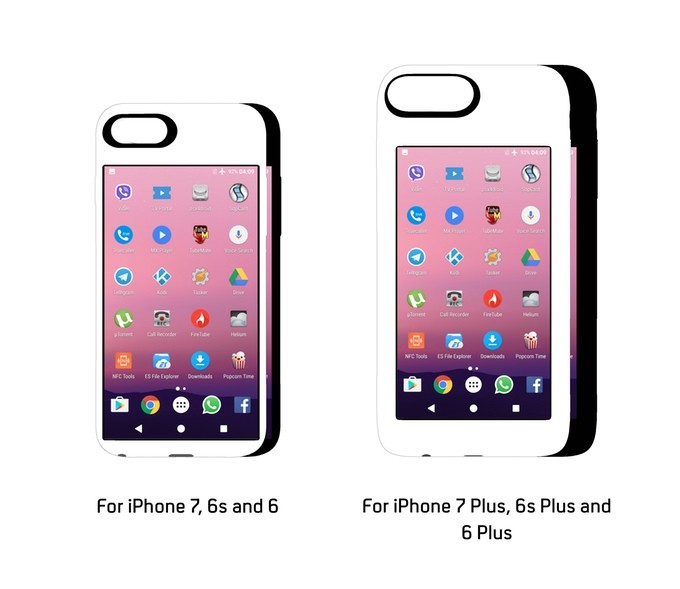
And the Eye runs Android 7.1 Nougat.
More: 40 of our favorite iPhone 6 cases for style and protection
If that all sounds too good to be true, it very well might be. The startup behind the Eye, Israel-based ESTI, is a newcomer to the smartphone accessory business. That’s not a reason to dismiss the project out of hand, but certainly cause to be wary.
Even if the Eye delivers on its promises, though, it inherently involves compromises — at the end of the day, you’re slapping an Android phone on the back of your iPhone. NFC, IR, and a beefy external battery sound like great features in theory, but when you have to contend with the extra weight and bulk that come along with them, they’ll undoubtedly lose their luster.
If none of that dissuades you, the Eye starts $100 on Kickstarter (with an estimated later retail price of $190). It comes in black and white, and fits the iPhone 6, 6 Plus, 6S, 6S Plus, 7, and 7 Plus.
LaCie 4TB Rugged USB Type-C review

Research Center:
LaCie Rugged Type-C
There’s nothing glamorous about an external hard drive. Destined for days in a lonely corner of your desk, or tossed around between backpacks while traveling — a tool that serves an important duty, but only draws your attention if it breaks.
Which makes this Lacie 4TB Rugged USB Type-C a hammer, or a chisel, in your toolkit of electronics. Steadfast and sturdy, the design hasn’t changed in years, and that’s totally fine, because it doesn’t need to. A Type-C port gracing one end of the drive is the only clue this drive wasn’t made 10 years ago.
And yet, the bright orange silicon and muted silver chassis still fits in alongside more modern offerings. These Lacie drives set the stage for the external drives that have become ubiquitous in a laptop-driven market, and the Lacie Rugged Type-C carries that tradition on without changing a thing.
Design
Lacie’s Rugged external drives are immediately familiar, with a silver body wrapped in a thick layer of orange silicone. The drives haven’t changed much over the years, but here, that’s a good thing. The original design is still very attractive, and the wrap is a lot thicker and more durable than a cheap phone case. The drive itself feels solid and beefy, without being overly large, and the outer shell is removable if need be.
 Bill Roberson/Digital Trends
 Bill Roberson/Digital Trends
It serves a purpose too. Lacie has drop tested the drive to four feet while not in use. You could theoretically drive a car over it. And while it isn’t water-proof, it should be fine in the rain. We didn’t durability test these features by dropping from specific heights, but we had no fear throwing the drive in a backpack or taking it with us anywhere. Our confidence comes from past experience with these drives, which have made their rounds through our video production crew.
You could theoretically drive a car over it.
While the Lacie is very durable, do keep in mind that it’s only protected when it’s not actively being written to or read from. It’s still a spinning disk drive with moving parts, and if it takes a drop while you’re using it, you’re likely to lose some of your data and risk corruption. Solid state drives have no moving parts, and that means you can toss it around or plug it into your phone and not worry about breaking anything. You may not be able to drive over it with a car, but it’s worth considering that in this case, there are two kinds of durability.
Normally we’d break out a section for connectivity, but here it’s just a single USB 3.0 Type-C plug. If you don’t have a Type-C plug on your computer, no need to worry. Lacie includes Type-C to Type-C and Type-C to Type-A cables inside, both USB 3.0 compatible.
Setup
When you first plug the drive in, you won’t see the volume immediately. Instead, at least in Windows, there’s a read-only 256MB partition named Lacie Setup. Running setup allowed us to format a NTFS partition — Windows only — of 4TB, or to devote up to 32GB to a FAT32 partition that can be read and written by Mac and Linux machines.

Bill Roberson/Digital Trends
After a few minutes, your drive will be properly partitioned and ready to go. Lacie offers to install a few applications, like Adobe Reader Link and Genie Timeline, a backup suite. It will also stash some documentation and the installation software on the FAT32 partition, if you had it create one.
More: Samsung T3 2TB Portable SSD review
It’s not exactly a stressful or time-consuming process, but it’s one that’s increasingly uncommon among external drives. Often, you just plug the drive in, and it’s already formatted and ready to go. Lacie’s approach is due to a belief that different users might need to format this drive different ways. That makes sense, but also underscores the fact this drive is for people who need something more than bargain-priced backup storage.
Performance
Lacie promises a 130Mbps read speed, close to the limit for mechanical drives as a category. That’s a cap we’ve seen on other USB 3.0 drives as well, but you don’t buy an external drive for speed, usually.
The Lacie Rugged managed to average 135MBps in our testing, with the write speed trailing close behind. That’s basically the limit for mechanical drives, and even internal hard disks running over a SATA connection rarely break 150MBps or so.
Only external SSDs like the Samsung T3, used over a high-speed USB 3.1 connection, are able to start producing even higher speeds. They provide numerous other benefits too, including a lack of moving parts for increased durability. The T3 is also several times smaller than this hard disk. Those features come at a steep price, however, as the largest 2TB Samsung T3 is around $800, which is almost four times the price of this 4TB Lacie drive.
LaCie Rugged Type-C Compared To

WD PR4100 NAS

Plextor M8Pe

Intel SSD 750 Series

Seagate Backup Plus Ultra Slim…

LaCie Porsche Design hard drive

Samsung T3 Portable SSD MU-PT2T0B

Transcend SSD370

Crucial BX200 960GB

Toshiba Q300 480GB HDTS748XZSTA

Samsung Portable SSD T1

ioSafe Solo G3

ioSafe Rugged Portable

HP MediaSmart EX487

Corsair Flash Survivor (8GB)

Crucial Gizmo! 256MB
Warranty
Lacie’s two-year limited warranty may not feel luxurious, particularly at the price point, but it’s twice the length you’ll find on less expensive drives. That said, the much more expensive Samsung T3 once again steals the show with a three year warranty – you get what you pay for.
Our Take
Lacie’s Rugged USB-C drive sells in a variety of capacities, with our 4TB review unit retailing for $250. It boasts a sturdy design, massive capacity, and portability only matched by much pricier external SSDs. Those drives offer their own advantages at an elevated price, but that’s not all there is to this story.
Are there any alternatives?
External hard drives are an easy business to get into, and there’s no shortage of options with every feature set and capacity under the sun. Seagate, which owns Lacie, also offers a 4TB drive of the same size for just $120, without the orange shield. The rugged category is much smaller, but Transcend offers a 2TB drop-tested drive for just $100, or a 256GB SSD for $120.
The DT Accessory Pack
Das Keyboard 4 Professional Soft Tactile MX Brown Mechanical Keyboard
$169.99
Logitech MX Master Wireless Mouse, Large Mouse, Computer Wireless Mouse
$72.88
Kingston HyperX FURY 8GB RAM
$61.20
How long will it last?
As for longevity, the Lacie Rugged is a mixed bag. Like the name implies, the drive’s construction is unlikely to fail you anytime soon. The USB-C connection is a forward-looking move, with a cable thrown in for anyone who hasn’t upgraded their system in a while. On the other hand, mechanical drives are often more prone to failure than more expensive solid state options. Lacie’s two year warranty is solid for the industry, and should give you some peace of mind, but it won’t save your files if you drop the drive while copying to it.
Should you buy it?
Yes, if you really need a drive that can take a beating. Lacie’s rugged line continues to set the standard high for external hard drives, both in terms of construction and performance. It’s the drive’s main draw, and it’s a great fit for traveling photographers, designers and engineers working in potentially troublesome situations, or anyone who carries around tools or heavy objects around with their computing gear.
That said, not everyone needs a drive that can be driven over by a car. Sometimes you just need it to survive a trip to the office in your backpack a few times a week. For those people, there are any number of 4TB drives available close to $100, less than half the price of the Lacie.
If you need something you don’t have to worry about denting or dropping, at least when it isn’t in use, the Lacie Rugged is the only solid choice, but that durability comes at a steep cost.
 AIVAnet