


T-Mobile and MetroPCS taking registrations for Samsung Galaxy S5
T-Mobile USA and MetroPCS have announced that registration is now available for the upcoming Samsung Galaxy S5. Neither carrier announced pricing or exact release dates however both have circled April on the calendar.
If interested in learning more about the Galaxy S5 at T-Mobile, head to t-mobile.com/nextbigthing where you can register for more info. Should you do so you’ll be entered for a chance to win a free Galaxy S5 and S-View Flip Cover. Winners will be announced daily through April 1.
Head to MetroPCS’s website to sign up for more details an you will be entered to win a free Galaxy S5 and three months of free service from the carrier. One winner drawn per week for the next five weeks.
The post T-Mobile and MetroPCS taking registrations for Samsung Galaxy S5 appeared first on AndroidGuys.

Engadget’s smartphone buyer’s guide: winter 2014 edition

You don’t need to cast bones or read entrails to know that smartphones arrive in predictable cycles. February, home of Mobile World Congress, is likely to see the launch of new handsets from heavy hitters like HTC, Samsung and LG. Those new flagships will rule the mobile hill until the fall, when Apple and Google are likely to wheel out next-gen devices of their own. Sony, meanwhile, recently launched its latest handset, the Z1 Compact, which reverses the “bigger is better” trend to great effect.
There may have only been one top-tier phone launching in January, but the phone industry has hardly been hibernating this winter. Two years after Google bought Motorola for $12.5 billion, it sold the rejuvenated handset maker to Lenovo. AT&T, meanwhile, has rejigged its mobile share plans to shrink your monthly data bill; T-Mobile will now pay you to leave your carrier; and we’re inching ever closer to a Sprint/T-Mobile merger, the FCC permitting. If you’re already on the hunt for a new smartphone, or your deal’s only for a few more months left and you like to be prepared, this is your guide to the best handsets on the market.
Android
HTC One

HTC’s 2013-era flagship is due for a revamp, and we’re certain that the gods of irony will ensure that, as soon as we’ve published this guide, the smartphone currently codenamed as “M8″ will officially arrive. In the meantime, however, the HTC One remains a handset that we’re happy to recommend. Combining jaw-dropping unibody aluminum design, powerful BoomSound speakers and an IR blaster, it’s as at home in front of your TV as on the road. The quick performance and general polish of both hardware and software mean that it hasn’t shown its age, and the UltraPixel camera is perfect for low-light shooting. Hopefully the arrival of the One’s replacement will help knock the price down, so we’d suggest keeping your eyes peeled for a bargain in the next few weeks.
Bottom line: Good hardware, good software and some innovative little touches put the HTC One ahead of the Android pack, even though it’s now several months older than many of the other phones on this list.
Key specs: 4.7-inch 1080p (1,920 x 1,080) S-LCD 3 display, 1.7GHz quad-core Snapdragon 600, 4MP rear/2.1MP front cameras, 32GB/64GB non-expandable storage, Android 4.2 (US, to be updated shortly)/Android 4.3 (global edition).
Price: $50 (Verizon), $100 (Sprint) from Amazon and Best Buy or $200 (AT&T)
Motorola Moto X

Since our last guide, the Motorola Moto X went on sale in Europe as an off-the-shelf retail option, and the company went from being Google’s plaything to becoming part of Lenovo. The news of the purchase shouldn’t distract you, however, as the handset is still reasonably new, with much to recommend it. In the US, customization is the name of the game, with the ability to choose colors on the front, back and accent pieces. There’s even an optional wood finish. It may not appeal to those who judge a phone’s performance on its spec sheet, but Motorola (and Google) worked hard to ensure there are some neat tricks under the hood. For example, you just need to say “OK Google” at the device for it to activate and offer up its voice search prowess. Then there’s the Active Display, which will show you your notifications if it feels you holding the handset toward your face.
Bottom line: Rather than cramming in ultra-fast internals, Motorola’s tried to make the phone especially intuitive to use, with Active Display and touchless controls. Oh, and it’s assembled in the USA, which might tug at your patriotic heartstrings.
Key specs: 4.7-inch (1,280 x 720) AMOLED display, 1.7GHz dual-core Qualcomm MSM8960 Pro, 10MP rear/2MP front cameras, 16GB or 32GB non-expandable storage, Android 4.2.2 (upgradeable to 4.4 KitKat).
Price: $50 (AT&T, Verizon) from Amazon and Best Buy, $100 (Sprint) or $330 (unlocked)
Samsung Galaxy Note 3

When Samsung presented the idea of a smartphone with a display larger than five inches, we were more than a little skeptical. The Galaxy Note’s surprise success, however, has forged a trend where colossal devices are now the rule, not the exception. For the Galaxy Note 3, Samsung took everything we loved about its predecessors and turned them up to 11. Instead of mildly useful note-taking, the company has ensured that the S Pen stylus now serves a deeper purpose. It also offers whip-smart performance and a battery that’ll last close to two days with normal usage. The only downside is that you’ll still look a bit silly using one as a phone, but let’s be honest: Who uses their smartphones to make calls anymore, eh?
Bottom line: The third-generation Note is an improvement over its predecessors thanks to a more useful stylus and a longer-lasting battery.
Key specs: 5.7-inch (1,920 x 1,080) Super AMOLED display, 2.3GHz quad-core Snapdragon 800, 13MP rear/2MP front cameras, 16GB/32GB/64GB expandable storage, Android 4.3.
Price: $300 (AT&T, Verizon) from Amazon and Best Buy, $350 (Sprint) or $708 (T-Mobile)
Google Nexus 5

When Google picked LG to produce the Nexus 4, heads and eyebrows were raised, but when it launched, no one could doubt that the duo had pulled off something special. For the Nexus 5, Google raised the price to $349, but for a little extra cash, you’re getting one of the finest flagships for a mid-range price. Since it’s a Nexus device, users are entitled to the latest and greatest version of Android whenever it’s out. And, despite the low price, you’re getting speedy internals and good-quality hardware. Just be prepared for some weak battery life and poor roaming options. Otherwise, we suggest you buy it contract-free, with just a prepaid SIM plan, and don’t look back. Your wallet will thank you for it.
Bottom line: We’re baffled as to why more people don’t just buy Nexus phones over all others. After all, you’re getting a flagship smartphone for $350.
Key specs: 4.95-inch (1,920 x 1,080) IPS LCD display, 2.26GHz quad-core Snapdragon 800, 8MP rear/1.3MP front cameras, 16GB/32GB non-expandable storage, Android 4.4.
Price: $100 (Sprint) from Best Buy, $349 to $399 (unlocked) or $396 (T-Mobile)
Sony Xperia Z1 Compact

We’ve noted that a lot of Android device makers like to release a handset, like the Galaxy S 4, and then release a smaller, more pocket-friendly version shortly afterward. Unfortunately, cramming the same technology down into a tighter package causes a raft of compromises, sending prospective buyers scurrying back to the full-size edition. Sony, however, decided that it would try and produce the Xperia Z1 Compact, a shrunken down, 4.3-inch version of the original Xperia Z1, which has a 5-inch screen. The only differences of note are that the display now has 720p resolution, instead of 1080p, and the battery capacity has dropped by 700mAh due to the hardware’s reduced dimensions. If you’re interested in a top-tier waterproof smartphone, but don’t fancy carrying around a device that can double as a table tennis bat, the Z1 Compact is absolutely worth investigating.
Bottom line: Sony’s struggled to sell its Xperia handsets in the past, but this one deserves to be a hit, thanks to its 20.7-megapixel camera, great build quality and blistering performance. Oh, and it’s waterproof, so if you like dunking your phone in your friend’s drinks, this one’s for you.
Key specs: 4.3-inch (1,280 x 720) Triluminos LCD display, 2.2GHz quad-core Snapdragon 800, 20.7MP rear/2MP front cameras, 16GB expandable storage, Android 4.3.
Price: $625.50 to $689.50 (unlocked, from Negri Electronics)
Motorola Moto G

The partnership between Motorola and Google may have only produced two handsets, but the ones we got were special. Aimed squarely at the lower end of the market, the Moto G is the rare beast that doesn’t feel like it costs just $180. It can beat the HTC One mini and Galaxy S4 Mini in the benchmark stakes; it features a solid camera; and the 4.5-inch display is actually quite fantastic. If you’re not dead-set on LTE or carrying around a big music collection, but want a quick and up-to-date Android smartphone, then this is the device you should be ordering.
Bottom line: If you want a Google handset, but can’t stretch to a Nexus 5, then the Moto G is your next best option. There’s no LTE, no expandable storage and the camera’s just OK, but for this price, who cares?
Key specs: 4.5-inch (1,280 x 720) IPS LCD display, 1.2GHz quad-core Snapdragon 400, 5MP rear/1.3MP front cameras, 8GB/16GB non-expandable storage, Android 4.3 (Android 4.4 KitKat on Google Play edition).
Price: $100 (Verizon), $80 (US Cellular), $130 (Boost) or $179 to $199 (GSM, unlocked) from Amazon
iOS
Apple iPhone 5s

You know the deal by now. Apple’s flagship iPhone 5s is the best iPhone ever made, thanks to improvements both inside and outside. Though it remains dwarfed in size by many rival phones, it benefits from Touch ID, an easy-to-use fingerprint scanner built right into the home button. Then there’s the future-proof A7 chip, which offers fast 64-bit performance. Add in iOS 7, with its stark new design, and you’ve got a seventh-generation iPhone that still manages to look and feel new.
Bottom line: The best iPhone yet, and among the top smartphones, period. However, if you already own an iPhone 5, you’re probably better off waiting for the 6, as nothing here really justifies the early upgrade fee.
Key specs: 4-inch (1,136 x 640) IPS Retina display, Touch ID, A7 chip with M7 motion coprocessor, 8MP rear/1.2MP front cameras, 16GB/32GB/64GB non-expandable storage, iOS 7.
Price: $199 to $399 (AT&T, Verizon, Sprint) from Best Buy or $649 to $848 (T-Mobile)
Apple iPhone 5c

Apple’s middle child is the iPhone 5c, which is basically 2012′s iPhone 5 with a plastic shell. That switch means you’ll now be able to buy the phone in a variety of bright, Lumia-esque colors, but in every other respect, it’s the same phone that came out in 2012. So, you’ll sacrifice the headline-grabbing features you’d otherwise get with the 5s, like the aluminum shell and fingerprint recognition, but if your wallet won’t stretch the extra $100 to get the higher-end model, this is a fine choice.
Bottom line: For $100 less than the iPhone 5s, it’s 2012′s best phone in a choice of fun colors.
Key specs: 4-inch (1,136 x 640) IPS Retina display, 1.3GHz dual-core A6, 8MP rear/1.2MP front cameras, 16GB/32GB non-expandable storage, iOS 7.
Price: $99 to $199 (AT&T, Verizon, Sprint) from Best Buy or $549 to $649 (unlocked or on T-Mobile)
Apple iPhone 4s

It’s a testament to the iPhone 4s that Apple can still sell it as an entry-level device more than two years after it first went on sale. Of course, it’s missing a few key specs that early adopters will be lusting after — namely, it rocks a smaller 3.5-inch display, and makes do with a slower chip and 3G-only data. That said, it still has a fantastic camera and that 3.5-inch display is at least Retina-quality. More importantly, the phone will still run iOS 7, so you won’t feel too behind your friends on more modern hardware. Of course, you’re not eligible for every new iOS feature, and there’s no guarantee your handset will be supported in a year’s time. Still, for a free-on-contract offering, it’s tremendously compelling.
Bottom line: Despite being more than two years old, the iPhone 4s can still hold its own with brand-new budget models from its rivals — and it’s a steal if you can get it for free. Speed freaks and LTE fans won’t be interested, but it’ll beat plenty of other smartphones you can get for nothing.
Key specs: 3.5-inch (960 x 640) IPS Retina display, 1GHz A5, 8MP rear/VGA front cameras, 8GB non-expandable storage, iOS 7.
Price: Free (AT&T, Verizon, Sprint) or $450 (unlocked on T-Mobile)
Windows Phone
Nokia Lumia 1520

A handset that exists in the corridor of uncertainty between a phone and a tablet, Nokia’s Lumia 1520 is the company’s first attempt at a 6-inch device to rival the Galaxy Note. With the first 1080p display on a Windows Phone device, as well as a Snapdragon 800 processor, the 1520 offers plenty to love. Pairing this massive device with a 20-megapixel PureView module puts most other devices to shame, and it’s even reasonably comfortable in a pocket — assuming you’re not wearing skinny jeans, anyway. If you’re a Verizon customer and feel left out, then the Icon, which combines similar internals with a 5-inch display, could be right up your street.
Bottom line: It’s too early to tell if Windows Phone 8 will flourish on a massive device that sits between a fully fledged tablet and a smartphone, but nonetheless, this stands as the best Windows Phone device we’ve ever seen.
Key specs: 6-inch (1,920 x 1,080) IPS LCD display, 2.2GHz Snapdragon 800, 20MP rear/1.2MP front cameras, 16/32GB expandable storage, Windows Phone 8.
Price: $150 (AT&T) from Amazon and Best Buy or $750 (unlocked)
Nokia Lumia 1020

When Nokia announced the “experimental” 808 PureView, it set the hearts of gadget fiends afire. The device came with a 41-megapixel sensor and some clever number-crunching that gave your photos much greater depth and clarity. Best of all, you could even zoom into them to a much greater level, finally bringing a CSI-style “enhance” to your images. The common consensus was that as soon as Nokia could put that 41-megapixel sensor onto a regular Windows Phone device, people would start paying attention to the platform. Well, that phone has arrived: The Lumia 1020 combines staggering imaging technology with Windows Phone’s user-friendly interface. Moreover, now that Microsoft and Nokia are filling the holes in Windows Phone’s app catalog, a flagship like the 1020 is more appealing than ever.
Bottom line: If you want to take amazing images with a smartphone, this is the device you need.
Key specs: 4.5-inch WXGA (1,280 x 768) PureMotion HD+ AMOLED display, 1.5GHz dual-core Snapdragon S4 Plus, 41MP rear/1.2MP front cameras, 32GB non-expandable storage, Windows Phone 8.
Price: $50-$100 (AT&T) from Amazon and Best Buy
Nokia Lumia 1320

When it comes to Windows Phone devices, Nokia’s (and Microsoft’s) strategy has been easy to understand, if a bit scattergun. Produce a high-powered phone, and then whittle out features to produce sequentially cheaper versions from the 925 all the way down to the 520. The company adopted a similar approach to 6-inch units, with the 1520 acting as the “flagship,” and the 1320 being a cheaper, lower-powered version for the masses. It keeps the large display and battery, but ditches the PureView camera, large internal storage and high-power internals. That said, if you’re actively seeking out a phone/tablet hybrid, but aren’t thrilled at spending the thick end of $800, this is probably your first port of call.
Bottom line: Despite its size, this 6-inch device isn’t an all-powerful phablet — it’s more like the Lumia 620 after a bout of elephantiasis. If you want a big phone without a big price tag, however, this is probably where you’ll end up.
Key specs: 6-inch (1,280 x 720) ClearBlack LCD display, 1.7Ghz dual-core Snapdragon 400, 5MP rear/VGA front cameras, 8GB expandable storage, Windows Phone 8.
Price: $390 (unlocked, from Amazon)
Nokia Lumia 520

Nokia’s Lumia 520 (and 521) are the Windows Phone handsets that lurk at the very bottom of the company’s bargain basement. In fact, this handset is so cheap, it’s often handed out as a sweetener when you buy other Microsoft products. The price, combined with the user-friendliness of Windows Phone 8, makes it a pretty easy purchase for smartphone virgins. On the downside, the handset doesn’t have much going for it in the spec department — with a weak display, OK-ish camera and a short battery life. If, however, the purse strings are tight and you’re only browsing Twitter, then this is a reasonably safe bet.
Bottom line: It’s cheap to the point of being free, and while it may not be the greatest phone out there, Nokia has always known how to knock out a solid device for those on a budget. Take advantage of the right deal, and you’ll even be able to grab one of these for free as a party favor.
Key specs: 4-inch (800 x 480) IPS LCD, 1GHz dual-core Snapdragon S4 Plus, 5MP rear camera, 8GB expandable storage, Windows Phone 8.
Price: $29 (521, Metro PCS), $100 (520, AT&T) or $126 (521, T-Mobile) from Amazon
BlackBerry 10
BlackBerry Z30

The Z30 is, in our opinion, the best BlackBerry 10 device on the market. Thanks to the handset’s 5-inch display, BB10 suddenly feels much more comfortable than on the cramped Z10, and while it’s still just a year old, the operating system at least feels mature now. Then there’s the battery, which lasts more than a full day with intermittent usage and nearly 13 hours with nonstop use. Thankfully, the company has now moved to address the weak app selection — BB10 will now install and run plenty of Android apps at the push of a button. If you’re dead set on buying a touchscreen BlackBerry, this is the one that we’d recommend.
Bottom line: We doubt BlackBerry virgins will find anything to convince them to buy this device, but enthusiasts will find plenty to like. The bigger display and better internals make for a more comfortable experience, but beware that the usual BlackBerry issues remain.
Key specs: 5-inch (1,280 x 720) Super AMOLED display, dual-core 1.7 GHz Qualcomm MSM8960T Pro, 8MP rear/2MP front cameras, 16GB expandable storage, BlackBerry OS 10.2.
Price: $100 (Verizon) from Amazon, $520.50 (unlocked, at Negri Electronics)
BlackBerry Q10

Who can count themselves among BlackBerry devotees? Security fans and those for whom only a real QWERTY input will do. The Q10 is the only BlackBerry 10 device with a keyboard that’s worth getting. Combining BlackBerry 10′s beefy operating system with smooth, but imperfect performance, the real star of the show here is that comfortable and easy-to-use QWERTY layout. If you’re eyeing the Q5, we’d suggest saving up a little more cash and going for its bigger brother; you’ll get a significantly better handset for the money.
Bottom line: In a world where the physical keyboard is an endangered species, the Q10 is the only place you can turn to, so be glad that it’s got the best of the old Bolds with a modern spin.
Key specs: 3.1-inch (720 x 720) Super AMOLED display, 1.5GHz dual-core Snapdragon MSM8960, 8MP rear/2MP front cameras, 16GB expandable storage, BlackBerry OS 10.
Price: Free (AT&T) from Amazon, $50 (Verizon), $150 (Sprint) or $500 (unlocked)
Please note, all prices are contract unless otherwise stated. T-Mobile pricing is for full handset cost rather than subsidized.
Filed under: Cellphones, Mobile, Apple, Samsung, Sony, Microsoft, HTC, Nokia, Google, Verizon, Sprint, AT&T, LG, Blackberry, T-Mobile, Lenovo
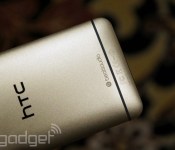
HTC One KitKat update finally hitting T-Mobile and AT&T

We aren’t far from HTC One owners on every major US carrier having access to Android 4.4.2 KitKat. T-Mobile’s over-the-air update is rolling out now, and AT&T’s will be out “soon,” according to HTC’s executive director of product management Mo Versi. As with its appearance on Verizon and Sprint, this update brings the latest version of the Sense UI (5.5) and all that that entails. Namely, a more customizable Blinkfeed and several appearance tweaks. The process is a little behind schedule, to be sure, but it’s nice to see that carriers haven’t slowed it down too much.
[Thanks for sending this in, everyone!]
Another Great News! We have received AT&T’s technical approval for the HTC One w/4.4 + Sense 5.5. Looking to get the OTA out soon. Thanks!
– Mo (@moversi) February 21, 2014
T-Mobile HTC One Owners! We have received technical approval for 4.4 OS + Sense 5.5! Expect the OTA out shortly! Thank you for your patience
– Mo (@moversi) February 21, 2014

Filed under: Cellphones, Mobile, HTC, Google, AT&T, T-Mobile
Source: Mo Versi (Twitter) (1), (2)
T-Mobile debuts new international calling options
T-Mobile is a major carrier with always a different kind of approach, for example a service they offered recently known as Jump, and such unique style led T-Mo to have the best quarter in nearly a decade. Now, the major network is back again with yet another great international service, the Stateside International Talk & Text offer. People don’t call their overseas friends or family often due to the expensive rates, but T-Mobile wants you to feel the freedom.
For just $15 a month, you get the perks of the first international offer as well, and also unlimited mobile-to-mobile calling from the U.S. to more than 30 countries and up to 1,000 mobile-to-mobile minutes to Mexico. “In a world where the number of people using mobile phones is growing by leaps and bounds, and fewer and fewer people are using landlines, it just makes sense to do it this way”, said CMO of T-Mobile Mike Sievert.
Are you happy with the new offer? Let us know in the comment box below.
Source: T-Mobile
The post T-Mobile debuts new international calling options appeared first on AndroidGuys.
Glove’s new Android app finds the best cellphone carrier near you

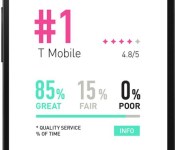
Finding a reliable cellphone carrier is tricky when even a regional performance test can’t prove that you’ll get a good signal in your neighborhood. That’s where Glove’s new Android beta comes into play. The app monitors the areas where you use your phone the most, comparing them with crowdsourced quality reports; after three days, Glove will suggest the carrier with the best-rated service in those areas. Right now, the beta’s US recommendations are limited to New York City and San Francisco, and only with the top four carriers. You’ll also have to wait if you’re looking for the iPhone version. Still, the software may prove a huge boon if you’re thinking of switching providers.
Filed under: Cellphones, Wireless, Mobile, Verizon, Sprint, AT&T, T-Mobile
Source: Google Play, Glove
T-Mobile will give you $250 if you trade in your old BlackBerry for a new one

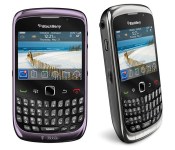
If you hadn’t heard, BlackBerry chief John Chen isn’t happy with T-Mobile — he believes the carrier fired a shot across the bow when it enticed BlackBerry users to switch phones in a recent promotion. To mend that bruised relationship, the magenta network is launching a limited-time trade-in offer that gives loyal users a strong incentive to upgrade. As of February 21st, T-Mobile will give you $200 for your existing BlackBerry, and $250 if you’re upgrading from a T-Mobile BlackBerry to a BB10 device like the Q10 or Z10. The payout is the same regardless of the device’s age, so long as it’s in good condition; if you’re still rocking a Curve 3G, you’ll get the full amount. Market share trends suggest that there won’t be too many people upgrading to new BlackBerrys, but the olive branch is welcome all the same.
Filed under: Cellphones, Wireless, Mobile, Blackberry, T-Mobile
Via: Recode
Source: T-Mobile
T-Mobile HTC One’s KitKat update coming this week, AT&T “likely” next week
T-Mobile and AT&T HTC One owners waiting for the update to Android 4.4.2 KitKat don’t have to wait too much longer.
On Tuesday, Jason Mackenzie, president of HTC America, took to Twitter and answered a few customer questions about the updates.
Mackenzie said that the update for the T-Mobile version will be coming later this week, while the update for the AT&T version will be “likely last week of Feb(ruary),” which is already next week.
The update for all US versions of the One were originally expected before the end of January, but carrier testing took more time than HTC anticipated.
Once the update arrives, it should hold all you HTC One owners over until “The All New One,” the rumored HTC M8, is announced March 25.
The post T-Mobile HTC One’s KitKat update coming this week, AT&T “likely” next week appeared first on AndroidGuys.

Your carrier wants you to buy into early upgrades, but should you take the bait?

We get it. It’s been a year since you got a new phone, and it doesn’t have a Super Ultra HD screen, 80MP camera or fancy pants 50-core processor. You pine for the latest and greatest mobile toy, but it’s probably going to cost you a lot, right? Well, yes. But in the past year, every major US network has eased the pain by introducing device installment plans, many of which allow you to trade in your current phone for a newer, hipper model. Most of these plans, which are designed to let you pay off your device over several months, are still more expensive than the average two-year contract, regardless of who you sign it with. But whether you like it or not, they’re here to stay.
T-Mobile gets credit for starting the movement: Shortly after it announced its installment and early upgrade plans, AT&T, Verizon and Sprint all followed with options of their own. Ever since, the new plans have led to a massive pricing war, and the resulting price drops (most recently from AT&T and Verizon) have made them more tempting. But what does it all mean for you?
T-Mobile JUMP
 AP Images for T-Mobile
In typical UnCarrier style, T-Mobile was the first to come out with an early upgrade program. Known as Jump (short for “Just Upgrade My Phone”), the plan is actually an add-on feature in which you pay $10 per month per phone for the privilege of upgrading to a new device once every six months (up to twice per year), and bundles that extra cost together with phone insurance.
This $10 is added to your current monthly service plan and phone installment; additionally, any time you upgrade to a new device, you’ll need to trade in your current smartphone and make down payments. As an example, a 32GB iPhone 5s costs $100 down. If you upgrade to comparable phones every six months, you’ll pay $320 per year ($120 for monthly payments and $200 in down payments). Jump is designed primarily for early adopters who always want the latest and greatest, even if it means paying more for the privilege. If you don’t plan to upgrade every six months, Jump becomes a much costlier venture than it’s worth.
Paying for regular upgrades comes at a cost. When paying for one line of service on a 2.5GB plan using a 32GB iPhone 5s, you’ll pay $340 more over two years if you upgrade your phone once, and $540 more if you upgrade every six months. It doesn’t get any better when you add more lines; the difference doubles with two lines and quadruples with four. But what if you buy a phone, such as a Nokia Lumia 521, which has a low hardware cost and doesn’t require a down payment? The figures look a bit different, but you’re still going to pay more with Jump.
On February 23rd, Jump will undergo its first major change since its launch. Instead of getting to upgrade every six months, you’ll only be eligible once you’ve paid off 50 percent of your device. This makes the program an even harder pill to swallow, since the great thing about the current policy is that you can upgrade when only 25 percent of the device has been paid off. On the bright side, at least the company will allow customers to add Jump to tablets as well as smartphones.
PROS: (Current) You get to upgrade once every six months, and insurance even comes baked in. (Next week) Tablets will be eligible for Jump.
CONS: (Current) Jump is an additional cost on top of your monthly installments, and you’ll have to put money down on pricier phones. What’s more, frequent upgraders will cough up more cash. (Next week) The same add-on cost applies, but now you’ll need to pay off half of your device before upgrading again, and that’s on top of down payments.
AT&T Next
 David Paul Morris/Bloomberg via Getty Images
AT&T quickly followed T-Mobile’s announcement with its own plan. Next made very little financial sense when it came out. This was your run-of-the-mill monthly installment plan, in which the total retail cost of the phone was split into 20 monthly payments, with the option to trade in and upgrade at the end of the first year. At the time, there were only a few ways Next benefited consumers: It had no down payments or activation fees, making the upfront cost lower than buying a subsidized phone on contract, and it was the only way to upgrade your phone earlier than 20 months. The downside was Next tacked on an extra $15 to $43 per phone to your monthly bill, which already included your rate plan and the flat-rate fee you paid to add phones, tablets, hotspots and other devices. For instance, AT&T charges $40 for each smartphone on your account.
Fortunately, Next has evolved since July. AT&T now offers incentives in the form of monthly service discounts. You’re still dishing out $15 to $35 for the installment plan, but AT&T soothes the pain by reducing the flat per-smartphone cost. Instead of $40 per handset, you only pay $25 — unless you’re on a plan with 10GB or more of data, which reduces the cost of each phone to $15. (This also applies to anyone who finishes their contract or buys a new phone at its full retail cost, so you save money each month when you grab a Nexus 5 or Moto G off contract.)
The company also lowered installment costs to compete with Verizon; it added a 26-month plan for anyone who doesn’t upgrade their phone often; and it’s brought down the price of its 10GB plans to $130 for two lines ($160 for four). Customers on existing contracts can take advantage of the offer, but the catch comes at the end of your commitment, when you’ll need to stay off-contract or sign up for Next — if you get another subsidized phone, the price will go back up. That may seem like a sneaky move, but it’s only one way AT&T is “encouraging” customers to get off traditional plans: Last month the company offered existing customers the option to switch to Next and upgrade their phone after only six months.
But is Next a good deal compared to a standard contract? It depends on your usage. Looking at a 4GB plan, regardless of the phone’s cost, you’ll still save a little bit of money over the course of two years on contract versus a 20-month Next plan. On anything above 10GB — we tested out a 15GB plan on both one and four lines as an example — the Next plan is a better deal.
PROS: It’s a great deal… if you’re a data hog. Additionally, you’ll get to hang onto the service discounts after your smartphone’s paid off, and don’t worry about shelling out a down payment when you get your phone. Oh, and it’s cheaper than Verizon Edge.
CONS: It’s still more expensive if you use 8GB of data or less, and you only get one upgrade every 12 or 18 months (depending on your plan).
Verizon Edge
 Getty Images
Verizon was the third to hop on the bandwagon, launching Edge in August. Its plan is similar to Next in concept. You pay off your phone in 24 monthly installments with no down payment, but instead of getting upgrades at a certain time, you can do it once you’ve paid off 50 percent of your current phone. (This is essentially how T-Mobile’s Jump will work starting next week, except Verizon doesn’t require down payments or add-on costs.) For example, you could upgrade your 16GB iPhone 5s once you’ve donated $325 to the cause, which takes around a year. If you’re aching for the latest and greatest smartphone before then, you can technically upgrade after 30 days, as long as you foot the full 50 percent up front. And just as we’ve seen on competing plans, you’ll need to trade in your existing phone in order to upgrade, regardless of when you do it. Unlike Next, there’s only a 24-month option.
Verizon announced last week that Edge now comes with service discounts: $10 per month per line for plans up to 8GB, and $20 for 10GB and above. This is a decent start, considering it declared last summer that it wouldn’t change its pricing structure. Unfortunately, the discounts aren’t quite as extensive as AT&T’s, and it doesn’t apply to customers who have fulfilled their contractual obligations or purchased a phone at full retail cost.
Although Edge is $5 more than Next, it still offers the same kinds of advantages and disadvantages when the costs are measured against contract plans. If you buy 10GB or more per month, Edge wins. If you go for 8GB or less, Edge loses.
PROS: The sooner you pay off the first 50 percent of your phone, the sooner you can upgrade to something new. And just like Next, Edge is a better deal if you use at least 10GB of data.
CONS: Sadly, Edge is more expensive than AT&T, and it’s costlier than Verizon’s contract plans when you use 8GB of data or less.
Sprint One Up / Framily / Easy Pay

Poor Sprint just can’t seem to make up its mind on how it should implement early upgrades. Already late to the game, the Now Network launched a program called One Up in September, which split the cost of a phone into 24 monthly installments and allowed customers to upgrade once a year. Trade-ins were required, and customers were given a $15-per-month service discount for making the switch from a standard plan.
Four months later, Sprint split the plan in two. First, the carrier introduced the “Framily” plan, which (outside of its ghastly name) is a cleverly unique idea: the more people who join your group, the less each of you pays. If you don’t need much data, 10 people could theoretically pay $25 per month per person on one plan. The downside is early upgrades don’t come included, and you’re limited to 1GB of data each month, so you’ll need to shell out an extra $20 per month per line (that’s $480 for a two-year period) to get unlimited data and yearly upgrades. If you don’t need the extra data, it’s definitely not worth paying that much more money to get a new phone every year, although $45 per person is still much more reasonable than what you can get with other carriers. The second entity is Sprint’s new financing plan called Easy Pay, which is your standard 24-month installment plan; it doesn’t include any service discounts or early upgrades.
PROS: On Framily plans, early upgrades come bundled with unlimited data.
CONS: If you want early upgrades but don’t want unlimited data, tough — you’re still paying extra for it. Anyone who uses Easy Pay won’t get to enjoy service discounts or options to upgrade early.
Evolving Strategies

When the four national carriers launched early upgrade plans, none of them actually saved customers money. Willing participants were lured in with the promise of a contract-free life and the opportunity to “lease” a fresh smartphone. They only made sense for early adopter looking for the latest and greatest gadgets. Otherwise, the numbers simply didn’t add up.
If plans don’t make sense to consumers, nobody will sign up. This poses a problem, since many carriers have decreed that subsidized contracts aren’t sustainable business models anymore. Thus, the adoption rate for the new pricing plans needs to accelerate at a much more rapid pace. In short, prices need to come down and early upgrade plans must evolve.
T-Mobile, the pioneer of monthly installments and early upgrade plans, is making its first major change to Jump on February 23rd. To the company’s credit, it’s had bigger fish to fry; why aggressively push Jump when you’re already persuading millions of customers to try device-financing plans through other initiatives? Early termination fee-buyout programs, free global roaming and ATM cards are just a few of the measures the company’s using to entice consumers over to its new plans. Jump is simply viewed as a value add-on.

Of the remaining three national networks, AT&T has shown the most dedication to getting its customers to switch to Next. It sees programs like Next as the wave of the future, and it’s pricing that plan aggressively. So far, the carrier’s efforts are working: During the month of December, Next accounted for 20 percent of all new and upgraded smartphones activated on the network.
AT&T’s biggest rival is finally firing back. Until last week, Verizon hadn’t put any oomph into making Edge more competitive, and even with its new discounts, it’s still not as compelling. Whereas Next is becoming an integral part of AT&T’s long-term strategy — complete with aggressive pricing and discounts — Verizon simply looks like it’s reacting to competition. But when you’re pulling in as many new customers as T-Mobile, why shift your focus to plans that aren’t growth factors? Edge will likely play a larger role in the company’s strategy down the road, but its higher prices aren’t slowing Verizon down at the moment.
Sprint, on the other hand, is taking the concept of evolution to a completely opposite extreme. Instead of refining its plans, it throws them at the wall to see which ones stick. Chances are, the “Framily” plan will remain — but while unique and larger groups stand to benefit, extra data and early upgrades come at a cost.
It’s going to be a long time before the traditional contract goes away for good, but US networks are preparing you for its inevitable demise. In the future, device installment plans and early upgrade options will likely become the carriers’ primary weapon of choice. And eventually we will all either make the move voluntarily or be dragged away kicking and screaming. We’d prefer the former, but it’s only going to work if these new plans evolve to a point where their benefits outweigh their disadvantages.
Filed under: Cellphones, Mobile, Verizon, Sprint, AT&T, T-Mobile
KitKat Update to land for T-Mobile HTC One this week, AT&T Next Week
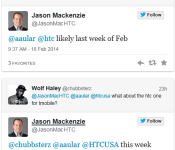
HTC and Jason Mackenzie have been doing a pretty good job of not only getting updates to the latest Android offering out, but also being open and honest about them. While they did miss their 90 targets, it has only been a few weeks off. That certainly beats a couple months off like we have seen in the past. A recommitment to keeping updates for various HTC devices transparent was made just the other day when they announced the new HTC Advantage program. In a recent set of Twitter conversations picked up by HTC Source, HTC’s Jason Mackenzie let the questioning users know when the should expect to see the much anticipated Android 4.4.2 update for the HTC One on T-Mobile and AT&T.
 As you see, Jason offers up no specific date. That is just fine as he states this week for T-Mobile and the last week of February for AT&T. We haven’t seen anyone with a T-Mobile HTC One saying they have the update yet, but it is only Wednesday. When the update does start to roll out though you can expect it to be rolled out in stages and take a few weeks for every owner to see it hit their device.
For T-Mobile users, we suggest you keep an eye on your notifications and keep your device charged up for when it does start going out. WHen we start caching wind of it, we will be sure to let you guys know.
Source: Jason Mackenzie Twitter via HTCSource

T-Mobile’s eSIM eliminates roaming charges for connected devices in US and Canada

Don LaFontaine: In a world where everything can connect to the Internet, one thing stands in the way of always-on communications: roaming charges.
When your car, watch or blood sugar monitor is constantly transferring data to and from the cloud, you have to be concerned with where you go. These sorts of machine-to-machine (M2M) communications (sometimes obnoxiously referred to as “the internet of things”) bring convenience but also their own set of unique problems. T-Mobile’s eSIM addresses at least one (extremely narrow) sliver of those issues by eliminating roaming costs when moving between the US and Canada. The carrier gives the example of a trucking company that could easily rack up $2,400 in roaming charges per-year, per-truck thanks to navigation, email, tracking software and vehicle diagnostics. By building eSIM into its systems, even a company with a relatively small fleet of big rigs could save hundreds of thousands a year. Obviously though, that’s just the start. Future medical implants that keep doctors abreast of changes in a blood sugar or pressure could also rack up steep roaming fees if the patient is a frequent traveler.
T-Mobile is making eSIM available to businesses today and it’s compatible with “multiple international carriers” right out of the box. While wandering between the US and Canada certainly limits its appeal at the moment, support in other countries will be announced over the course of the year.
Filed under: Wearables, Wireless, T-Mobile
Source: T-Mobile
 AIVAnet