


Google OnHub routers are finally getting guest WiFi

As clever as Google’s OnHub routers are, they’ve had a few glaring omissions… like, say, a guest mode to accommodate your friends. However, the company is making amends for at least one of its rookie mistakes. It’s readying an update that enables guest WiFi, which lets visitors hop online without giving them access to absolutely everything on your local network. You also have fine-grained control over the devices you do want them to see. You can open up your Chromecast, for example, while keeping your networked storage off-limits.
The update doesn’t appear to be available yet, so don’t be worried if you’re still stuck with an all-or-nothing setup for a little while. When it does hit, however, it’ll help make a more convincing case for the OnHub if you’re sitting on the fence — you don’t have to take a step backwards in software features just to embrace Google’s simpler, prettier vision of home networking.
Via: Android Central
Source: Google
ZenFone Zoom now available from B&H

Those interested in ASUS’ ZenFone Zoom will be ecstatic to hear that B&H now has the device up for sale.
The ZenFone Zoom, originally unveiled a year ago at CES 2015, has a gorgeous Full HD 5.5-inch display, a quad-core Intel Atom Z3580 processor, 4GB of RAM and 64GB of storage. It’s also sporting a slot for a microSD card.
What makes this smartphone stand out is obviously the “Zoom” portion of the device. It has a 13-megapixel rear camera with a 10-element Hoya lens, allowing the sensor to have a 3x optical zoom. It’s also equipped with some excellent laser auto focus and optical image stabilization technology.
Unfortunately, the smartphone is a year old and is outdated in certain aspects of its specifications; however, it’s still a very capable and snappy smartphone.
B&H is selling the device for $400 unlocked. According, to the cellular bands it has, it seems like it’s capable of LTE on AT&T and T-Mobile, though it might be wise to check with your carrier for certain.
Anyone plan on picking up this device?
source: B&H
Come comment on this article: ZenFone Zoom now available from B&H
128GB ASUS ZenFone Zoom goes up for pre-order in India
The ASUS ZenFone Zoom just went for pre-order on Flipkart in India. Other than Taiwan, the company’s homeland, and the United States, India is the only other country accepting pre-orders.
The ASUS ZenFone Zoom combines a high quality camera into a smartphone while maintaining a fairly thin profile. In matter of fact, ASUS is saying that this is the only smartphone in existence with 3X optical zoom in a body this thin. For a more in-depth look at the list of specifications, view this article covered by a member of our team when the device first released.
The ASUS ZenFone Zoom costs INR 37,999 on Flipkart. This is approximately $560 in USD. That will get you a whopping 128GB of internal storage. It’s available in choice of white or black, both in which are still in stock. The device is expected to launch in India early February. This is when all pre-orders will be sent out.
Source: Flipkart
Via: India Today
Come comment on this article: 128GB ASUS ZenFone Zoom goes up for pre-order in India
ASUS launches new ZenFone Go 4.5 in India for Rs. 5,299

ASUS has just launched its latest budget-friendly smartphone, the ZenFone Go 4.5, in India. The handset is available exclusively from Flipkart starting today for Rs. 5,299 ($80), which makes it one of the cheapest Lollipop-powered devices currently on the market.
As you’d expect, the Go 4.5 doesn’t exactly excel in the performance department. Under its plastic hood, you’ll find a 4.5-inch display with a resolution of 854 x 480 pixels, a MediaTek MT6580M low power quad-core processor, 1GB of RAM, 8GB of expandable internal storage and a 1,600mAh battery.
As far as the camera goes, we’re looking at a 5-megapixel rear-facing shooter and a 0.3-megapixel VGA selfie snapper. The device does, however, run all captured images through ASUS’ integrated photo enhancement software, which is said to upscale the quality significantly.
To compensate for the sheer lack of flash memory, ASUS has teamed up with Google to award all customers who purchase the ZenFone Go 4.5 with 100GB of free Drive storage for two years and 5GB of lifetime storage on the manufacturer’s WebStorage platform.
That’s about all there is to the ZenFone Go 4.5. For more information on how to pick one up in India, hit the source link below.
Source: Flipkart
Come comment on this article: ASUS launches new ZenFone Go 4.5 in India for Rs. 5,299
Dual-SIM Asus ZenFone Go 4.5 launched for Rs. 5,299 ($80)

Cost effective smartphones have become big business in India and Asus has just announced its new ZenFone Go 4.5 to cater to this growing market. Priced at just Rs. 5,299 (USD 80), this handset certainly won’t break the bank, but it does have one or two compromises, as you would expect.
As the name implies, the new ZenFone Go 4.5 features a 4.5-inch display which packs a resolution of 854 x 480. The handset is powered by a quad-core MediaTek MT6580M, which is built from four low power Cortex-A7 CPU cores. The phone also features just 1GB of RAM, so performance is going to be hit and miss. The handset comes with 8GB of internal storage with a microSD card slot for an additional 64GB. Customers will also be given 100GB of free Google Drive storage for two years and 5GB of free storage for a lifetime from Asus.
See more Asus products:
.rvs_wrapper
width: 350px;
.rvs_wrapper.align_left
float: left;
.rvs_wrapper.align_right
float: right;
.rvs_wrapper.align_center,
.rvs_wrapper.align_none
width: 100%;
.rvs_wrapper.align_center
text-align: center;
.rvs_wrapper.align_center.cbc-latest-videos ul li
float: none;
display: inline-block;
vertical-align: top;
.rvs_wrapper.cbc-latest-videos:not(.align_none) ul li:nth-child(2n+1)
clear: both;
.rvs_title
font-weight: 600 !important;
margin: 0 !important;
font-size: 24px !important;
.rvs_wrapper.align_right .rvs_title
padding-left: 20px;
.rvs_title a
font-family: ‘Roboto Condensed’;
color: #3a3a3a;
.rvs_wrapper.cbc-latest-videos ul
padding-top: 10px;
.rvs_wrapper.align_left.cbc-latest-videos ul li,
.rvs_wrapper.align_none.cbc-latest-videos ul li
padding: 0 15px 0 0;
.rvs_wrapper.align_right.cbc-latest-videos ul li
padding: 0 0 0 15px;
float: right;
.rvs_wrapper.align_center.cbc-latest-videos ul li
padding: 0 7px;
.rvs_wrapper.cbc-latest-videos ul li > a
font-weight: 400;
.rvs_wrapper.cbc-latest-videos ul li > a .yt-thumbnail
margin-bottom: 0;
@media only screen and (min-width : 480px)
body #page .rvs_wrapper.cbc-latest-videos ul
width: 100% !important;
@media only screen and (max-width : 480px)
body #page .rvs_wrapper.cbc-latest-videos
width: 100%;
float: none !important;
overflow-x: auto;
overflow-y: hidden;
body #page .rvs_wrapper.cbc-latest-videos ul
overflow: auto;
max-height: none;
body .rvs_wrapper.cbc-latest-videos ul li
float: left !important;
clear: none !important;

Other hardware specifications include a 5 megapixel rear camera, 0.3 megapixel (VGA) front facing camera, and Asus’ Zen UI 2.0 which is built on Android 5.1 Lollipop. There’s also a rather small 1,600mAh battery, Wi-Fi, and dual-SIM support, but no 4G LTE connectivity. This 4.5-inch model is priced slightly cheaper than the 5-inch ZenFone Go that launched earlier in the year.
For its price, the Asus ZenFone Go 4.5 offers a very affordable introduction to the smartphone experience and should help Asus build a bigger portfolio in the low-cost market. The handset will be manufactured in black, blue, pink and white color options and is available to purchase from Flipkart starting today.
ASUS to add built-in ad blocking to its default mobile browser

Blocking advertisements is pretty easy to do on just about any device that you own, whether we’re talking about your smartphone or your computer. If you happen to buy an ASUS smartphone sometime next year, though, ad blocking will be easier than ever. According to a report from Motherboard, AdBlock Plus will be “baked in” to ASUS’ own mobile browser starting early 2016. These ad blocking features will be turned on by default for all users.
While blocking ads by default in the built-in browser might be a tad controversial, it’s worth noting that the ASUS Browser has a relatively small user base – ‘only’ 15 million estimated users. This is compared to the hundreds of millions of folks out there using other browsers on their mobile devices, and this essentially has no effect on the users who immediately head to the Play Store to download Google Chrome or Firefox for their browsing needs.
 Related: Adblock Browser for Android now officially available in the Google Play Store
AdBlock Plus co-founder and CEO Till Faida says:
We’re extremely happy to team up with Asus, the first major hardware manufacturer to integrate ad blocking into their mobile devices. This is another call for innovation in the ad industry—a call getting louder by the day.
It’s not clear at this time as to when these changes will take place, though we do know it will happen sometime in early 2016. What are your thoughts? Are you okay with adblocking software being turned on by default, or is this wrong? Be sure to let us know your thoughts in the comments.
.rvs_wrapper
width: 350px;
.rvs_wrapper.align_left
float: left;
.rvs_wrapper.align_right
float: right;
.rvs_wrapper.align_center,
.rvs_wrapper.align_none
width: 100%;
.rvs_wrapper.align_center
text-align: center;
.rvs_wrapper.align_center.cbc-latest-videos ul li
float: none;
display: inline-block;
vertical-align: top;
.rvs_wrapper.cbc-latest-videos:not(.align_none) ul li:nth-child(2n+1)
clear: both;
.rvs_title
font-weight: 600 !important;
margin: 0 !important;
font-size: 24px !important;
.rvs_wrapper.align_right .rvs_title
padding-left: 20px;
.rvs_title a
font-family: ‘Roboto Condensed’;
color: #3a3a3a;
.rvs_wrapper.cbc-latest-videos ul
padding-top: 10px;
.rvs_wrapper.align_left.cbc-latest-videos ul li,
.rvs_wrapper.align_none.cbc-latest-videos ul li
padding: 0 15px 0 0;
.rvs_wrapper.align_right.cbc-latest-videos ul li
padding: 0 0 0 15px;
float: right;
.rvs_wrapper.align_center.cbc-latest-videos ul li
padding: 0 7px;
.rvs_wrapper.cbc-latest-videos ul li > a
font-weight: 400;
.rvs_wrapper.cbc-latest-videos ul li > a .yt-thumbnail
margin-bottom: 0;
@media only screen and (min-width : 480px)
body #page .rvs_wrapper.cbc-latest-videos ul
width: 100% !important;
@media only screen and (max-width : 480px)
body #page .rvs_wrapper.cbc-latest-videos
width: 100%;
float: none !important;
overflow-x: auto;
overflow-y: hidden;
body #page .rvs_wrapper.cbc-latest-videos ul
overflow: auto;
max-height: none;
body .rvs_wrapper.cbc-latest-videos ul li
float: left !important;
clear: none !important;
ASUS teams up with AdBlock to block adverts on future smartphones and tablets

The Internet’s largest advertisement blocking service, AdBlock has announced that it has teamed up with ASUS in order to block adverts on all of the Taiwanese manufacturer’s future smartphones and tablets. The ads will only be restricted by default in the standard Android browser, which means they will still appear in third-party applications, like Chrome and Firefox.
Here’s what AdBlock co-founder and CEO Till Faida had to say about the collaboration:
“We’re extremely happy to team up with Asus, the first major hardware manufacturer to integrate ad blocking into their mobile devices. This is another call for innovation in the ad industry—a call getting louder by the day.”
So there you have it, folks. The ad-blocking revolution has started. I, for one, am not sure if this is a good or bad thing. I can see why it’s appealing to block all the adverts that clutter our device’s displays, but I can’t justify the lack of revenue that content producers will face as a result of ads not being displayed on their websites and Internet-based applications.
Source: Motherboard
Come comment on this article: ASUS teams up with AdBlock to block adverts on future smartphones and tablets
ASUS’ mobile devices will ship with built-in ad blocking

Ad blocking is now easy to find on just about every device you own, but it’s rarely included from the get-go. However, ASUS aims to change that. As of early 2016, all of the company’s web-capable mobile devices will ship with AdBlock Plus not only included with the company’s proprietary browser, but switched on by default. If you tend to visit sites with intrusive ads, you won’t have to lift a finger to get rid of most promos.
The impact on the ad-supported web may be limited. ASUS’ browser has ‘just’ 15 million users versus the hundreds of millions running alternatives, and the policy won’t do much if you’re the sort who immediately switches to Chrome or Firefox whenever you get a new gadget. Still, it’s a watershed moment — there will soon be many people surfing the web who didn’t even realize that they were missing ads.
Source: Motherboard
Work on the ASUS ZenFone 3 has begun, say multiple sources
Work on the ASUS ZenFone 3 has already begun, according to unnamed ‘Taiwan-based supply chain makers’.
In a report by DigiTimes, it is stated that the third-generation ZenFone will feature fingerprint recognition technology and will be launched in May or June of next year.
Back in March, ASUS CEO Jerry Shen mentioned that the ZenFone 3 would likely feature fingerprint tech, but this is the first we’re hearing of a potential release date.
DigiTimes comments that increased orders could see the price of smartphone fingerprint sensors fall by $5 in 2016, perhaps being one of the reasons why ASUS is looking to add the feature to the ZenFone 3. Despite this, Asus still faces stiff competition from China-based vendors such as Huawei, Xiaomi, Lenovo and Oppo.
Monica Chen writes:
“Adoption of fingerprint recognition technology for smartphones is on the rise and the technology’s penetration in the smartphone market is expected to rise from 30% currently to 50% eventually, the sources said.”
The interesting report also notes that ZenFone smartphones have been selling particularly well in Southeast Asia, India, Brazil, Russia and Taiwan, with sources claiming ASUS is now looking to tackle markets in Myanmar, Cambodia, Egypt and Nigeria.
Almost a year since its release, the ZenFone 2 is still a solid, affordable smartphone, offering a 5.5-inch screen protected by Gorilla Glass 3, expandable storage, 4GB of RAM and a 13-megapixel snapper.
It’s safe to assume that ASUS’ next flagship smartphone will have plenty of other tricks up its sleeve. Our fingers are crossed that the ASUS ZenFone 3 and its rumoured fingerprint technology really impress.
Source: DigiTimes
Via: GSMArena
Come comment on this article: Work on the ASUS ZenFone 3 has begun, say multiple sources
The best pico projector

By Chris Heinonen
This post was done in partnership with The Wirecutter, a buyer’s guide to the best technology. Read the full article here.
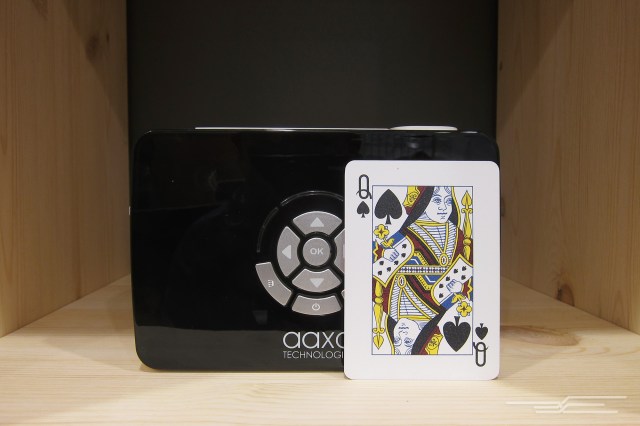
After 45 hours of research and hands-on testing with five models, we found the best pico projector is the AAXA P300. It’s bright enough for both dark rooms and those with some light, and it’s easier to position for a large image than its competitors. Plus, it has better contrast ratios, more inputs than other models, and an optional battery for use on the go. Other models might be more portable, but they won’t be as useful as the AAXA P300.
Who this is for
The AAXA P300 is small, making it easy to display content on a wall anywhere.
If you need to be able to show something to a group of people—or to host an impromptu movie night inside—a pico projector makes displaying content on a wall, anywhere, easy. If you own a pico projector but it isn’t bright enough or isn’t battery-powered, upgrading to our pick makes sense. If you have a projector but it’s too large to easily carry around, one of our alternate picks might make the most sense. Overall, a pico projector won’t replace a TV or a full-size projector, but it will work well for occasional use.
How we tested

Our tested models (clockwise from upper left): Brookstone Pocket Projector, LG PH300, Asus S1, AAXA P300, and ZTE Spro 2.
We evaluated each projector in the test group both objectively and subjectively. We took objective measurements using SpectraCal’s CalMAN software with a DVDO AVLab TPG test-pattern generator, an i1Pro 2 spectrophotometer, and a Klein K10-A colorimeter. Subjectively, we watched Blu-ray content and presentations (the latter using a MacBook as the source). We also tested with lights on and lights off, as a pico projector is more likely to be used with the lights on than a traditional projector.
Using an HDMI splitter, we could view the same content on two projectors side by side, an arrangement that allowed us to notice differences in brightness, color, image size, and overall quality more easily. When possible we made the image size the same, although with variable throw distances—and no zoom to make up for this fact—such an adjustment was often impossible due to space issues.
Our pick

The AAXA P300 is very bright with a good selection of inputs, and it can sit closer to the wall than other models.
With both movies and presentations, the AAXA P300 pico projector stood out from the competition, providing a very bright image from a short throw distance. It has the inputs you need, plus a speaker, a tripod mount, and a remote control, and an optional battery is available.
The AAXA P300 was the brightest of the projectors we tested. The manufacturer claims 400 lumens, but in our testing we measured 240 lumens (it’s common for the claimed brightness and the measured result to be different). This was still bright enough for us to project a 50-inch image with the lights on or off and have no trouble seeing it.
Contrast ratios determine how much pop an image has and are the detail your eye picks up on the most. The AAXA P300 has a very decent 813:1 contrast ratio, a figure almost four times higher than that of the LG PH300—combined with the bright image, the impressive contrast ratio helps the AAXA model truly stand apart from the other projectors in our test group. Plus, the AAXA P300 had one of the shortest throw distances of the projectors we tested, and unlike most pico projectors, it includes a remote.
Runner-up

The LG PH300 isn’t as bright as the AAXA P300, and it offers a worse contrast ratio, but it has more accurate colors, an integrated TV tuner, and longer battery life.
If you want a quieter pick or better color, the LG PH300 is the way to go. We measured it at 151 lumens, so it isn’t as bright as the AAXA model, and it has a longer throw distance, so the AAXA’s image will be notably larger from the same distance: From 5 feet away, the LG gives you only a 42-inch image while the AAXA produces a 58-inch image from the same location. However, the LG’s image is more accurate, with a neutral gray and colors that aren’t as saturated.
An ultraportable pick

The ASUS S1 is incredibly small and portable.
If you need the absolute smallest pico projector to carry around for business, the ASUS S1 is a good choice. It packs only 90 lumens, but it is much smaller than the AAXA or the LG, and it comes with a carrying case that shields it from damage while it’s sitting in your bag. Plus, its built-in battery can deliver up to three hours of use. It has a very similar throw ratio to that of the AAXA, so it produces a similarly large image from the same distance, but that image is not nearly as bright: In our tests, though it projected a 62-inch image from 5 feet away, the result was noticeably washed out, and text was somewhat difficult to read. The ASUS model is small enough for you to carry it around in your bag all the time without noticing it too much—something we can’t say about the AAXA or the LG—but you’ll want to use it with the lights at least dimmed due to its lower light output.
Wrapping up
After 45 hours of research and hands-on testing, we found the AAXA P300 is the best pico projector for most people. It’s bright enough for both dark rooms and those with some light, it’s easier to position for a large image than competitors, and it offers a better contrast ratio. If you want a quieter unit with better color (but less brightness), the LG PH300 is our runner-up. If you need a portable pick for business travel, the ASUS S1 is the way to go.
This guide may have been updated by The Wirecutter. To see the current recommendation, please go here.
 AIVAnet