


LG Optimus Black and LTE-equipped Revolution coming to CES
 LG is busily preparing its CES presentation area right now, where the well known Optimus 2X is being joined by a pair of intriguing new devices, the Revolution you see above, an LTE-connected handset that seems destined to ride Verizon’s minty fresh 4G network, and an Optimus Black (pictured after the break). The latter handset promises the “power of light” housed within an “innovatively slim smartphone with the best display clarity.” Both the allusions to slimness — we’ve found specs listing it as a 9.2mm-thick device with a 4-inch screen — and display prowess match up to the LG “B” device we’ve seen leak out previously, which LG itself promised will be launching at CES. Other details include Wi-Fi Directcertification and the world’s first two megapixel front-facing camera. It’s gonna be a fun week, to be
Sprint trots out HTC EVO Shift 4G and new 3G / 4G MiFi from Novatel
 It’s been leaked all over the place, but Sprint has just confirmed its second EVO: the EVO Shift 4G. The big new addition is obviously the slide-out keyboard, but otherwise, while specs are solid, there’s nothing as revolutionary as the original EVO. The Shift has a 3.6-inch 800 x 480 LCD, Android 2.2 (with HTC Sense), and the same great 800MHz Qualcomm MSM7630 processor that’s in the G2 and myTouch 4G. Naturally there’s WiMAX 4g, in addition to EVDO Rev A., and HTC hopes to keep those radios alive with a 1500mAh battery. There’s a 5 megapixel camera around back, capable of 720p video, but oddly no front-facing camera — something we assumed was part of the definition of EVO. The phone will be available on the 9th for $150.
Meanwhile, Novatel Wireless is cooking up its own WiMAX goodness, putting 3G and 4G in a brand new MiFi device, the MiFi 3G / 4G Mobile Hotspot. It includes a display for tracking status of the device, unlike Novatel’s 3G MiFis, claims 4 hours of active use and 60 hours of standby, and can share storage from its microSD slot with connected devices. It should be out on February 27th for $50 with a two-year contract.
Samsung Galaxy Player: Pre-order now for £150
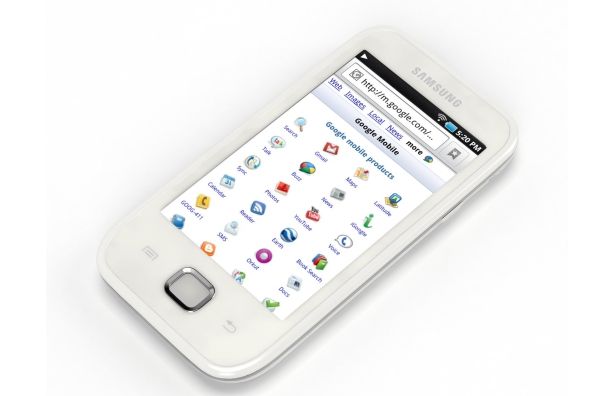 Amazon has opened its pre-order doors for the Samsung Galaxy Player, the Android 2.2 device that we first laid eyes on at IFA last year.
And with Sammy hoping that the Player will take on Apple’s touch screen PMP king, the iPod touch, the price point signals its intent.
Coming in at £40 cheaper than the 8GB iPod touch, the 8GB Samsung Galaxy Player may not have the retina display of its Cupertino rival but it does boast DNLA compatibility, a 3.2-inch TFT-LCD display, expandable SD card memory, and access to the Android market.
Basically, it’s a Samsung Galaxy S without the phone capabilities (in the same way that the iPod touch is a phone-less iPhone).
It’s got Wi-Fi on board and you’ll get 30 hours of audio playback or 5 hours of video from the 1000 mAh, replaceable battery.
It can handle an array of file types and video codecs including MP3, AAC, WAV, FLAC (lossless), WMA, OGG, AMR, MPEG4, H.264, H.263, WMV, DivX and Xvid.
There’s also a 16GB version available for £30 more, so if you’re thinking about video on the go, then you may want to fork out the extra.
The models from Amazon are white, and will be shipped when the Samsung Galaxy Player is released on 7 January.
VIA : pocket-lint
Official Specs for Sprint’s Evo Shift Announced

HTC is about to drop a new phone that we’ve been talking about for a while now. The Evo Shift is a slightly smaller version of the original Evo 4G, but with a QWERTY keyboard. If you’ve been following our site consistently, or following Android news in general, you’ve heard of the Evo Shift. It’ll be hitting Sprint’s sales avenues within the next week or two, and we’ve finally gotten a solid word on the actual tech specifications of the phone. When the Evo Shift lands, it’ll be sporting the following hardware:
Nexus S overclocked to 1.2GHz, runs too damn fast for its Bluetooth to work
 Even at its default 1GHz speed, Samsung’s Hummingbird is one of the finest mobile processor around, but are you really going to complain about getting the option to crank an extra 200 milion clock cycles out of it? Morfic over on the xda-developers forums has delivered a kernel permitting Nexus S owners to achieve just that, although he still has to fix an issue that disables the phone’s Bluetooth capabilities.Still, if you value ludicrous speed over wireless peripherals, the source link is your friend.
Toshiba announces unnamed Tegra 2-powered Android tablet, waits only for Honeycomb
 Let the Tegra 2-powered, Android Honeycomb tablet announcements begin! Apparently (andunderstandably) staying away from a Folio 2 moniker, Toshiba is kicking off CES with its new unnamed 10.1-inch Android tablet, and we have to say from our brief look at a non-working unit a few weeks ago, it may just have what it takes to stick out from the rest.. at least on the spec and manufacturing quality front. The tablet has a capacitive, high 1280 x 800-resolution display along with an accelerometer and ambient light sensor (or what Toshiba has dubbed as Adaptive Display technology). It also has a 5 megapixel rear camera as well as a 2 megapixel front-facing one. Yep, this one is well stocked and just a quick look at the pictures below will show that the slab has got full sized USB and HDMI jacks, a single mini-USB socket, and an SD card slot.
While we couldn’t turn on the dual-core Tegra 2-powered tablet, which will eventually run “the next version of Android designed for tablets” aka Honeycomb, we have to say the EasyGrip, spill-resistant, rubberized back felt really solid in hand and the 1.7-pound, .6-inch thick tablet felt comparable to the iPad in terms of portability. Oh, and did we mention that the aforementioned rear cover is swappable, so not only can you change its color but you can replace the battery? We told you it had some of the ingredients to make it go far, but we’re obviously lacking quite a bit of information here to make any further decisions. Toshiba’s maintaining that the tablet will be released in the first half of 2011 and the pricing will be competitive, but we’ll be digging for more when we get to Vegas and hopefully reporting back with some impressions of a working unit.
Archos 7 Home Tablet sees revision 2, with Android 2.1 and faster 800MHz CPU
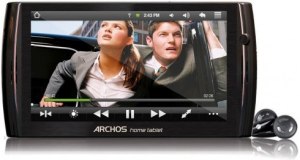 The Archos 7 Home Tablet was something of a disappointment, and Archos has shipped bigger and better things since, but the firm isn’t done with the original affordable Android slate quite yet. We’ve confirmed with Archos that a “v2” revision is now shipping in Europe with three things the original lacked — an accelerometer, a relatively recent version of Android (2.1) and an 800MHz Rockchip CPU. Make no mistake, those are still budget specs, and you’ll almost certainly still have to hack your own Android Market on to get a full quota of apps, but it’s not like you’re paying any more for the extra oomph. The updated version has been spotted at Expansys for the same $200, which might actually might make it one of the best bang-for-the-buck tablets out there. Look how far we’ve come.
Cowon D3 Plenue is an Android 2.1 based portable media player, looks pretty slick
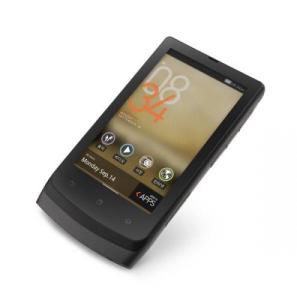 We got an email this morning about a new Android-based PMP, the first one running Android 2.1. Granted, it doesn’t look like it’s anywhere near stateside from the shots we’ve seen, but that doesn’t keep it from looking pretty awesome. According to the article sent to us, the Cowon D3 Plenue has:
- Android 2.1
- 800×480 3.7 inch AMOLED Display
- Bluetooth 2.1
- WLAN 802.11 b/g
- gravity sensor
- vibration feedback
- terrestrial DMB
- FM Radio
- E-Book
- Photo Album
- vocabulary
- More applications
The D3 Plenue will come in black and purple, with capacities of 8, 16, and 32 GB, along with a MicroSD expansion slot to rock your tune capabilities even further. Be sure to hit the break for a full gallery of pics, and let us know what you think in the comments
Dell Venue launched in Hong Kong
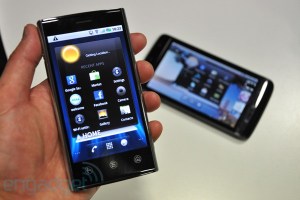 Isn’t it fun when you hit the right place at the right time? We just happened to be chillaxing in Hong Kong when Dell chose the city for the Venue’s global launch (and it’s actually hitting the shops slightly ahead of South Korea), so a quick hands-on is inevitable. As we’ve seen previously, this HK$3,999 (US$514) handset is essentially the Venue Pro’s Android 2.2 cousin sans, sporting the same curved (or “Shear Design”) vibrant AMOLED display at 4.1 inches and 800 x 480, but missing the slide-out keyboard. Under the hood lies a 1GHz Snapdragon with 1GB ROM and 512MB RAM, along with the usual microSD expansion, 1400mAh battery, 8 megapixel AF camera with LED flash, Bluetooth 2.3 EDR, WiFi and AGPS.
There aren’t any surprises in terms of software — the Venue shares the same snappy Stage UI and Swypekeyboard with the Streak, except for the lack of landscape orientation for the homescreen (and that’s with orientation enabled in system settings). As for hardware, the killer feature here is the screen, and we found its curved Gorilla Glass to be surprisingly nice for our thumbs while swiping across it. The AMOLED panel underneath is also vibrant with great viewing angles. Elsewhere, build quality is almost solid bar the squeaky battery door, but at least it provides some grip. That’s all we got for now — we’ll delve into more details in our forthcoming review, so stay tuned.
Motorola Milestone 2 review
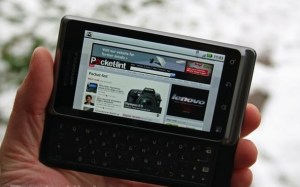 The Motorola Milestone 2 looks to build on the successes of its forebear namesake. For a time, the Milestone/Droid was pretty much the only high-end QWERTY Android device out there, until HTC threw their hat into the ring with the HTC Desire Z. Although there are lower-spec options, like the LG GW620 and Motorola’s own Dext, this is where the duel is drawn: HTC vs. Motorola, QWERTY keyboards at 20 paces.
The Milestone 2 is the half-brother of the Verizon Droid 2 which you’ll find in the US. The most significant change over the Milestone – aside from the new hardware – is the inclusion of Motoblur. Motorola told us this was in response to customer feedback, perhaps realising that pushing the Milestone 2 as a “business” device solely because it had a physical QWERTY keyboard no longer made sense. After all, aren’t business folk also social human beings?

