


BlackBerry update opens up Amazon App Store access for Android apps on all BlackBerry 10 devices
BlackBerry has revealed a pretty major software update for all of its BlackBerry 10 running devices. The build number carries version number 10.3.1 and brings in the BlackBerry Assistant, think Siri and Google Now. It also adds in a new feature called Blend that allows users to communicate via email, text, and other services while also […]
The post BlackBerry update opens up Amazon App Store access for Android apps on all BlackBerry 10 devices appeared first on AndroidSPIN.
Minima Pro Live Wallpaper review
Minima Pro Live Wallpaper is one of those apps that you didn’t know you needed until you have it. Then you cant imagine what you did before you had it. Well, that is if you are lover of wallpapers and customization. Live wallpapers come in all forms, from rotating cities to flying asteroids, but sometimes you just want a nice clean interface. Minima Pro Live Wallpaper accomplishes that and then some by providing you with over 70 different designs, the ability to customize your own and a cool 3D parallax effect.
Functionality
One of the first things that I noticed was just how clean and simple everything looked. Simple by no means being a negative thing. When you first open the app a theme is automatically chosen for you but you can go into the setting to where things get really exciting. The settings menu allows you to choose from over 70 different high quality prebuilt designs so you can get to actualizing that homescreen concept you have been meaning to create right from the get go. If you are feeling more adventurous then you can actually go and customize the prebuilt themes and change them to your liking. Don’t like that green circle, make it red. That yellow square not really calling out to you, make it purple. Heck, make it a triangle if you want. The options are endless! One of the really neat features that I liked was the ability to have the app randomly generate a theme and then have it change to it daily. So you can have a new unique wallpaper every day of the week and so forth.
Final Thoughts
Minima Pro Live Wallpaper is sure to be a welcome addition to any homescreen. With its high quality designs, its unique take on minimal wallpapers and the high level of customization, one would be hard pressed to find a reason not to give it a try. So head on over to the Play Store and download the app using the widget below.
D
(function() var script = document.createElement(‘script’);script.src = ‘https://stacksocial.com/widget.js?publisher=androidguys&type=editorial_post_widget_preferences’;script.async = true;var entry = document.getElementsByTagName(‘script’)[0];entry.parentNode.insertBefore(script, entry);)();
http://www.androidguys.com/pubgalaxy/728×90.html
The post Minima Pro Live Wallpaper review appeared first on AndroidGuys.

The Android paradox: lots of smartphones, little money

Smartphones are big business, but it doesn’t necessarily mean OEMs are making money off this massive platform. In fact, most companies are actually coming up short, with the exception of one major player. It was recently asserted that Apple is consuming around 93 percent of the smartphone industry’s profits, which doesn’t leave much space at the table for its competitors, mainly Android OEMs. Despite having the biggest market share of global smartphone shipments, manufacturers building phones based on Android are fighting for scraps. But why is this happening and how is Apple making so much money?
Despite having the biggest market share of global smartphone shipments, manufacturers building phones based on Android are fighting for scraps.
It all starts with the beginning of a device’s development. Unlike its competitors, Apple is pretty much a one-stop shop. Just about everything is being done in-house. The California-based tech giant produces its own software and only releases one to two new smartphones each year. This practice definitely keeps expenses down compared to rivals like Samsung and LG. Toss in some high margins and things start to become somewhat clearer.
So how can Android phone producers make the move from appetizer to entree? Here’s a few ideas that might help struggling OEMs earn a place on a more profitable menu.
Understanding the Problem

Unlike Apple, Android phone makers such as Samsung, LG and HTC use third-party software offered by Google. While Android is often referred to as a “free to use” platform, this age-old statement is only partially true. The platform’s core software can be installed and even changed by just about anyone, however this excludes the applications that make up Google’s Mobile Services (GMS). Apps such as Gmail, Google Maps and most importantly Google Play are attached to expensive licensing agreements. And while it’s not entirely clear how much these licenses cost, it’s estimated that they range from $40,000 to $75,000 depending on the number of devices being shipped.
Expenses such as GMS licensing, along with hardware production and the development of in-house software quickly drives up costs. Again, Apple only releases a couple of handsets each year, but a company like Samsung cranks out well over 15. Factor in annual marketing expenses for such a heavy roster of equipment and the opportunity to make some serious cash becomes even more elusive.
So What’s an OEM to do?

OEMs produce countless Android-powered smartphones each year, with hardware ranging from top-shelf to the bottom of the barrel. This approach covers just about every market, but it’s certainly not the most cost effective. In order to shake some of the unnecessary expenses that come with producing smartphones, companies need to drop the dead weight in their catalogs taking away from potential profits.
If the most profitable smartphone maker is only releasing a couple of phones each year, should its competitors really be countering with 10 to 15 different handsets? This definitely needs to change. Major companies like LG, Samsung, HTC and Sony need to pare things down to around four different phones or less each year. Just imagine if Samsung only released a Galaxy S6 and Galaxy Note 5 in 2015. This would drastically reduce the amount of cash being spent to market and produce unnecessary and (arguably) unwanted devices. Remember, even smartphones of the lowest quality require costly materials, production facilities and teams of people in order to be released.
Just imagine if Samsung only released a Galaxy S6 and Galaxy Note 5 in 2015.
Two phones a year may sound a bit extreme, but in addition to a lighter balance sheet, such a change in direction could result in better products being made. Instead of wasting resources and talent on a phone that will likely only receive one software updates during its lifespan, manufacturers could focus their efforts on providing the best equipment support possible.
Other Possible Workarounds

Another possible way that Android could become more profitable for OEMs would be the release of a platform like Google’s rumored Android Silver initiative. Under this program, Google would’ve paid OEMs and wireless carriers to sell handsets that adhered to Mountain View’s strict specifications. This meant near-vanilla builds of Android, with very little bloatware. In addition to handling the majority of OEMs’ software needs, Google was reportedly ready to invest as much as $1 billion to cover marketing expenses for Android Silver devices. The program was never formally announced and Google reportedly shelved it due to internal doubt about its ability to be successful.
Even if Google has placed such a promising idea on hold, it doesn’t mean OEMs can’t do something similar by themselves. For example, HTC is often praised for its first-class hardware, but the Taiwanese firm regularly struggles to make its smartphone business profitable. If the outfit retired its homegrown Sense software in favor of stock Android, it might prove beneficial for the company. Not just limited to HTC, this idea has the potential to work for any OEM funneling large sums of money into the development of its own third-party UI.
The Flipside

Since Android is a “free” open source platform, anyone can use it and modify it. This opens up opportunities for companies to produce their own mobile operating systems based on Android. Not exactly a new idea, startups such as Cyanogen Inc have already went this route, however it does come with a few tradeoffs. Remember those Google Mobile Services we talked about earlier? Due to licensing restrictions, Google-branded apps are absent from most official CyanogenMod releases. Without Google Play or a proper medium for users to purchase and acquire applications, alternative Android-based operating systems continue to struggle for relevancy.
Without Google Play or a proper medium for users to purchase and acquire applications, alternative Android-based operating systems continue to struggle for relevancy.
Not just limited to startups, corporate juggernauts like Amazon have used Android to power its Kindle tablet line. The biggest difference here is that the mega-retailer has managed to launch its own Appstore. Although it may not be as popular as Google Play, Amazon’s offering is one of the few alternative places to buy legitimate Android applications safely. Samsung also has its own Galaxy Apps store, which is currently restricted to its own devices, however the platform has yet to really catch on. Perhaps it will take more time, or even OEMs working together to produce a reliable Google Play substitute. But if such a thing came to fruition, smartphone makers would be able to explore more low-cost software ventures.
The Bottom Line

Android isn’t going anywhere, but its lack of profitability could cause major smartphone makers to notice alternative mobile operating systems. Samsung is already working on Tizen and Microsoft’s Windows Phone is another possible option for OEMs looking to diversify their portfolio.
In the meantime, manufacturers that decide to stick it out with Android will need to make adjustments to their current business models if they desire to operate for profit. I really think scaling back the number of devices released in a year is the best starting point and it’s really not that hard to do. But until this starts happening or Google pulls the trigger on Android Silver, OEMs are invited to a free all you can eat buffet, where cutlery sets cost $40,000 to $75,000.
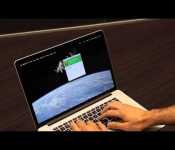
Pushbullet now lets users reply to Hangouts, WhatsApp, and others from PC
If you’re a user of Pushbullet, then the latest update brings about some good news to improve the functionality from a PC. You can reply to Hangout, Whatsapp, and other supported app notifications right from your PC desktop.
WhatsApp, Telegram, Hangouts, Facebook Messenger, and Line are currently supported and all you have to do is hit the ‘Reply’ button on the notification.
Drop us a comment below to let us know what you think of the update.
(function() var script = document.createElement(‘script’);script.src = ‘https://stacksocial.com/widget.js?publisher=androidguys&type=editorial_post_widget_preferences’;script.async = true;var entry = document.getElementsByTagName(‘script’)[0];entry.parentNode.insertBefore(script, entry);)();
http://www.androidguys.com/pubgalaxy/728×90.html
The post Pushbullet now lets users reply to Hangouts, WhatsApp, and others from PC appeared first on AndroidGuys.
Android Zodiac: notable Android events
Android has come a long way since its release. From the HTC Dream to the Nexus 6, everything has changed. To come so far, significant things have happened that have changed the Android world. To highlight some of these events that have occurred, I have created an Android Zodiac! Yes, I’m aware this is not the same as the Chinese Zodiac, and this doesn’t really say anything about those born in those years. If you’re looking for something like that, check out our article called “What does your phone say about you“. Anyways, let’s dive in.

2007: Year of the Open Handset Alliance
2007 was a big year in not only the Android world, but the technology world as a whole. This was the year that the first iPhone was announced, and when Google and 47 other firms announced the Open Handset Alliance that would lead to Android. The reason for this was to unite companies to “enable everyone in our industry to innovate more rapidly and respond better to consumers’ demands” by having an open operating system, Android. The SDK is available to everyone, and the goal is to have one standard among mobile phones. If you’re interested, you can even look at the website that was released for this here. Definitely a blast from the past! Anyways, it would be the Open Handset Alliance that would help make Android the most popular OS on the market.

2008: Year of the HTC Dream
In 2008, the very first Android phone was released: the HTC Dream. Also known as the T-Mobile G1, this was the first phone to showcase Android. This smartphone not only had a sliding keyboard, but it had a home screen you could customize, complete with a wallpaper and widgets. There was also a new notification system that displays the icon for an app in the status bar whenever there’s a new notification, and you can slide down from the top to view more details about the notification. There was also integration with Google services allowing access to Gmail, YouTube, and more. On top of all of that, it was backed by the OHA, Google, and a promise to have updates brought to it that would bring new features and bug fixes. This device would change how software is designed and implemented for devices everywhere. Another interesting thing about this is HTC would later be the first for other landmarks in Android. But more on that later…
2009: Year of the Android Wars
2009 was the year that most of the manufacturers we know in Android phones today started to make Android phones. Samsung, Motorola, HTC, Sony, LG, and more all threw their hat into the Android phone ring. HTC released four other smartphones after the HTC Dream; Samsung released the first Galaxy phone, along with three other phones; Motorola released three phones along with their first DROID, Sony released the first Android Ericsson phone, and LG released a phone. Below is a collection of some of the phones along with a link to their specifications.
Note: I may have missed a few devices. Please let me know what I’ve missed!
 Samsung
 Motorola
 HTC
HTC
 Sony
Sony
 LG
LG
2010: Year of the Nexus
In 2010, Google released their first in-house designed smartphone: the Nexus One. Once again, HTC was the first with something in the Android space, as they manufactured the Nexus One. The Nexus One was a phone released with an unlocked bootloader for developers to create and test software on a version of Android that was untouched by manufacturers. It was also designed by Google to provide an example of what it believes other phones should look like in terms of hardware. The phone was sold online by Google, eventually being available through carriers. Little did we know, this would open a world of expectations from Android geeks everywhere as each year we now await eagerly to see what Google will release in the next Nexus. The Nexus One also was the first phone with Android 2.1 Eclair, which is another precedent set by this phone.

2011: Year of the Modern Phone
2011 saw the introduction of a lot of aspects in smartphones that consumers have come to expect of their smartphone. Displays started getting bigger, the bodies started getting thinner, and keyboards started disappearing. Screen resolutions started becoming important, and design started to focus more on looking futuristic. 2011 saw phones such as the Samsung Galaxy S II, the first Samsung Galaxy Note, the first Motorola DROID RAZR, and the Motorola DROID BIONIC. HTC and LG started to up their game too. Companies who were a part of the Android world started releasing more and more devices, and companies that weren’t involved before started to get involved. Users started to expect more out of their devices. A lot of the things you see in your current smartphone likely resembles most of the phones that came out in 2011.
 2012: Year of the Samsung

Let’s be honest, 2012 was all about Samsung. Not only did they have almost 50 different models and refine their Galaxy Note in the much more successful Galaxy Note II, but they released their most successful phone ever: the Samsung Galaxy S III. The S3 turned out to overtake the Apple iPhone 4S and iPhone 5 in sales in Q3 2012, selling over 18 million units in Q3 alone. The design was different, its speed and fluidity was unprecedented, and Samsung had added features to Android through its TouchWiz UI (user-interface) that helped make the OS (operating system) more friendly. Again, the Galaxy Note II also did well, selling over 3 million units in under two months of its release. The Note II had improved on the first generation in almost every way, and can certainly be accredited for the rise in popularity of the “phablet”. Samsung was on fire, and at that time it seemed no other manufacturer could touch them.

2013: Year of the User
2013 was a big year for Android. After Samsung’s huge success in 2012, all the other manufacturers took a step back and realized they needed to change things, and focus on the user. LG released their very different LG G2, where the power and volume buttons were on the back. Sony released the Xperia Z series, where durability became a focus. HTC released the gorgeous HTC One (M7). Google/LG released the Nexus 5, which improved on the widely accepted Nexus 4. Motorola released the Moto X, which focused on genuinely useful features and consumer design, and the Moto G, which brought great functionality and speed to budget phones. In 2013, we saw a huge focus on the end-user, finally bringing Android as an ecosystem to the big leagues.

2014: Year of the Chinese
After all-around positive reception to Android devices in 2013, most manufacturers pretty much just improved on their previous flagships in small ways (which is not a bad thing). However, with little to no innovation, this made way for a new player in the Android space: Chinese manufacturers. Xiaomi especially, but companies like Huawei, Vivo, Oppo, THL, and OnePlus entered the smartphone race with some serious gusto. While most of these companies had already existed, their entries in 2014 gained a lot of attention, and money. OnePlus in particular with their very controversial invitation-only system garnered many headlines. However, Xiaomi was the company that often made a couple of entries onto lists of top-selling smartphones, such as this one. Essentially, manufacturers based in China proved that they were starting to get serious about making Android smartphones.

2015: Year of the Software Design
I know I know: 2015 has just started. So you can take this as my prediction for the big thing in 2015. Some say that it will be all about wearables; others say it will be all about phone displays. In my opinion, wearables still have a ways to go before it becomes mainstream, and curved displays can only do so much at their current state, especially considering how expensive they are to manufacture. With innovation in the hardware space becoming infrequent (except for Project Ara, but that’s not ready yet), there is really only one place left to go: software. And while new features in software are introduced all the time, I think that Android Lollipop has shown us that Android can look good. Pretty soon, iOS will not be the only pretty operating system, as more and more manufacturers adopt Lollipop; with manufacturers having their own UI skin they slap on their phones, they’ll recreate Lollipop a bit, but users are going to want the design to still be there, so there is going to be a lot of creativity in the software. Hopefully.
That wraps up the Android Zodiac! Let me know what you think 2015 will bring. Perhaps in a year, we can dig this post back up and compare and add-on what really happened.
(function() var script = document.createElement(‘script’);script.src = ‘https://stacksocial.com/widget.js?publisher=androidguys&type=editorial_post_widget_preferences’;script.async = true;var entry = document.getElementsByTagName(‘script’)[0];entry.parentNode.insertBefore(script, entry);)();
http://www.androidguys.com/pubgalaxy/728×90.html
The post Android Zodiac: notable Android events appeared first on AndroidGuys.

NBC is streaming live to iOS and Android, but not ‘Everywhere’

ABC was the first big network first out of the gate with a 24/7 live streaming app, but CBS and now NBC are close behind with their own versions. NBC rolled out “TV Everywhere” streaming on its website in December, and tonight it’s pushed upgrades on Android and iOS that bring the network channel directly to mobile screens — but only if you have a participating cable or satellite provider’s login. Even that’s not enough, unfortunately, since it’s only available in areas where NBC owns the local station. Where I live the affiliate (WDIV) is owned by someone else, so the feature is not available until the two parties work out some kind of arrangement.

There is, however, an expanded video on-demand library including a new classic section stocked with The A-Team, Miami Vice, Knight Rider and a few others to go along with full episodes and clips of currently airing stuff (all the ones we watched had ads inserted, FYI). The apps work on tablets and phones for either platform with streaming over WiFi or mobile connections, and on iOS it has support for AirPlay (there’s nothing about Chromecast, yet). We’re checking with NBC about any other features, but for now you can check the App Store and Google Play to download them.

Filed under: Home Entertainment, HD, Mobile, Apple, Google
Source: iTunes, Google Play
Droid Turbo review
Motorola Mobility has changed quite a lot over the past few years. From becoming a spin off of Motorola in 2011 to being bought by Google some short months later to being sold to Lenovo just this year. Amidst it all though Motorola has remained one of the strongest players in the mobile industry by proving that to make an awesome phone you don’t have to reinvent the wheel.
The Droid Turbo is one of the fruition’s of this effort and it stands out against its competitors with shining colors. What some are calling a more beefed up version of the Moto X, the Droid Turbo is an awesome phone with impressive specs, stunning build quality and fantastic performance.
Design

Let’s start off with the most obvious aspects of the phone, the design. Straight out of the box the first thing I noticed was the lack of carrier branding on the front which, to me, is a great bonus. I hate having to stare at branding when I am trying to use my phone and a nice clean surface is always a plus. With that said there really is nothing on the front other than the small camera on top, the speaker and the bottom where you will find the capacitive keys. I was slightly disappointed that they opted to use capacitive keys instead of software keys but that is by no means a deal breaker. Other than that the front of the Droid Turbo has nothing to detract from the screen as a phone should and it helps it maintain a modern sleek look.
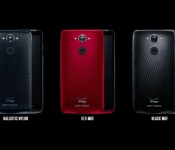
Switching over to the back you are greeted with the iconic Kevlar back that Motorola introduced a couple of years back. This time around you get the ability to choose between Ballistic, Red MGF and Black MGF. I must say that I have always been a fan of the design of the Kevlar reinforced back plate and just holding it in my hands, I know that I am holding a high quality device. The camera is fitted on the top middle with dual flash separated on either side. On the bottom you do finally get to see some branding with the Verizon and Droid logo on the bottom but they maintain a small footprint and do not detract from the overall design of the device.
Software

When you first turn on the phone you are greeted with a stock Android experience. This has been Motorola’s take on the UI for the last few phones they have made and it is still a welcome addition. One of the first things I noticed was just how smooth everything felt. Animations were fluid, apps opened up quickly and changing screen was silky smooth. This could all be due to the fact that the Droid Turbo is quite a beast when it comes to specs and coupled with the stock Android UI, there is nothing to slow it down.
Where the Droid Turbo really stands out are the new software features that Motorola’s has built into it. You most likely are already familiar with the hands free features that Motorola introduced with the Moto X and all that and more are present here on the Droid Turbo. You can wake up the phone and give it commands by using your phone. Hand gestures can snooze or silence the phone if it is face up. The niftiest feature though is the ability to see if you have a notification by just picking up the phone. This does of course affect battery life but with the huge battery the Droid Turbo has it shouldn’t be an issue. One new feature that was recently introduced is the Zap ability of the Droid Turbo. What this basically allows you to do is send files and images to other Zap uses for fast access. You can do so publicly or using a secure pin. Again, nothing revolutionary but a welcome addition nonetheless.
Battery
The Droid Turbo comes with a 3900 mAh non replaceable battery. While a battery this size is not unheard of by any means it usually only comes in the latest trend of “phablet” phones. Motorola states the battery will net you up to 48 hours of battery life, or two full days, but I found it to be more of a day and then some. During my test drive I took it on my usual smartphone routine which consist of lots of Buzzfeed videos, checking the news periodically and streaming music. The phone lasted me all day and I didn’t have to charge it until late the next day. So I believe the 48 hours are feasible but only for light to medium usage.
Camera
Camera wise, the Droid Turbo has a 21 MP front shooter and 2 MP rear shooter. I was able to take some decent photos but nothing that is going to win any awards. It performed as a smartphone camera should though and was on par with other flagship phones except for the Galaxy S5 which did take better stills. The video quality was also good and I had no issues taking a video of my little brothers soccer game to showcase later. Nothing more than can be said in this department other than it is a smartphone camera and that’s how it performs.
Performance
The Droid Turbo performs brilliantly due to the combination of the great hardware and the fact that it runs stock Android. I loved how everything just felt smooth and fast. The main apps opened up quickly and after I finished downloading all my usual apps non of them lagged one bit. If you want a great performance and just want things to work smoothly then the Droid Turbo definitely does not disappoint in that area.
Final Thoughts
After having the opportunity to write this short review on the Droid Turbo I honestly have to rethink about stitching over to it. I already have a great smartphone but with the great build quality, awesome performance and just overall ease of use of the Droid Turbo it is hard for me not to want to do so.
Specifications
- Operating System: Android 4.4.4, KitKat
- Processor: Snapdragon 805 2.7 GHz quad-core
- Ram: 3GB
- Storage: 32 or 64 GB
- Camera: Rear 21 MP, Front 2MP
- Display: 5.2″ AMOLED
(function() var script = document.createElement(‘script’);script.src = ‘https://stacksocial.com/widget.js?publisher=androidguys&type=editorial_post_widget_preferences’;script.async = true;var entry = document.getElementsByTagName(‘script’)[0];entry.parentNode.insertBefore(script, entry);)();
http://www.androidguys.com/pubgalaxy/728×90.html
The post Droid Turbo review appeared first on AndroidGuys.

HTC One M9 vs Samsung Galaxy S6 – concepts compared
With the next two flagship devices just around the corner from HTC and Samsung, inevitably the renders of what fans believe the next devices will look like start to surface; so let’s compare them.
The concepts represent what the HTC One M9 and the Samsung Galaxy S6 could look like, as suggested by the various leaks we’ve heard, together with some imaginative creativity.
HTC One M9
The new device from HTC retains a similar back to what the current One M8 has, but brings a more curved smoother look to the front, together with slimmer bezels. The concept oozes premium look and feel, opting for a curved back and two-toned chassis coloring.


Samsung Galaxy S6


Picture the HTC One M9 against the Samsung Galaxy S6 and the premium design of the HTC definitely shines trough, as well as those thin bezels. However, the Samsung Galaxy S6 seems to have borrowed the chassis from the iPhone 6 with the design looking very similar to the Apple competitor.
The Galaxy S6, One M9, and iPhone 6, look more similar than ever in these concepts, with design influences easily seen shared across devices.
With that said, there is very little to complain about if this really is what the One M9 and Galaxy S6 end up looking like, because I really like them; however, let us know what you think of the renders in the comments below.
(function() var script = document.createElement(‘script’);script.src = ‘https://stacksocial.com/widget.js?publisher=androidguys&type=editorial_post_widget_preferences’;script.async = true;var entry = document.getElementsByTagName(‘script’)[0];entry.parentNode.insertBefore(script, entry);)();
http://www.androidguys.com/pubgalaxy/728×90.html
The post HTC One M9 vs Samsung Galaxy S6 – concepts compared appeared first on AndroidGuys.
High fives and fist bumps, here’s Google’s latest Android commercial

Android has been the focus of Google‘s latest string of TV commercials. Starting with Androidify characters on a bus back at the announcement of Android 5.0 Lollipop through to a more recent spot filled with a handful of cute animals, big and small, in unlikely friendships.
The latest Android commercial hit just recently. Foregoing the cartoons and animals, Google shows off a collection of impressive, and sometimes dorky, human interactions, all centered around the high five.
In the one minute spot, handshakes and fist bumps are performed with skill, careful planning, a lack of careful planning and even a total lack of skill. All in all, the message remains the same, “Be together. Not the same.”
No products in sight, no insights into the future, just good old fashioned fun. If the video did not load above, head on over to Google’s YouTube channel for Android to see them all in action.
Which Android commercial is your favorite so far?
Study says Android 4.0 and iOS 8 are most likely to crash your apps

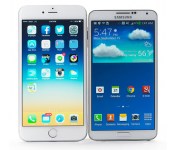
Ever had the feeling that certain phone operating systems are more likely to crash your apps than others? It’s not just you. Crittercism has posted its latest breakdown of crash reports from about 20,000 apps, and it’s clear that certain operating systems aren’t as friendly as others. On Android, Ice Cream Sandwich (4.0) is most likely to wreck your day; KitKat (4.4) is close behind, while Lollipop’s early reputation for glitches apparently doesn’t affect apps. With Apple devices, however, the tables turn. While iOS’ app crash rate is lower overall, iOS 8 is a bit more problematic than its predecessor. That’s not surprising given that Apple hasn’t had as much time to tackle issues in 8, but you may feel better if you’re still holding on to 7.
Don’t be too quick to brag about your choice of platform. The stats say a lot about app stability, but they don’t tell the story of your operating system. A rock-solid social networking client doesn’t matter much if basic Android or iOS features are breaking down. Also, the info may be skewed by the number of active users. It’s hard to know how reliable Lollipop will be in the long run when only a small slice of Android devices are running it, after all. If nothing else, Crittercism’s figures show that stability doesn’t consistently improve or deteriorate — sometimes, it varies from release to release.
Photo by Will Lipman.
Filed under: Cellphones, Mobile, Apple, Google
Source: Crittercism
 AIVAnet