


Apple Begins Selling Danalock V3, First Retrofit HomeKit-Enabled Smart Lock Available in Europe
Danalock today announced that the HomeKit version of its Danalock V3 smart lock is now available for purchase from Apple’s website and retail stores in more than 20 other countries across Europe, after limited availability in April.
Danalock V3 is said to be the first and only retrofit smart lock compatible with Apple’s HomeKit platform and Home app in Europe. Like the August Smart Lock, it is mounted on the inside of the door, enabling users to use a regular key for locking and unlocking the door from the outside if needed.

HomeKit support means users can control the lock with Siri voice commands or the Home app using an iPhone, iPad, or Apple Watch, without needing a physical key. Through the Home app, it’s also possible to give keyless access to family members.
For added convenience, users can connect the Danalock with other HomeKit accessories, such as cameras, lights, thermostats, switches, and security systems.
Apple’s online store notes that the Danalock V3 is easy to install and globally compatible, with an adjustable cylinder set included in the box in countries outside of Scandinavia. It is battery powered and uses advanced AES-256 encryption.
Danalock V3 with HomeKit is available at select Apple retail stores in Austria, Belgium, France, Germany, Italy, the Netherlands, Spain, Sweden, the United Arab Emirates, and the United Kingdom. It’s also available on Apple’s online store in more than 20 countries in Europe and on Danalock’s website.
Pricing: £219.95 in the United Kingdom and €249.95 in most other European countries.
Tags: HomeKit, Europe
Discuss this article in our forums
HomePod Can Now Read the News in Canada, France, and Germany, Where Sales of the Speaker Begin Monday
Ahead of the HomePod launching in Canada in three days from now, the speaker has gained the ability to read the news in that country.
Siri can now provide news briefs from a handful of sources in Canada and abroad, including CBC, Global TV, CTV, and CNN. To start, say “Hey Siri” and then say something like “read me the news” or “what’s the news today?”
MacRumors reader Pedro Marques, who lives in Toronto, Canada, shared a demonstration of the feature with us today:
Until now, the HomePod was unable to read the news in Canada, as the speaker has yet to officially launch in the country.
Apple previously announced that HomePod sales will begin in Canada, Germany, and France on Monday, June 18. The speaker will be available to order in white and space gray through Apple’s online store, retail stores, and the Apple Store app on iPhone and iPad, and at select authorized resellers, including Best Buy.
The speaker will be priced at $449 in Canada, and €349 in Germany and France, according to Apple’s online store.
HomePod first launched in the United States, United Kingdom, and Australia in February. Of course, Canadians could simply drive south of the border, purchase a HomePod in the United States, and bring it back to Canada, where it worked fine, beyond a few features like news that are now being added.
Late last month, Apple pushed a software update to the HomePod that enables Siri to speak in French, German, and Canadian English. Apple notes that Canadian French will be added later this year in a subsequent software update.
In related news, Apple’s TV app recently gained live news in Canada. CBC News is available for free, or $4.99 per month without ads, while CTV News Go is offered through authentication with a cable provider like Bell or Rogers. Other options include CNN, BNN Bloomberg, and online news network Cheddar.
Related Roundup: HomePodTag: CanadaBuyer’s Guide: HomePod (Buy Now)
Discuss this article in our forums
Apple Park’s office setup aims to keep workers on their toes
Considering Apple boss Tim Cook once described sitting as “the new cancer,” it’s little surprise that workers at the company’s new Apple Park campus have been given standing desks to work at.
“We have given all of our employees, 100 percent [of them], standing desks,” the CEO revealed in a recent interview broadcast on Bloomberg TV.
“If you can stand for a while, then sit, and so on and so forth, it’s much better for your lifestyle,” Cook said.
Various researchers have been saying for years that sitting for long periods of time can cause health problems in both the short and long term, including everything from painful back problems to obesity to a range of chronic diseases.
Keen to avoid a workforce of grimacing employees holding their backs or taking time off for medical treatment, Cook has decided to introduce standing desks to Apple’s offices to give workers the opportunity to switch from sitting and stay a little more active.
Cook has commented in the past about how sitting for long periods may result in health issues further down the line. The CEO said that many employees who have an Apple Watch use its “stand reminder” feature, which, at regular intervals, prompts you to get up and walk around a little bit.
“Ten minutes before the hour, it will remind you to move,” Cook once said. “We have a lot of people using the Apple Watch at Apple, and 10 minutes before the hour, suddenly they all get up and move.”
It’s rare for Apple to give anything away about what goes on behind the scenes, with the company famous for wanting to keep most aspects of its business very much behind closed doors.
Speaking of closed doors, pretty much the only other thing we know about its stunning new “spaceship” campus is that some of its workers, perhaps while taking a break from sitting or standing, have been walking into all-glass doors and walls. The accidents were brought to light by Bloomberg just months after Apple Park opened, with the publication of transcripts of several 911 calls appearing to confirm the reports.
As for staying on your feet at work, a study published earlier this year suggests that prolonged standing can also harm a person’s physical health, suggesting that the key is to switch regularly between sitting, standing, and walking throughout the day whenever you have the chance.
Editors’ Recommendations
- Virginia, North Carolina could be tech hub as Amazon, Apple consider campuses
- Apple Music hits 50 million users, doubles down on original content
- Apple and Volkswagen are reportedly partnering to build self-driving vans
- Apple neglects Macs on second-quarter earnings call, again
- The best Apple Watch faces
Is Microsoft building checkout-less store technology to take on Amazon Go?
Microsoft is developing technology for checkout-less stores similar to Amazon Go, and the computer giant is also in talks with Walmart about a possible partnership.
The revelation comes via a Reuters report, which said that a team of between 10 and 15 Microsoft engineers have been working on developing technology capable of tracking what shoppers put into their bags as they make their way around a store. One of the team members is reportedly a computer vision specialist hired from Amazon Go.
Amazon opened its first “grab-and-go” store in Seattle in January, with new ones expected to be opening soon in Chicago and San Francisco.
Like Amazon Go, Microsoft’s technology would track shoppers as they make their way around a store, automatically processing customer selections. When they’re done, they can walk straight out of the store without stopping by a checkout, with the payment taking place automatically online.
Multiple sources claiming to have knowledge of the matter told Reuters that Microsoft is already showing its in-store technology to retailers around the world, suggesting that it’s already well advanced.
Part of Microsoft’s setup apparently involves cameras attached to shopping carts that would monitor a shopper’s selections as they move around the store.
Amazon Go uses an array of cameras, sensors, and artificial intelligence technology to track each item that a customer places in their bag. It’s so clever that it even knows when you put an item back on the shelf, should you change your mind during your shop.
Reuters’ report noted that there’s no known launch date for Microsoft’s technology, adding that there’s a chance it might not even see the light of day. Current challenges include making it not only failsafe, but also cheap enough that retailers will actually want to use it.
It’s not clear if Microsoft’s system is confined to the shopping cart or requires additional sensors around the store, but the need to make it cost effective suggests it’s working on a platform that’s less complex than Amazon’s.
Walmart Go?
Soon after Amazon embarked on its ambitious project to build a delivery drone platform, Walmart revealed its own plans for a similar system. With that in mind, it’s little surprise that the retail giant is now believed to be in talks with Microsoft as it apparently eyes the launch of its own checkout-less stores.
But if Microsoft is able to create an effective technology, it could potentially sell it to multiple retailers, enabling it to take on Amazon and transform the way we shop at brick-and-mortar stores.
Amusingly, many Amazon Go shoppers have been commenting on how the experience leaves them feeling a bit like a shoplifter. Find out how it went for Digital Trends when we visited the first-ever Amazon Go store in Seattle soon after it opened.
Editors’ Recommendations
- Amazon Go: Checkout-less store heading to two more cities
- Amazon Go customers are still adjusting to the grab-and-go model
- Walmart to end its grocery delivery partnerships with Uber and Lyft
- You have to get an invite for Walmart’s personal shopping service, Jetblack
- Microsoft explains the past, present, and future of the Xbox Adaptive Controller
Why Mastercard is ripping a page from Bitcoin’s book
Mastercard
(in)Secure is a weekly column that dives into the rapidly escalating topic of cybersecurity.
Blockchain, the technology behind Bitcoin, has captured the interest of everyone from Facebook to Microsoft. One of the biggest investors in the technology has been Mastercard, holding nearly thirty blockchain patents to its name.
What does a company like Mastercard want to do with all that blockchain tech? It wants to make the future of money look a bit more like Bitcoin.
Stopping the skimmers
According to the ATM Industry Association, two billion in losses from credit card “skimming” occur each year around the world. Using a skimming device at places like gas stations and ATMs, thieves can easily steal credit card information from those who previously used it. While chip cards have done a lot to solve that problem, companies like Mastercard always need to stay one step ahead of hackers.
“Utilizing blockchain technology, Mastercard will be able to eradicate many of the fraudulent activities”
“Every year, billions of dollars are stolen through identity theft and skimming credit cards,” said Arran Stewart, an expert on blockchain from Job.com, told Digital Trends. “Utilizing blockchain technology, Mastercard will be able to eradicate many of the fraudulent activities that happen through the abuse of their card services.”
Stewart is the co-owner of the recruitment platform Job.com, which implements a smart contract on the blockchain to facilitate private information, not unlike how Mastercard proposes to do it.
Mastercard’s patent would put credit cards on a publicly-accessible blockchain, which can then verify payments in a secured fashion. Stewart explained that Mastercard could remedy the problem by encoding an image of a payment card to the blockchain and then encrypt it with a public and private key. Once the payment is finished, the system decrypts the card image using those private keys.
Mastercard
Despite blockchain’s many demonstrated use cases, its application in finances have always been important. It’s the backbone of how a cryptocurrency like Bitcoin functions — a public database that allows the currency to exist without direct oversight from a single entity, known as a “distributed ledger.”
However, Mastercard’s interest in blockchain goes far beyond this single patent. In fact, the company is one of the largest holders of blockchain-related patents in the world.
Blockchain money
In the last few months, Mastercard has created a program that allows developers to build new applications on top of its own set of APIs. That helps Mastercard work closer with companies like PayPal and Apple and opens interesting new opportunities that take blockchain even further.
Consider the tourism and hospitality industry. Mastercard has developed a platform that would let travelers to plans and personal information privately, and then reap the reward of finding the best deals for their trip.
Mastercard has created a program that lets developers build new applications on top of its own set of APIs
“Mastercard has recognized the value in the travel industry and are providing a platform that allows holidaymakers/travel seekers and others to tell the tourism world where they wish to go privately through blockchain encryption,” said Stewart. “Airlines, travel companies, hotels and many others will be able to bid to offer that user the best possible price and service over other competing bidding providers, all powered on Mastercard’s blockchain.”
It’s a fascinating idea, but tourism is only the tip of the iceberg. Mastercard has a number of applications, from sending money, to setting budgets through voice assistants, paying employees instantly and securely, and, most interestingly, something it calls “proof of provenance.” It’s a way of creating a transparent supply chain that both consumers and wholesalers will have access to. That could help both restaurants and ordinary people keep track of where the food on their plate comes from.
“Transparency in the supply chain has been something that consumers and wholesalers have been looking for since supply goods began,” said Stewart. “Proof of provenance is the future of knowing where and how goods and services reach the hands of the consumer. Blockchain will be the backbone of this and one major example of this being put into practice will be Amazon utilizing this technology to provide evidence of the supply of their goods. This technology will also reduce loss, damage, theft and time to deliver within any supply chain.”
Mastercard
Obviously, Mastercard isn’t the only financial company developing new technology on the blockchain. Competitors like Visa and American Express aren’t far behind, and both have numerous secured patents in the blockchain world. Despite the fact that Mastercard is ahead of the pack, Visa patented a “digital asset network” based in blockchain in August of last year. What it’ll do with these patents is still unclear, but it seems Mastercard won’t be the only player in the game.
While we shouldn’t expect financial institutions to embrace cryptocurrency anytime soon, it’s clear our money is going to function a lot more like Bitcoin than dollar bills in the future.
Editors’ Recommendations
- Is there horse in your hamburger? How blockchain could fight food fraud
- Before crypto nirvana, blockchain needs to solve these basic problems
- The best songs about money
- The best money-transfer apps for Android and iOS
- How to buy Bitcoin
Samsung has booked the Gear S3 into this flash hotel, and it’ll never leave
Julian Chokkattu/Digital Trends
Wearable technology isn’t only about tracking steps and buzzing notifications, it’s also a very effective way of increasing productivity, and the Viceroy Hotel Group is about to make the most of its potential. If you’re lucky enough to visit one of Viceroy’s upmarket hotels in the near future, staff around you may be wearing a Samsung Gear S3 smartwatch; but it won’t be for personal messages, it’ll be for messages that help the hotel run faster and more smoothly.
Viceroy will be the first hotel to use a combination of the Gear S3 smartwatch and hotel management platform Alice, as a way to connect staff with guest requests. It’s a subtler, quieter, and quicker system than the well-established walkie-talkies that many hotel workers carry around all day. Hotels are generally big places, and keeping everyone connected together is a serious challenge.
How will it affect you, as the guest? Imagine you’ve just arrived and are headed up to your room, with baggage left in the lobby ready to follow. The reception desk can instantly send a message to a colleague, which appears on their watch as a notification. If they’re not available, its a single tap to let reception know, or another tap to confirm they’ll be along to take the baggage up in a moment. It’s possible alerts could then be automatically placed on the TV screen in your room to tell you the bags are on the way up. Everyone in the process is kept informed, with the minimum of intrusion for all concerned, and the service is completed quickly.
The hotel group will use Gear S3 smartwatches with an LTE connection, ensuring that even if the member of staff is out of Wi-Fi range the watch will still operate, and negate the need to carry around a connected smartphone too. The usefulness goes well beyond carrying bags around. It’s an essentially hands-free system, and because it’s attached to your wrist it’s harder to lose, plus it’s expected to speed up attentiveness too.
Working with Samsung, the Alice software group will demonstrate the system at a conference on hotel technology later this month, and the Viceroy Hotel Group will be the first to use the final product. For the rest of us, we’re looking forward to the Samsung Gear S4, Samsung’s follow-up to the Gear S3, which we expect to launch after the summer, potentially alongside the Galaxy Note 9.
Editors’ Recommendations
- The only guide you need to get started with Google’s Wear OS
- The best smart luggage
- Electronic locks in over 40,000 hotels worldwide compromised, says security firm
- What is USB OTG? Here’s how to use USB drives and more on your Galaxy S9
- The best Wear OS apps
Rebble is exactly what you need if you don’t want your Pebble watch to die
Support for your Pebble smartwatch will end on June 30. That means from the end of this month the app store will close, the voice recognition feature will break, and mobile app updates and a lot more won’t continue. Your watch will still work, but most of the things that make it great will no longer exist. We know this for sure because FitBit, which acquired Pebble, told us the end date at the beginning of the year.
However, there is an alternative — and we’re not talking about buying a different smartwatch. Rebble is an unofficial spinoff of the Pebble platform, and aims to offer most, if not all, the services you’re enjoying on your watch after the Fitbit-imposed June 30 deadline. That means continued mobile app support, an operating application store, and firmware updates. Everything you need to keep your Pebble in good, working order.
To take advantage of this, Pebble owners will have to switch over their Pebble accounts to the Rebble Web Services manually. Rebble is unofficial, and while Fitbit has apparently been helping them out, it won’t automatically migrate anything over. You’ve got to do that yourself. Following its last business update in February, Rebble now has its user accounts ready to go, and with only a couple of weeks left before the deadline, you’ll have to act fast to save your Pebble. Once the June 30 date passes, it’ll be too late.
It’s simple to do. Rebble has its own authorization site, where you sign-in and link your existing Pebble account to Rebble’s service, and that’s about all for now. Rebble’s app isn’t ready to go, and it’s not possible to switch over to the Rebble servers yet either. However, if you don’t complete these steps now, you won’t be able to in the future. Rebble warns that even when its service is up and running after the Fitbit shutdown, not everything will be in place and working. It’ll take time to get some of the more complicated features to an operational state.
Rebble will provide a basic Pebble watch service for free, but a monthly subscription will be used to access dictation and weather services. Costs will be announced in the future. Lending support to Rebble’s cause is Pebble CEO Eric Migicovsky, who alerted Pebble owners to the pressing need to sign up with Rebble through his Twitter account.
Rebble is great news for the vibrant and dedicated community that still exists around Pebble; but if you’re considering a new smartwatch instead, there are a few very cool alternatives out there that may tempt you away.
Editors’ Recommendations
- How to download the data Apple has about you
- The best unlocked phones you can buy
- Here is everything you need to know about the Fitbit Versa
- Everything you need to know about Samsung Pay
- Google’s Play Movies and TV app tells you where to stream your shows
Ultimate Ears’ Boom 2 Bluetooth speaker drops to just $75 in various colors
Blast your music everywhere you go.

Amazon has a variety of UE Boom 2 Bluetooth speakers on sale for just $74.99 today, which is the lowest price we’ve ever seen on this popular speaker. Most of these colors have never seen a price drop from the original $199.99 price tag, so if you like any of them you’ll want to grab one quickly, since this is a one day deal. The discount is available on the Deep Radiance, Origami, Panther, and Serendipity Blue color configurations.
The UE Boom 2 speaker sends sound out in all directions (360 degrees) and has a deep bass to keep the party pumping. It’s waterproof, shockproof and can even connect with the Echo Dot so you can voice control it via Amazon’s Alexa. The coolest thing about this speaker is that it can be wirelessly connected with over 150 other Boom 2 speakers to really crank up the volume. It features a 15-hour battery life and a Bluetooth range of 100 feet.
At this price, this is definitely one of the best Bluetooth speakers you can get, so don’t miss out.
See at Amazon
Modern Dad does the Amazon Echo Dot Kids Edition
It’s an Echo Dot — you know, for kids!
Does a kid need an Amazon Echo Dot? And if so, does a kid need a grown-up Echo Dot? Or an Echo Dot Kids Edition? Or does a grown-up need a kid to have a Kids Edition more than a grown-up edition?
These are the questions we parents struggle with. Well, that, and what’s for dinner.
But today it’s all about the Amazon Echo Dot Kids Edition. It is, for all intents and purposes, an Echo Dot, just like it’s always been. Only now it has a cool little case. That seems silly, I know. Why does a 3-inch speaker need protecting? All I can say is you’ve never met my sweet little daughters — and that it’s also more about whatever it is that might get knocked onto the Echo Dot than it is the Echo Dot doing the knocking.
More interesting with this more-expensive Echo Dot — it retails for $79 but we’re already seeing it for $69 — is that you get a year’s worth of Amazon Free Time, for free. (Well, rolled into that more-expensive price.) That gets you access to all kinds of kid-friendly content, and some parental controls that you kids might or might not find a workaround for. (My money’s on the kids, though.) That in and of itself pretty much makes up the difference.
But what it doesn’t do is answer our original question. Does a kid need an Echo Dot? And in that case, does a kid need a kid-friendly Echo Dot?
That one’s on you to answer.
Amazon Echo Dot Kids Edition ($79)

See at Amazon
The Amazon Echo Dot Kids Edition is just like any other Echo Dot. It’s got a small speaker. It’s got Alexa. And this one comes with a kid-friendly case, access to loads of kid-friendly content, and has parental controls to keep the kid from having too much fun with it.
It’s not a bad deal, if only for the kid-friendly books and music and games and stuff. But if they’re on the cusp of being a mini-grownup instead of an oversized baby, you might just save some cash and go for the real deal.
Modern Dad
- Subscribe on YouTube
- See the gear
Subscribe to the Modern Dad newsletter!
Nokia 6.1 2018 review: Delivering value in simplicity
The Nokia 6.1 is durable, fast, and receives timely updates. You can’t ask for more from a $269 phone.

Nokia’s comeback tale is one that’s filled with nostalgia, lofty goals, and a few missteps. The brand managed to carve out a niche for itself thanks to its focus on timely updates and no-nonsense design. Those principles worked for Nokia in the past, and are now allowing HMD to become a player to contend with in the Android space.
The Nokia 6 was the first device that kicked off Nokia’s resurgence, with the device making its debut in China last February. There was considerable excitement around the device, but it failed to live up to those high expectations, mostly because of an underwhelming Snapdragon 430 that wasn’t able to keep up with the Full HD display.
For the 2018 refresh, HMD is making a few key changes, chief among them an upgraded chipset. The Nokia 6.1 2018 is powered by the beefier Snapdragon 630, and offers Bluetooth 5.0 as well as a USB-C port. There’s no dearth of budget phones in markets like China and India, but HMD’s focus on an uncluttered software and fast updates has allowed the brand to stand out from the likes of Xiaomi, Honor, and even Motorola.
In short, the Nokia 6.1 2018 is one of the best phones you can buy today for under $300.
Nokia 6.1 2018
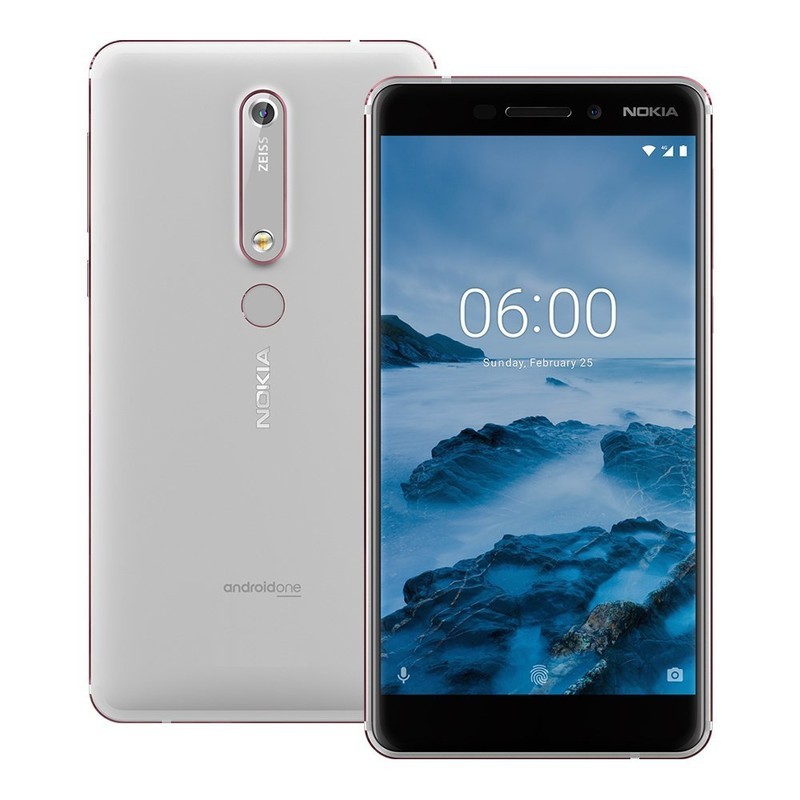
Price: $269, £229, ₹16,500
Bottom line: The Nokia 6.1 retains the same build quality as its predecessor, while offering an upgraded chipset with much better performance, fast charging, and USB-C connectivity.
Pros:
- Durable chassis with outstanding build quality
- Clean software and timely updates
- All-day battery life with USB-C charging
Cons:
- Average camera
- 16:9 display
See at Amazon
About this review
I (Harish Jonnalagadda) am writing this review after using the Nokia 6.1 for over a month in Hyderabad, India. The device was connected to Jio’s 4G network, and received a few security updates during the course of the review. The phone was provided to Android Central by HMD India.
Nokia 6.1 2018 Full review
Nokia phones of old were legendary for their durability, and the brand is trying to infuse the Nokia 6.1 with the same characteristics. Of course, given that there’s a large glass screen up front means the phone isn’t going to be as rugged as the 1100 or the 3310, but HMD has designed a chassis that can take a beating.
The Nokia 6.1 is milled out of series 6000 aluminum, and you can feel that the phone is built to last from the moment you pick it up. HMD even made a point of playing air hockey with Nokia 6.1 units at the device’s launch event in India, just to show off its durability.
This is the most durable budget phone available today.
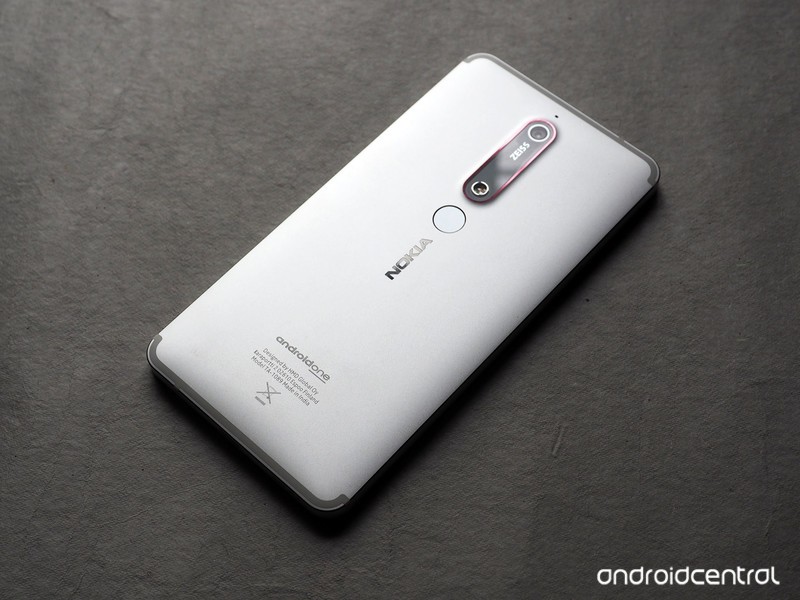
The design is largely unchanged from last year, although the Nokia 6.1 has slightly reduced bezels. That’s because the fingerprint sensor is now located at the back of the device. The camera housing is also more oblong, with the flash module moving further below the back. It’s great that HMD switched to USB-C with the Nokia 6.1. Far too many budget phones still feature a MicroUSB port, so in this area, HMD is ahead of other brands.
The fingerprint sensor is located just where your finger rests at the back, and it’s just as fast as other budget devices. And talking about the basics, the Nokia 6.1 has a 3.5mm jack located up top.
The Full HD display on the Nokia 6.1 is still a 16:9 panel and not 18:9 like most phones in this category. The panel has decent colors, although the color balance is more toward the cooler side of things. Sunlight readability, on the other hand, is excellent, and I faced zero issues using the Nokia 6.1 under harsh sunlight.
The phone comes with a two-tone finish, with the chamfers on the sides and the camera sensor picking up accent colors that break up the design well. The copper version is similar to what we’ve seen on the Nokia 7 Plus: the black color scheme is interlaced with copper accents, and that gives the phone added flair. There’s also a blue version of the device with blue accents, but that particular option is available in limited quantities.
The white variant I’m reviewing comes with iron accents, and while it isn’t as distinctive as the other models, it is a great alternative if you’re looking for a version with an understated design.
| Screen | 5.5-inch 16:9 IPS LCD |
| SoC | Snapdragon 630 |
| RAM | 3GB/4GB |
| Storage | 32GB/64GB |
| Rear Camera | 16MP, ƒ/2.0 |
| Front Camera | 8MP, ƒ/2.0 |
| Battery | 3000mAh |
| Connectivity | Wi-Fi 802.11 a/b/g/n, BT 5.0, FM radio |
| Security | Rear fingerprint |
| Colors | Black/Copper, Blue/Gold, White/Iron |
| Dimensions | 148.8 x 75.8 x 8.2mm |
| Weight | 182grams |
| Price | $269, £229, ₹16,500 |
The main issue with last year’s Nokia 6 was the underwhelming Snapdragon 450 chipset. It wasn’t able to handle the Full HD panel, and as a result, the phone felt laggy during everyday tasks. Thankfully, that isn’t the case on the Nokia 6.1. The Snapdragon 630 ensures the phone blazes through most day-to-day tasks, and it even handled demanding workloads with aplomb.
I’ve used the version with 3GB of RAM, and while I didn’t face any issues in day-to-day usage, the 4GB model with 64GB of storage is a better bet if you’re looking for a future-proof device. Either model has a microSD slot that lets you extend storage.
In a segment where manufacturers are trying to cut costs by getting rid of basic accessories like earphones, HMD includes an 18W wall charger in the box, along with a pair of decent-sounding earbuds. That’s a common theme with the Nokia 6.1: HMD has learned from last year’s mistakes, and the device is one of the more feature-rich phones you’ll find in this category. It even has an FM radio, and the two SIM card slots can both connect to 4G networks. And yes, you can use dual VoLTE.
Coming to the battery side of things, the 3000mAh battery was more than adequate to deliver a day’s worth of usage, and the phone now has fast charging. You’ll be able to use the bundled 18W charger to quickly top up when you’re in a hurry — up to 40% in under an hour. That’s significantly better than last year’s model, which took an agonizing three hours to fully charge.
For all of its hardware strengths, the loudspeaker on the Nokia 6.1 is sub-par. There’s a single speaker located at the bottom, and it’s neither loud nor detailed (it’s a good thing HMD bundles earbuds in the box). The only other downside on the hardware front is that you won’t be able to use the Nokia 6.1 on the likes of Verizon or Sprint as it is a GSM-only device.
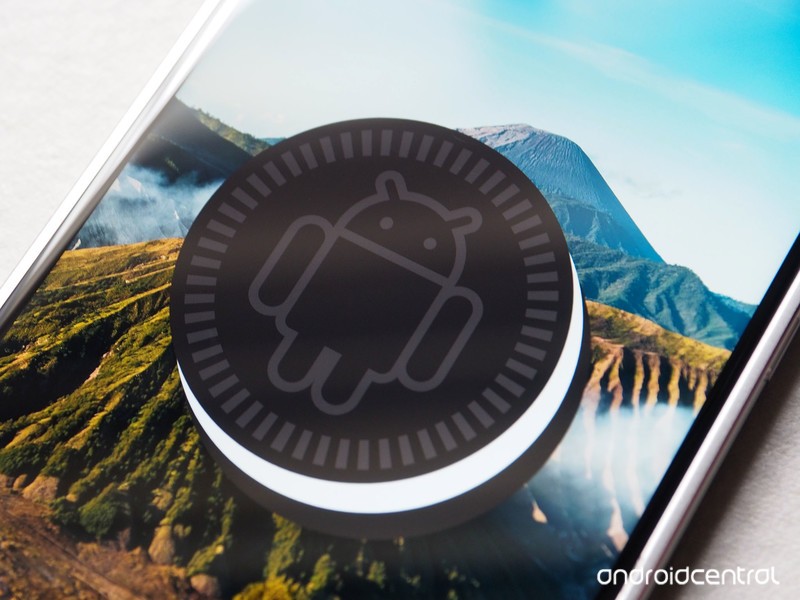
HMD focused on two pillars when reviving the Nokia brand: industrial design and quick updates. Over the course of the last year, HMD has shown once and again that it can roll out consistent updates to its portfolio of devices, and earlier this year the brand committed to the Android One platform for all of its future devices.
The software experience on the Nokia 6.1 is just as fluid as other Android One phones, and the clean user interface is a delight to use. The phone has consistently picked up monthly security updates, and is now on the June 5, 2018 patch. While it isn’t a part of the Android beta program like the Nokia 7 Plus, it should be in the first wave to devices to pick up the Android P update once the stable build is available later this year.
The one potential downside with the Nokia 6.1 — particularly if you’re one to install custom ROMs — is the fact that there’s no easy way to unlock the bootloader. This is admittedly an issue that will affect a small minority of users, and with HMD consistently rolling out updates, there really isn’t a reason to flash another build onto the Nokia 6.1. But if you’re one to tinker with ROMs, know that it’s particularly hard to do so on the Nokia 6.1.
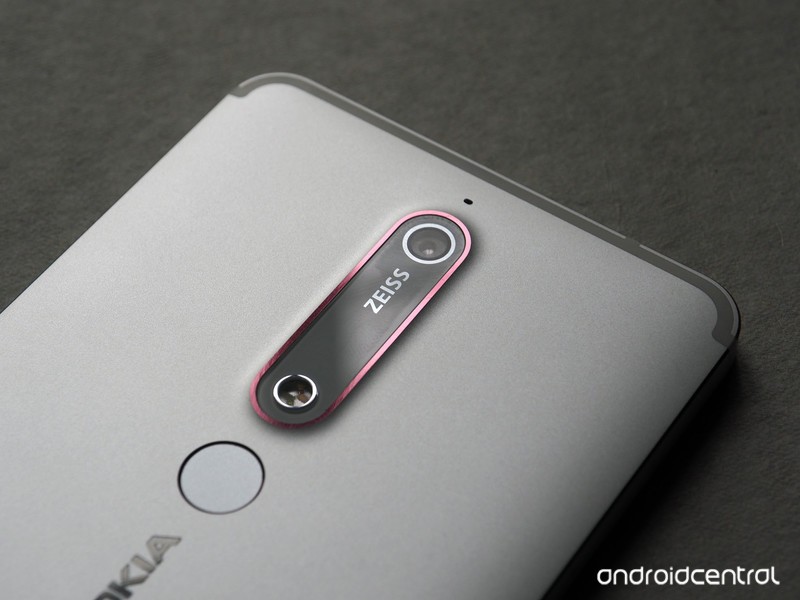
Continuing the theme of simplicity, HMD has stuck with a single imaging module at the back of the Nokia 6.1. The 16MP f/2.0 lens takes decent photos in daylight scenarios, but it struggles to focus in low-light conditions. There’s also a fair bit of noise from resultant low-light shots.
Switching on HDR helps with improving the dynamic range of images, and you also get a manual mode that lets you adjust the white balance, ISO, shutter speed, and exposure levels. The camera interface itself is easy to navigate, with toggles clearly laid out. There’s even a Bothie mode that lets you take photos from the rear and front cameras simultaneously.




The 8MP front shooter takes great selfies, and Nokia 6.1 shoots 4K video as well — with the ability to upload directly to Facebook or YouTube. There’s plenty of detail in videos, but as there’s no optical image stabilization they tend to be shaky if there’s a lot of motion involved.
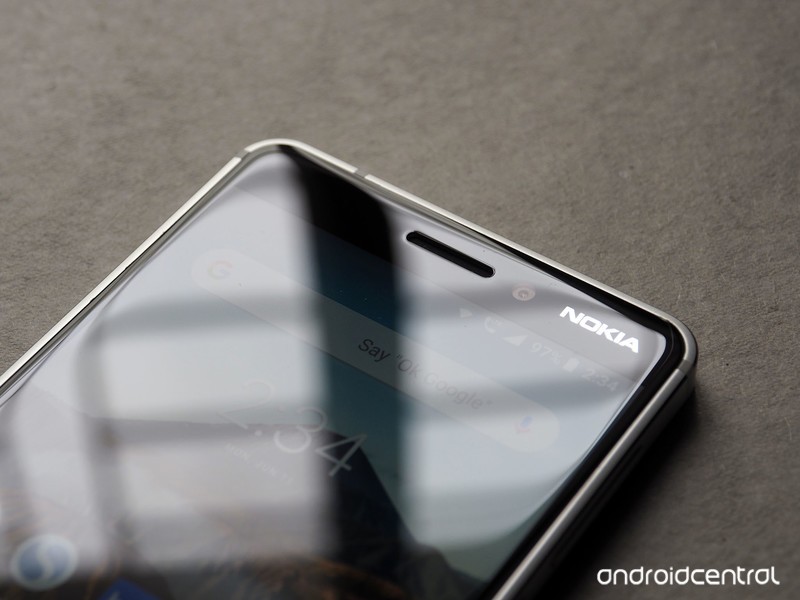
Should you buy it? Yes
The Nokia 6 sold in excess of 10 million units globally, making it one of the best phones in this category last year. The Nokia 6.1 builds on that foundation with a much more capable chipset, improved battery life, fast charging, and USB-C connectivity.
Sure, the Nokia 6.1 is missing out in a few areas — it’s still using a 16:9 display, and the camera could be better at low-light conditions. But it excels at the basics, and the durable design should make it withstand the occasional tumble without any issues.
The Nokia 6.1 delivers in the areas that matter, making it a great budget option for 2018.
The Nokia 6.1 isn’t the only Android One device in this category, as the Mi A1 also costs around the same. The A1 doesn’t have the same hardware prowess as the Nokia 6.1, but it has an edge when it comes to the camera side of things.
Earlier this year, I said that the Redmi Note 5 Pro has the potential to be the best budget phone in India. However, Xiaomi bungled the launch, and three months after its release, you still can’t get the phone without going through a lot of hoops.
Thankfully, the Nokia 6.1 doesn’t have any such issues. The phone is up for sale on Amazon India, as well as thousands of retail stores across the country.
Best of all, the Nokia 6.1 is also up for sale in the U.S. for $269. The phone is available unlocked from Amazon.com, and you’ll be able to use it on GSM carriers like AT&T and T-Mobile. For under $300, the only other device that comes close to the Nokia 6.1 is the Moto X4, which is available for around the $280 figure right now.
The downside with the Moto X4 is that Motorola isn’t as quick as it used to be at rolling out software updates, and the phone is unlikely to receive platform updates beyond Android P. The Nokia 6.1, meanwhile, will get two platform updates and three years’ worth of security updates, making it future-proof.
4.5
out of 5
A good budget phone needs to do three things: offer a lag-free experience in day-to-day usage, a sturdy chassis, and timely updates. The Nokia 6.1 delivers in all three categories.
See at Amazon
See at Amazon India

