


Recommended Reading: Making a shed a top-rated destination on TripAdvisor
I Made My Shed the Top Rated Restaurant On TripAdvisor
Oobah Butler,
Vice
If you’ve ever wondered just how many reviews on sites like TripAdvisor are fake, you’re not alone. One writer took maters into their own hands to prove the extent of the issue by creating a fake restaurant in a backyard. Once it became popular on the site though, things escalated quickly.
|
How the Kremlin Tried to Pose as American News Sites on Twitter Russia’s fake news efforts around the 2016 election included posting at local news outlets on Twitter. |
The Problem with Muzak A detailed look at Spotify’s effect on the music industry and how its algorithms and discovery tools are shaping creativity. |
Honor 7X vs. Honor 6X: New school versus old school
Honor, the subsidiary company of Huawei, has made a good living the past few years by offering budget and midrange devices that we’ve enjoyed, and that have seen good commercial success. The Honor 7X is Honor’s latest phone, offering an upgraded Kirin processor, an improved camera, and a gorgeous new redesign that’s so 2017. But how much of a difference will you see if you’re already familiar with the Honor 6X? If you’re already an Honor 6X user, is the 7X worth the upgrade? We took a look to find out.
Specs
Honor 7X
Honor 6X
Size
156.5 x 75.3 x 7.6mm (6.18 x 2.96 x 0.30 inches)
150.9 x 76.2 x 8.2mm (5.94 x 3.00 x 0.32 inches)
Weight
165 grams (5.82 ounces)
162 grams (5.71 ounces)
Screen
5.93-inch IPS LCD display
5.5-inch IPS LCD display
Resolution
2,160 x 1,080 pixels (407 pixels-per-inch)
1,920 x 1,080 pixels (403 pixels-per-inch)
OS
EMUI 5.1 (over Android 7.0 Nougat)
EMUI 5.0 (over Android 7.0 Nougat)
Storage
32GB for U.S., 64GB for international
32GB for U.S., 64GB for international
MicroSD card slot
Yes, up to 256GB
Yes, up to 256GB
NFC support
No
Not in U.S., international models only
Processor
HiSilicon Kirin 659
HiSilicon Kirin 655
RAM
3GB for U.S., 4GB for international
3GB for U.S., 4GB for international
Connectivity
GSM / LTE, Wi-Fi 802.11 b/g/n
GSM / LTE, Wi-Fi 802.11 b/g/n
Camera
Dual sensor 16MP & 2MP rear, 8MP front
Dual sensor 12MP & 2MP rear, 8MP front
Video
1080p@30fps
1080p@30fps
Bluetooth
Bluetooth 4.1
Bluetooth 4.1
Audio
Headphone jack
Headphone jack
Fingerprint sensor
Yes
Yes
Other sensors
Accelerometer, proximity, compass
Accelerometer, proximity, compass
Water resistant
No
No
Battery
3,340mAh
3,340mAh
Charging port
MicroUSB
MicroUSB
Marketplace
Google Play Store
Google Play Store
Colors
Black, Blue, Gold, Red
Gray, Gold, Silver
Availability
HiHonor
Amazon
Price
$200
$200
DT review
4 out of 5 stars
3.5 out of 5 stars
If big technological changes get you hot under the collar then you’re going to be slightly disappointed here. Honor hasn’t made many changes in the internal tech between the Honor 6X and the 7X; both phones feature 32GB of storage and 3GB of RAM (or 64GB and 4GB of RAM on the international versions), and both have similar specs in terms of Bluetooth connectivity and removable storage expansion (MicroSD cards up to 256GB). That said, don’t take that as a major problem — the Honor 6X offered great performance in our tests, and we’ve seen similarly great results from the Honor 7X, so a lack of serious upgrade is a compliment to the existing technology in play.
We do see a small difference in the upgraded processor. Honor uses Huawei’s proprietary Kirin processors, and there’s a Kirin 659 in the Honor 7X, compared to the Kirin 655 in the 6X. As you’d hope, the upgrade does give the 7X a little more oomph, but not as much as you might expect: The Kirin 659 in the Honor 7X scored 399 in the 3D Mark Sling Shot Extreme benchmark, while the 6X’s Kirin 655 scored 378. It’s not a massive difference, but it’s worth pointing out both the Honor 7X and the 6X cost $200. These benchmarks are competitive with midrange phones like the Moto G5S Plus, and HTC U11 Life — and both the 7X and the 6X cost significantly less than their competition.
You’re unlikely to be disappointed with the specs on either phone, and they’re quite evenly balanced. However, the Honor 7X’s slightly beefier processor offers a little more raw power, and helps it to take this round.
Winner: Honor 7X
Design and display
Andy Boxall/Digital Trends
Here’s where the real changes took place. The Honor 6X is a good-looking and a good-feeling phone; the smooth metal body curves around your hand, it’s slim and easy to hold, and it has an understated minimalist style. Around the back, the dual sensors for the camera are stacked vertically — clearly Apple knew who to copy for the iPhone X‘s camera placement. It was one of our favorite-looking phones when we reviewed it back in January 2017, and that makes it even more incredible Honor managed to exceed these good looks with the Honor 7X.
The key to the 7X’s good looks is the trend of 2017 — the edge-to-edge, bezel-less design we’ve seen in most of the premium flagships this year. It’s one of the first we’ve seen in a budget phone, however, and it’s gorgeous. The slim bezels around the edge of the screen give way to a similarly small forehead and chin at the top and bottom of the phone’s front, and while it isn’t as sleek as, say, the Galaxy S8 or the LG V30, it’s still a gorgeous look that really outshines previous budget phone designs.
As you might expect in a bezel-less phone, a massive display dominates the front. A 5.93-inch LCD display takes up almost the whole of the frontage, and sports a 2,160 x 1,080-pixel resolution in an 18:9 format. While the Honor 6X also has a full HD display going for it, thanks to the 1,920 x 1,080-pixel resolution, its 5.5-inch LCD display simply can’t compete with the 7X’s mighty screen.
Moving on to durability, both phones are protected by their metal bodies, but only the Honor 7X has Gorilla Glass protecting the screen from damage. The Honor 7X also has extra durability with the addition of internal “air-bags” at each corner of the device. They’re not fully shockproof — Honor describes it as “life-proof” — but when we first saw the device, the Honor team dropped it multiple times to prove the system’s effectiveness. It’s a cool addition we’d like to see on more phones, and we anticipate seeing it on more Honor devices at least.
This round has a clear winner. The Honor 6X is still an attractive device, but the bezel-less trend of 2017 has taken its toll on any device with significant borders around the screen. The Honor 7X is prettier, stronger, and wins this round easily.
Winner: Honor 7X
Camera
Malarie Gokey/Digital Trends
Honor has been improving its camera technology with each successive smartphone, and the Honor 7X is no exception. We liked the dual sensors on the 6X; the 12-megapixel lens worked with the 2-megapixel lens to simulate DSLR-style “bokeh” selective blur, and gave us pictures that consistently satisfied our needs. It was good for the price, and it’s good to know Honor has continued to surpass itself with the excellent camera on the Honor 7X.
On the surface, it doesn’t seem too much has changed from the 6X; the 12-megapixel lens has been replaced with a 16-megapixel lens, and the 2-megapixel lens survives the transition. A larger amount of work has gone into the software, improving wide-aperture focus speed and boosting performance under low-light conditions. It’s a seriously impressive camera, and shots taken on the Honor 7X will often pass for shots from a more expensive phone. It does have its weaknesses at times, but it’s an extremely solid camera that’s worth picking up the phone for.
Flip each phone over and you’ll be greeted with an 8-megapixel front-facing snapper. It takes good selfies, and the software comes with a Portrait Mode and various fun filters that can be applied to faces. There’s not much to say outside of that — they’re both functional and of good quality.
The Honor 6X’s camera was very good for the price back when we reviewed it. It’s still good, but it can’t compete with the extremely strong camera on the Honor 7X.
Winner: Honor 7X
Battery life and charging
Andy Boxall/Digital Trends
Like some of the other internal specifications, little has changed between the Honor 6X and 7X. Both come with a non-removable 3,340mAh Li-Ion battery that lasts between a day and a day-and-a-half on a single charge. In our tests we saw little difference between the two devices — the Honor 6X may last slightly longer, and you can blame the larger display on the 7X for that, but the difference is so negligible as to be non-existent. Neither phone comes with any real fast charging to speak of, and you’ll likely be able to fully charge up to full from empty in around three hours.
The inclusion of MicroUSB on the Honor 7X is something of a surprise; we’d have expected Honor to change to the faster charging and more versatile USB-C, like it has with other Honor phones. Still, it’s a small disappointment, and given how strong the phone is in other areas, we’re willing to forgive it. If you’ve spent any time with a USB-C phone, you might not.
There’s no discernible difference between the batteries on the Honor 7X and 6X. This is a tie.
Winner: Tie
Software
Malarie Gokey/Digital Trends
Android purists need not apply, because all of Honor’s phones use Huawei’s proprietary Emotion UI (EMUI) laid over the top of Android. After some rough early years, EMUI has turned into a pretty good Android skin, and we’re satisfied with the implementation of EMUI 5 (laid over the top of Android 7.0 Nougat) on both the Honor 7X and the 6X. It’s got some nifty tricks, too, including multi-screen modes, effective power efficiency settings, and swappable themes.
The lack of EMUI 8.0 on the 7X is a gripe, though. It’s been some time since the new version of EMUI dropped, and we’d expect to see it on every new Honor phone, regardless of price band. There’s also been no word on when the Honor 7X will be receiving an EMUI 8.0 (and Android 8.0 Oreo) update, so for the moment we have to judge it purely on EMUI 5.
There’s no difference between the software on each of these phones — until the Honor 7X gets an upgrade to EMUI 8.0 this round has to be a draw.
Winner: Tie
Price and availability
Andy Boxall/Digital Trends
The Honor 6X is currently available, though you’ll struggle to find it on the official HiHonor store now. Amazon still has stock, with prices starting at $188 for an unlocked Gray model with 3GB of RAM and 32GB of onboard storage. To get the 4GB of RAM and 64GB of storage model you’ll have to shop abroad and get it imported. Be warned though; like most Honor phones, the 6X lacks connectivity to the CDMA band, making this phone useless on Sprint and Verizon — so if you’re stuck with those carriers, give this a miss.
The Honor 7X will be released December 15, starting at $200 for the 3GB of RAM and 32GB of storage model. Like the 6X, you’re stuck searching abroad if you want the upgraded 4GB/64GB model, and you’ll still be unable to use this phone on Verizon or Sprint.
Even with the limitations, $200 for one of these phones is a bargain. Both phones bring close to midrange specs for a budget price, and you’ll be satisfied if you end up plumping for either. That said, you’d be a fool if you chose to go for the 6X over the Honor 7X. The 7X’s more powerful processor, stronger camera, and gorgeous good looks put it so far above the 6X that a price difference of $12 is nowhere near enough of a saving to choose the older model. While you’ll need to avoid two major U.S. carriers, the Honor 7X represents incredible value for money.
Winner: Honor 7X
Overall winner: Honor 7X
Andy Boxall/Digital Trends
When the successor to a budget phone as good as the Honor 6X comes out, there’s always the chance lightning has failed to strike twice. Thankfully for Honor, the Honor 7X is every bit as good as its predecessor, and then some. With a strong camera, exceptionally good looks, and an upgraded processor, the Honor 7X looks set to be the budget phone of 2018.
But that doesn’t make the Honor 6X a bad choice. We’re admittedly struggling to think of any situations you’d get the 6X over the 7X, save a larger price difference. But if you’ve already got the 6X, you can rest assured you shouldn’t feel the need to upgrade yet. Lightning might have struck twice, but the Honor 6X is still a great budget handset.
Editors’ Recommendations
- Honor 7X vs. Moto G5 Plus: Which cheap phone gets the most bang for your buck?
- Honor 7X vs. Moto E4 Plus: Big-screen budget battle
- Honor 7X review
- The Honor 7X is coming to the U.S. with all the must-have features we love
- Honor View 10: Everything you need to know
Samsung Galaxy Owner’s Gift Guide

Samsung Galaxy Owner’s Gift Guide
When it comes to selling phones to a wide variety of consumers and being an instantly recognizable brand in consumer electronics, no company does it quite like Samsung. Not only has it completely set the bar for what a flagship phone is with the Galaxy S line, but it continues to push boundaries with the Galaxy Note line as well. And in the past couple of years, it has built up a fantastic ecosystem of accessories and devices. If you’re all-in with a Samsung Galaxy phone, you’ll want to check out these great gifts.
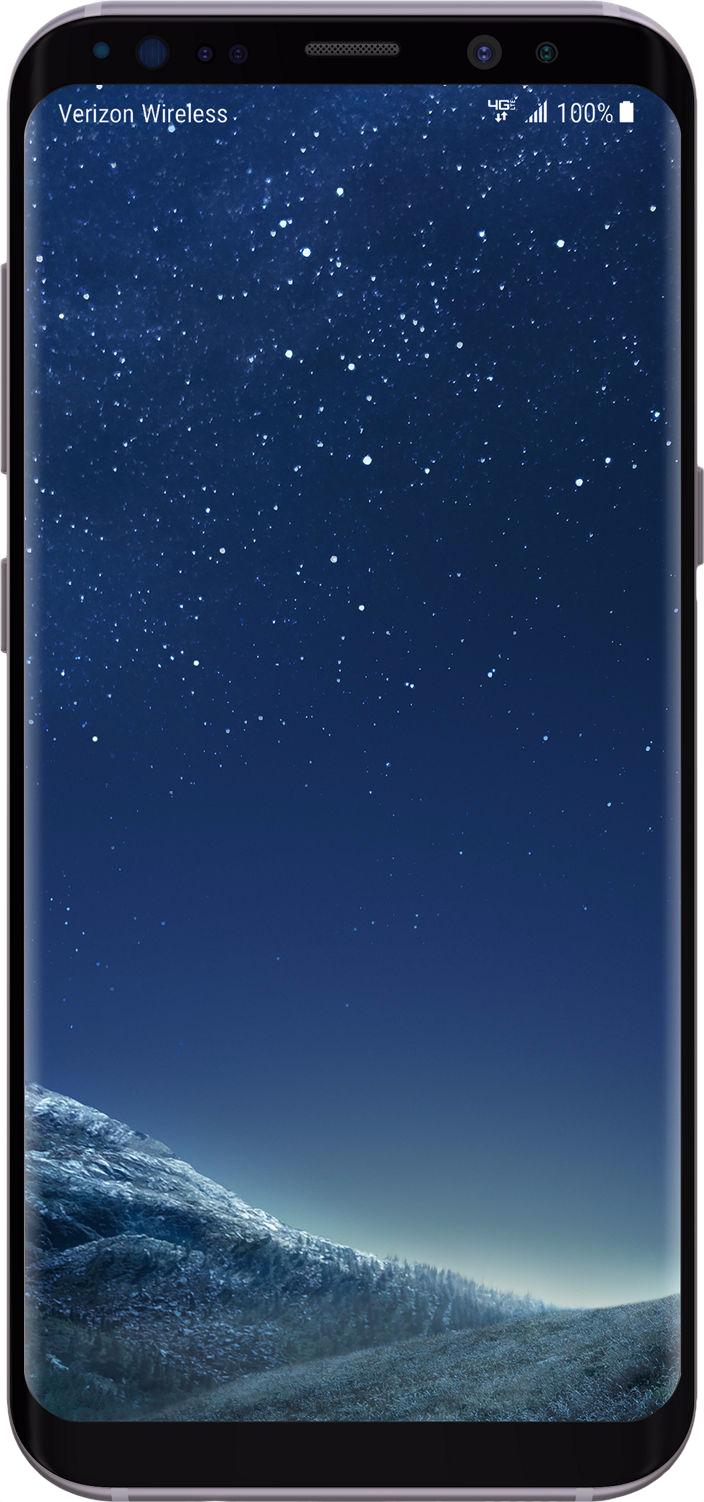
Samsung Galaxy S8
This is pretty simple: if you’re already a big time Galaxy fan but haven’t yet upgraded to the latest and greatest, it’s hard to go wrong with the Galaxy S8. You’ll get software you’re familiar with, paired with Samsung’s latest hardware innovations and specs that’ll last you for the year to come.
$649 Buy now
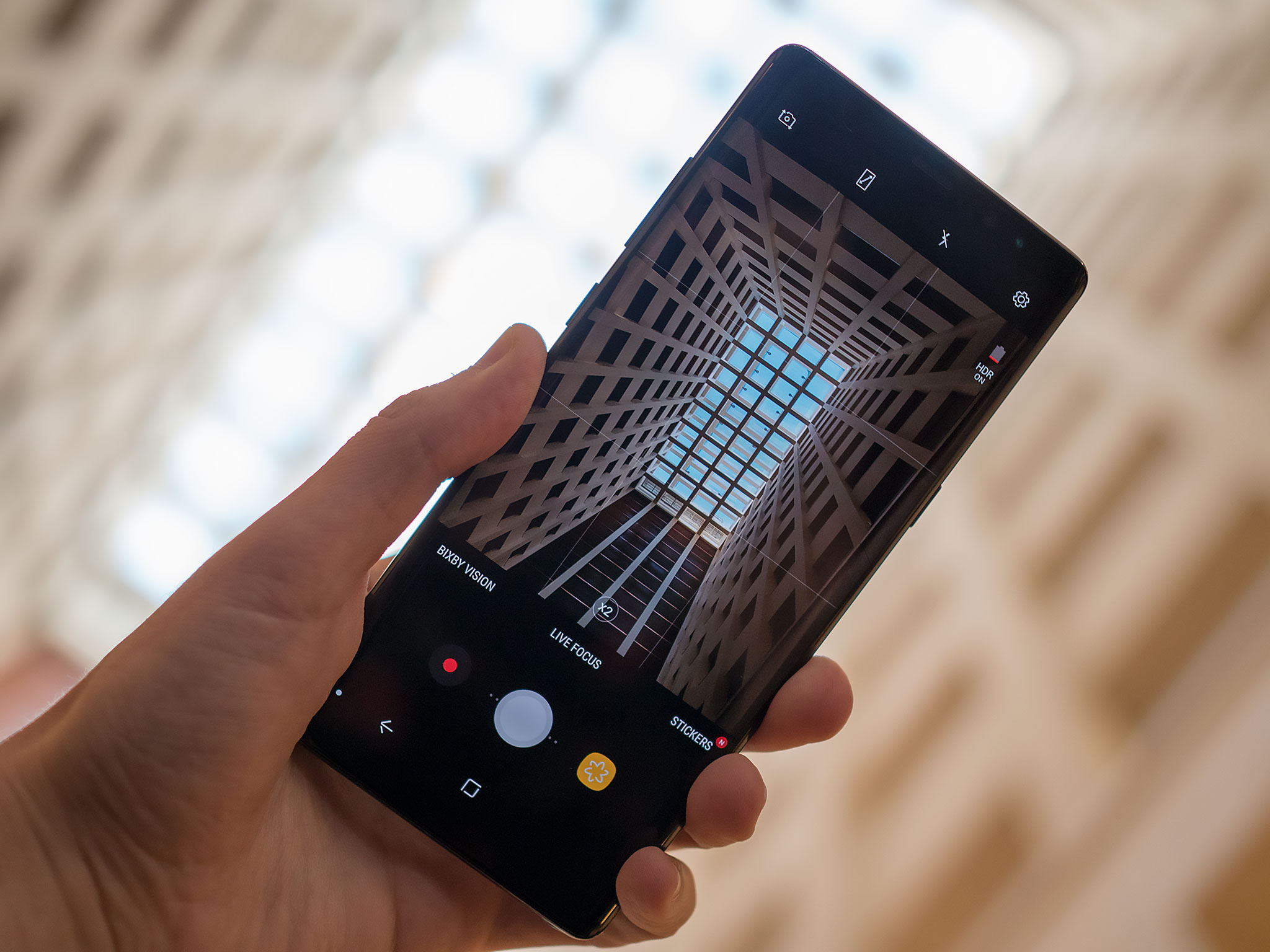
Samsung Galaxy Note 8
Perhaps you’re still hanging onto a Note 5 or even a Note 4 — it’s time to move up to the new Galaxy Note 8. If you’re still in love with the gigantic screen and S Pen on your current Note, you’ll find that that DNA has carried over perfectly into the new Note 8. Sure it’s not much different from the less expensive Galaxy S8+, but it’s still clearly the absolute most powerful and capable Galaxy out there.
$949 Buy Now
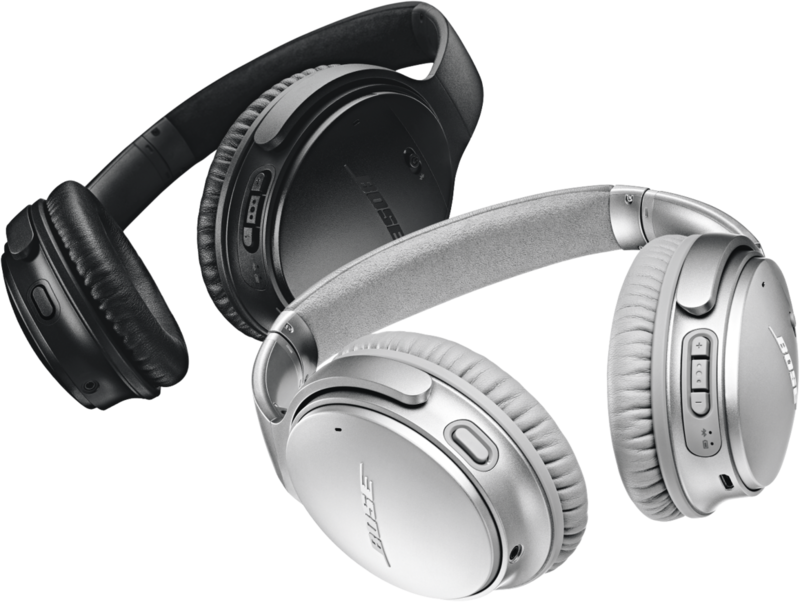
Bose QC35 II
Light, comfortable, long-lasting and with amazing noise cancellation. The QC35 IIs are a traveler’s best friend, but really can be used as daily headphones for those who need to shut out the world and concentrate. They’ll pair with your Galaxy perfectly, but with a tap of a switch you can grab audio from a tablet or computer, too.
$349 Buy Now

JBL Clip 2
Bluetooth speakers are a dime a dozen nowadays, but JBL makes some great models that are worth the little extra money. The Clip 2 is portable and has a clip so you can hang it on a bag or set it up for better sound wherever you need it, and it’s built to take the abuse of moving around. It has both Bluetooth and a 3.5 mm connection, and the sound is good for the size.
$40 Buy Now
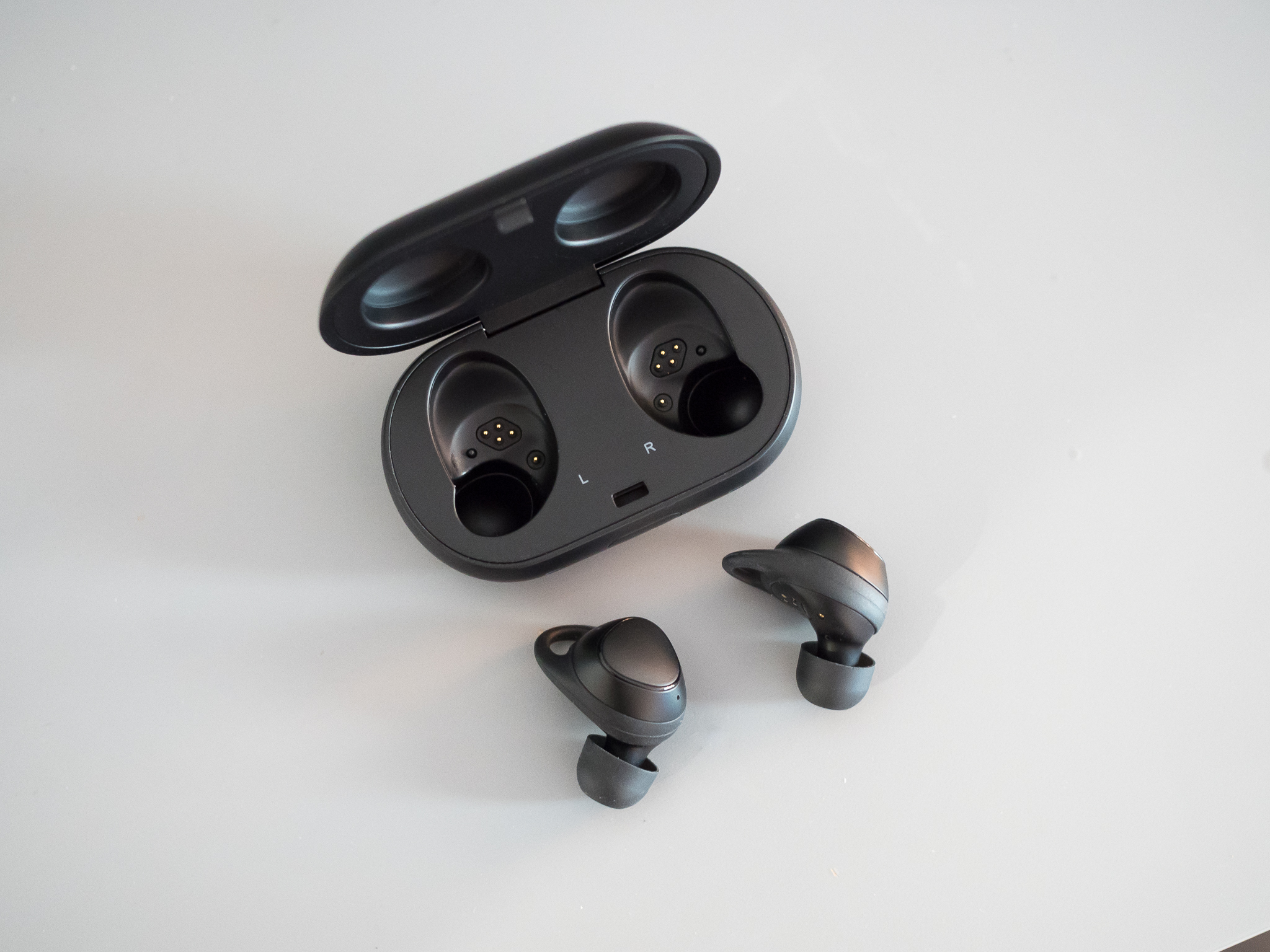
Gear IconX 2018
Samsung’s fitness-focused truly-wireless earbuds are good, but they’re even better when you have a Samsung phone. The integration with Samsung Health is great, and because your phone already has all of the extra software for them you don’t have to worry about installing any awkward extra plugins like you would on another phone. Get these earbuds if you need to be active and don’t want anything in your way.
$199 Buy Now
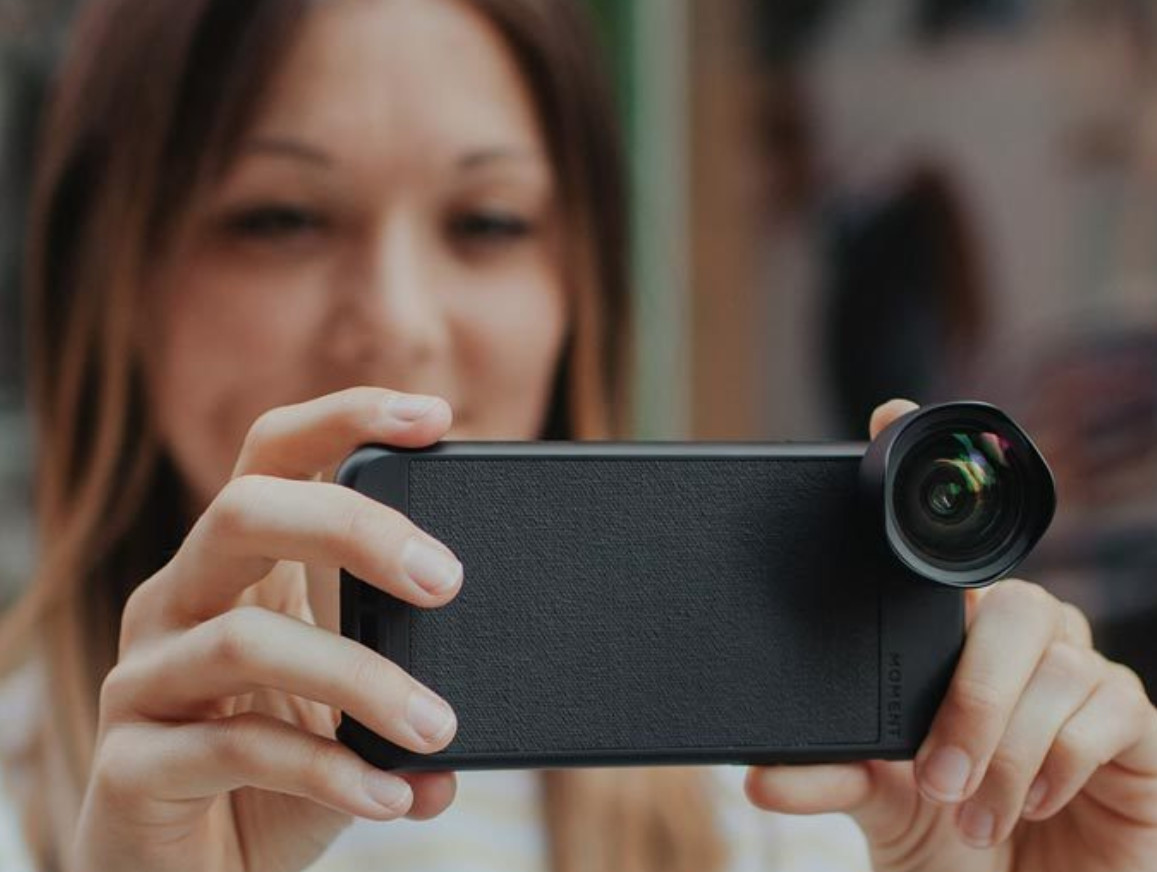
Moment Cases and Lenses
Samsung’s latest phones have great cameras, that’s for sure. But they’re even better when you can augment them with top-notch glass with different focal lengths. Moment’s cases are solid for general protection, and the lenses snap on with ease to take your mobile photography to new levels.
from $99 Buy Now
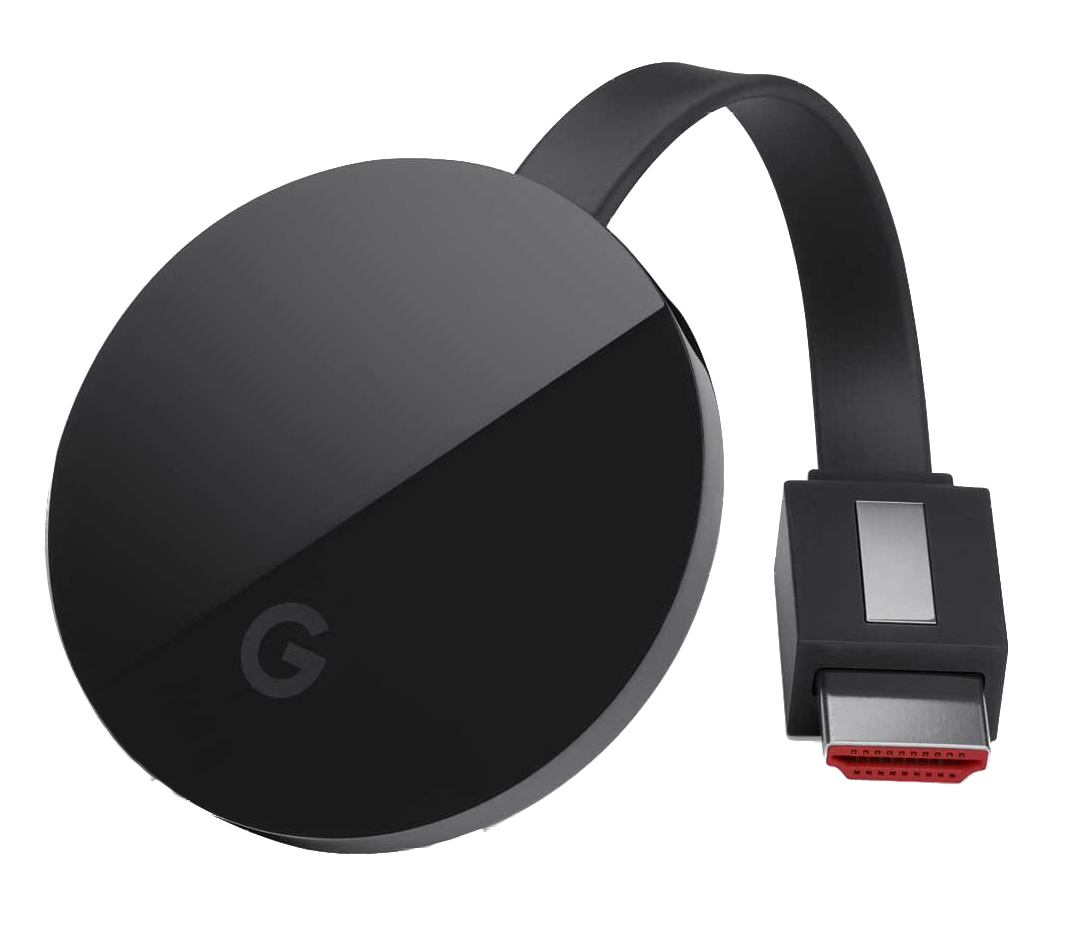
Chromecast Ultra
Even if you already have a streaming box of some sort, it’d be tough to convince us that you couldn’t find a use for a Chromecast Ultra on one of your TVs at home. Leave it plugged in, and the next time you have a quick thought about watching a movie or even just showing off some photos to guests it’ll be there ready to bring it to the big screen.
$70 Buy Now
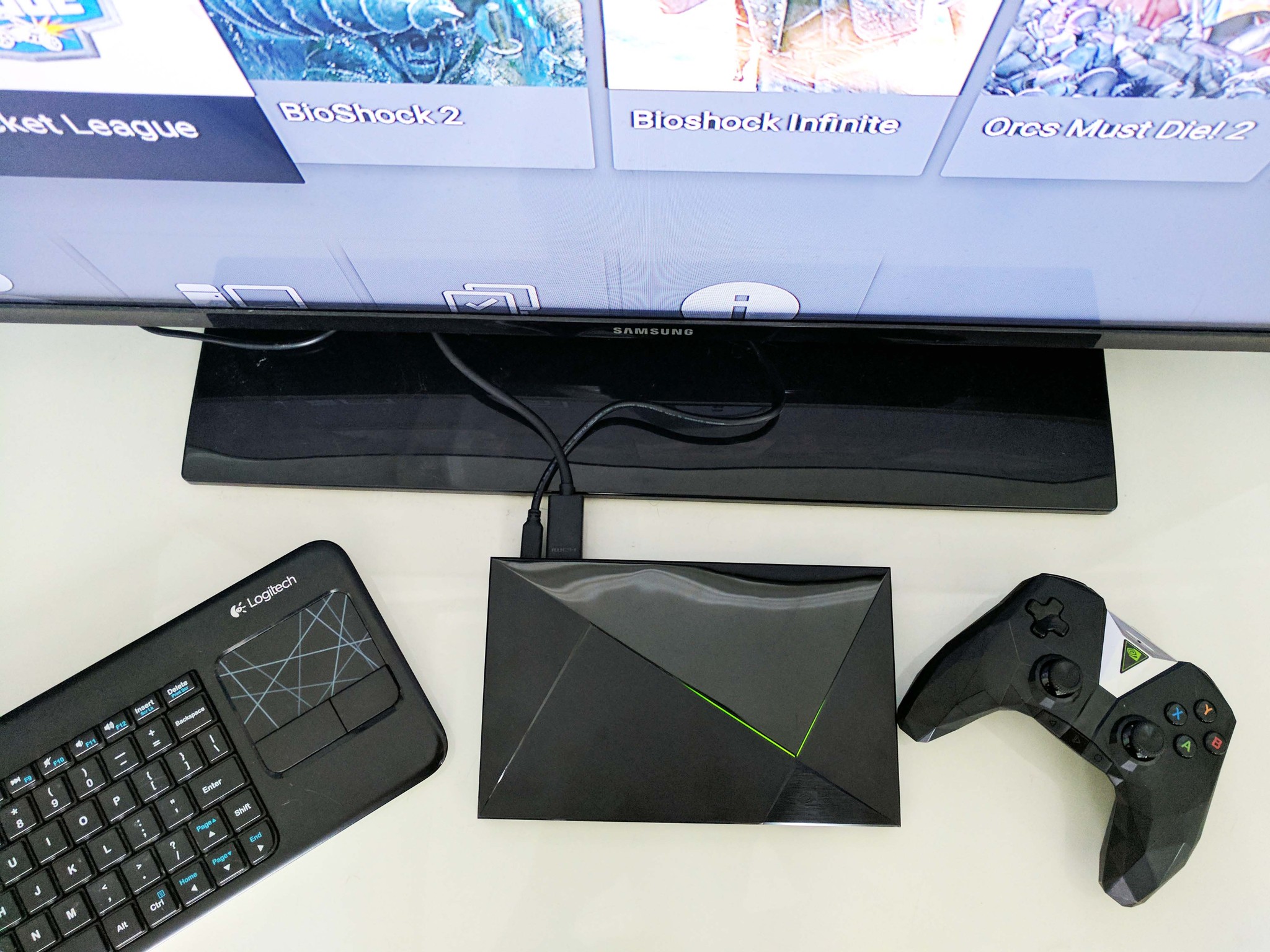
NVIDIA Shield Android TV
If a Chromecast sounds great but you (or someone you live with) would benefit from the simplicity of a dedicated interface and remote, the Shield Android TV is great. It’s just as capable as a Chromecast Ultra for casting (there’s $70 in value right there), but some media experiences really are best with a dedicated app running on the box itself. The gaming may not interest you, but the performance of this box will.
from $179 Buy Now
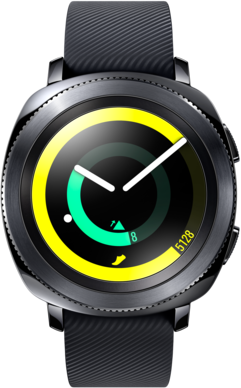
Samsung Gear Sport
The value proposition of a smartwatch just isn’t there for many people, but the best all-around choice out there right now is the Samsung Gear Sport. It’s just a bit lighter and more compact than the Gear S3, which makes it much easier to wear every day. And Samsung’s software is just downright better than Android Wear — you just have to be willing to configure it a bit and ignore many of the useless features.
$299 Buy Now
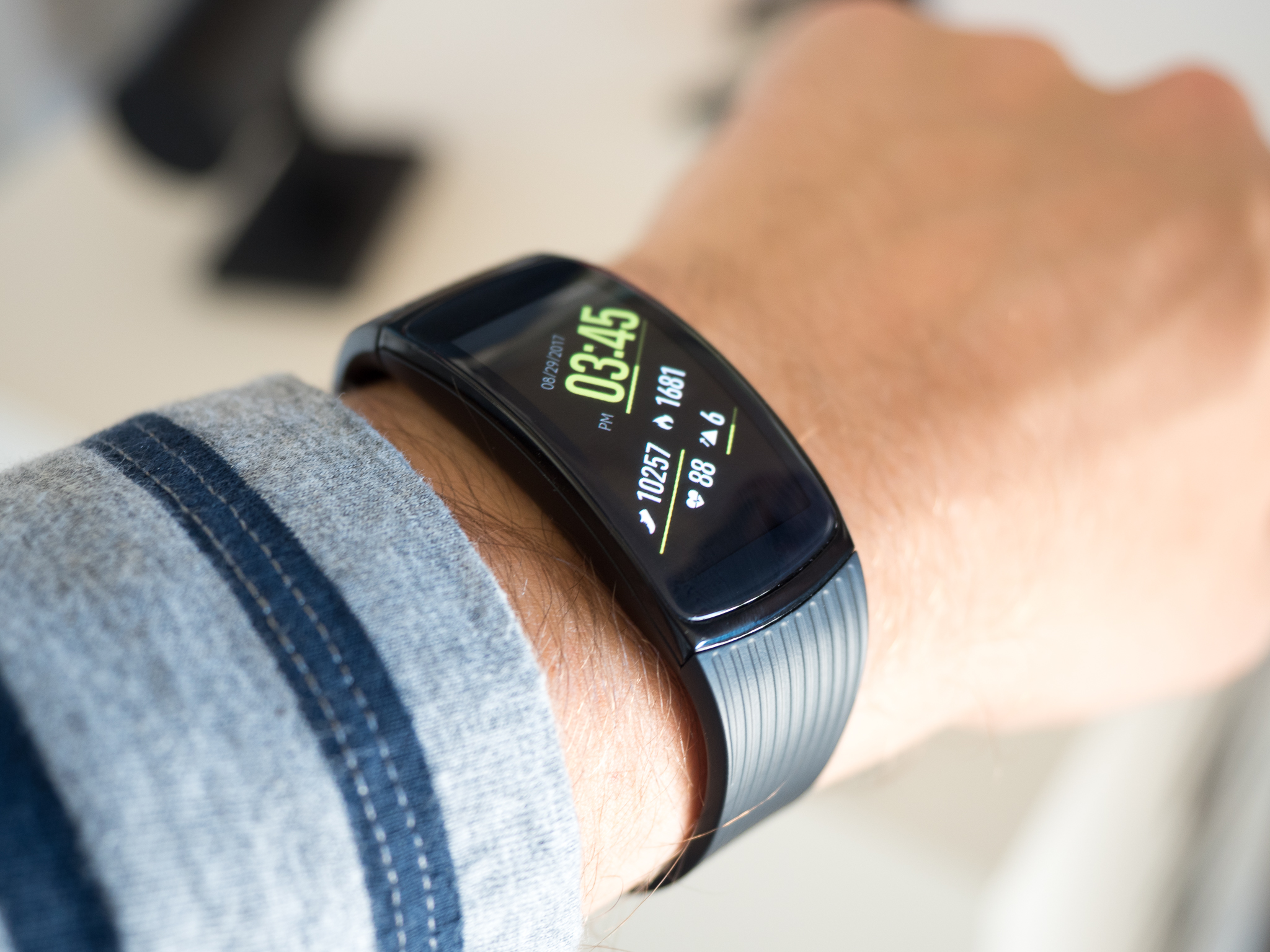
Samsung Gear Fit2 Pro
To skip much of the “smartwatch” experience altogether and just get some good fitness tracking, we like the Gear Fit2 Pro (and the original Fit2 at that). You save $100 off the Gear Sport’s price, and still keep most of the features. Given its smaller screen and lighter weight, you may be even more inclined to wear it for daily exercise tracking or even while sleeping.
$199 Buy Now
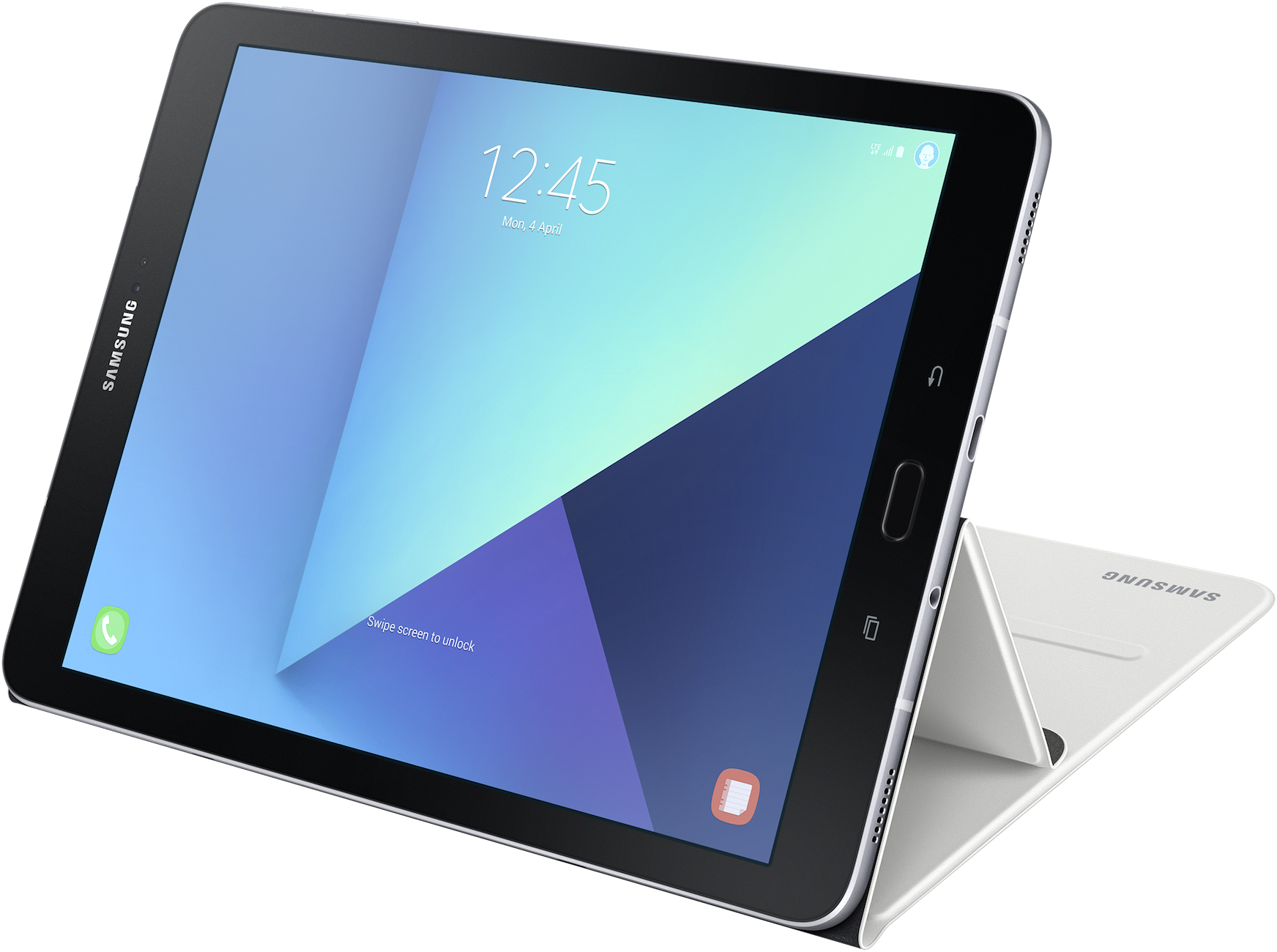
Samsung Galaxy Tab S3
Let’s be honest, an Android tablet isn’t for everyone. But for Samsung fans the best tablet is the Galaxy Tab S3. Not only will it have software that’s familiar to you, but it’ll also match up in terms of hardware and features. Add a keyboard case for the best productivity-focused experience.
$525 Buy Now
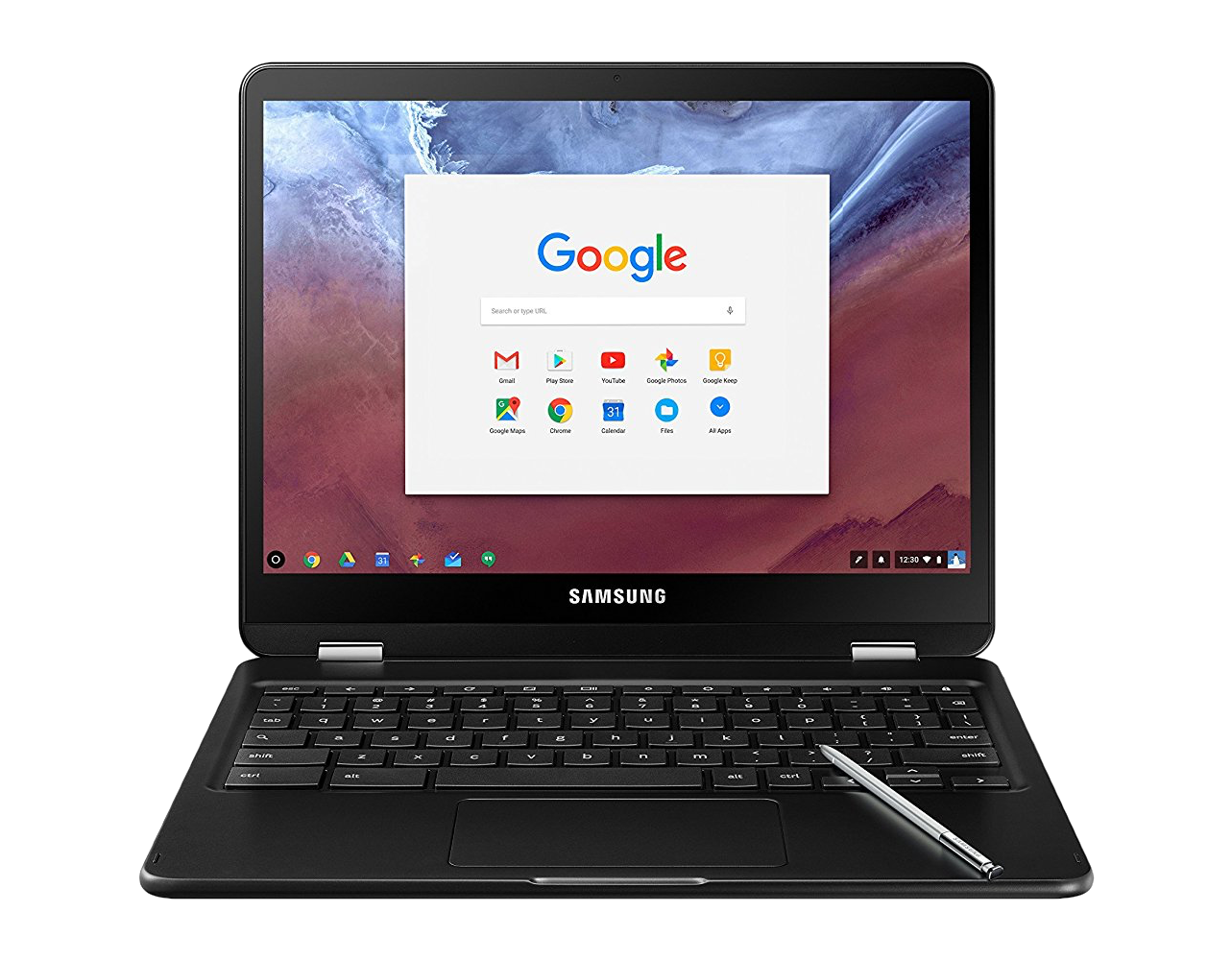
Samsung Chromebook Pro
Not everyone wants (or needs) a full-blown computer. For those people, we always recommend a Chromebook — and the Samsung Chromebook Pro is a great option. It’s a solid step above the low-end models that are cheap-feeling and made of plastic, but is still super light and has a great display. And it even has a great stylus that mimics much of what the S Pen does on the Galaxy Note 8.
$499 Buy Now
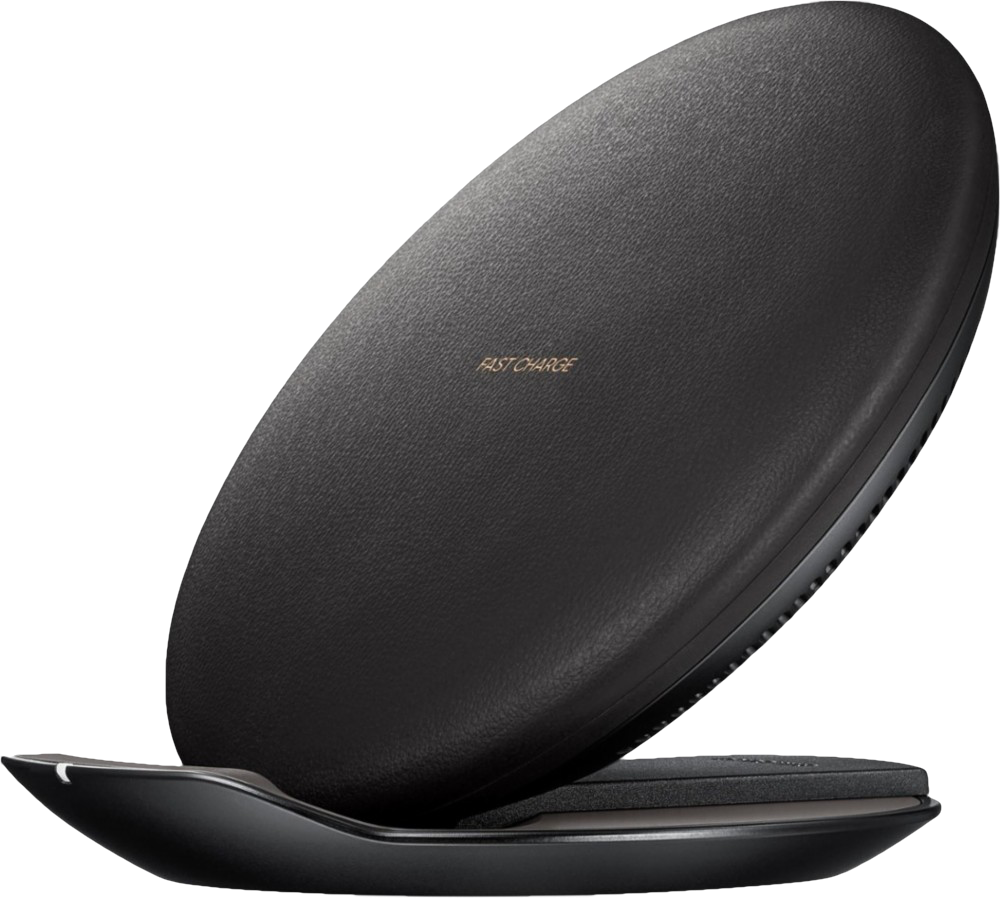
Samsung Fast Charge Wireless Charging Convertible Stand
It shouldn’t come as any surprise that Samsung makes the best Qi wireless charging stand out there. The soft rubber on the top keeps your phone in place, and the pivot action lets you choose whether you want it to be a proper stand or a flat pad. It also comes with an Adaptive Fast Charging wall plug, so you get the fastest possible wireless charging speeds with your Galaxy.
$89 Buy Now
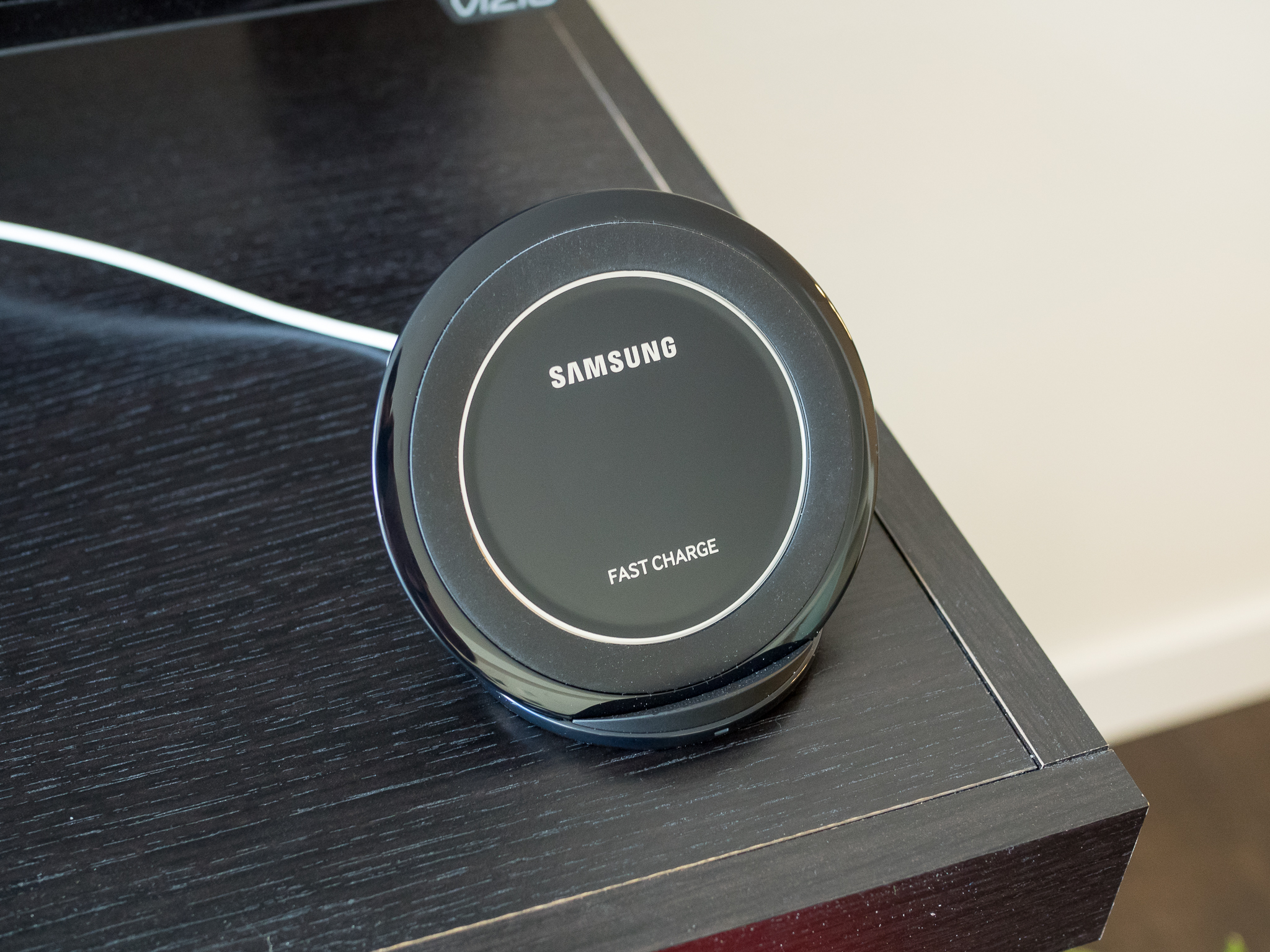
Samsung Fast Charge Wireless Charging Stand
If you’re thinking $89 is a bit too much for a wireless charger, check out the last generation stand model for less than half the price. It doesn’t convert into a flat pad, but then again it still charges at the same rate as the new model, and you’d save enough money to buy another wireless charger and still have money left over.
$39 Buy Now
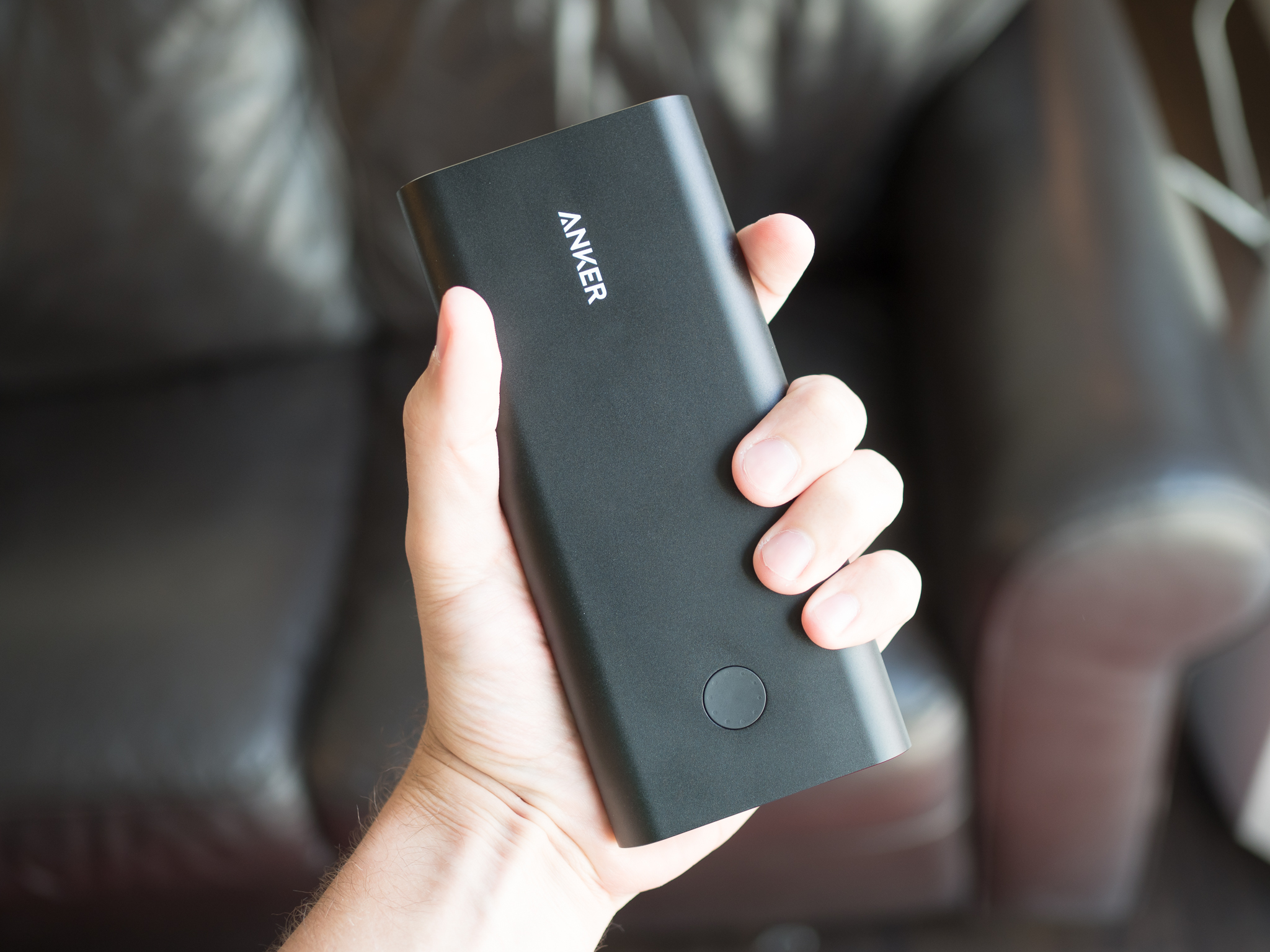
Anker PowerCore+ 26800mAh USB-C PD battery
If you want a massive battery that can charge up your phone, tablet and even computer, this Anker model is the one-stop shop. Using the included USB-C to USB-C cable you can charge up your Galaxy super quickly, or if that’s tied up powering another device one of the USB-A ports will get the job done as well. It also includes a great wall charger that will top up your phone directly win no time.
$119 Buy Now
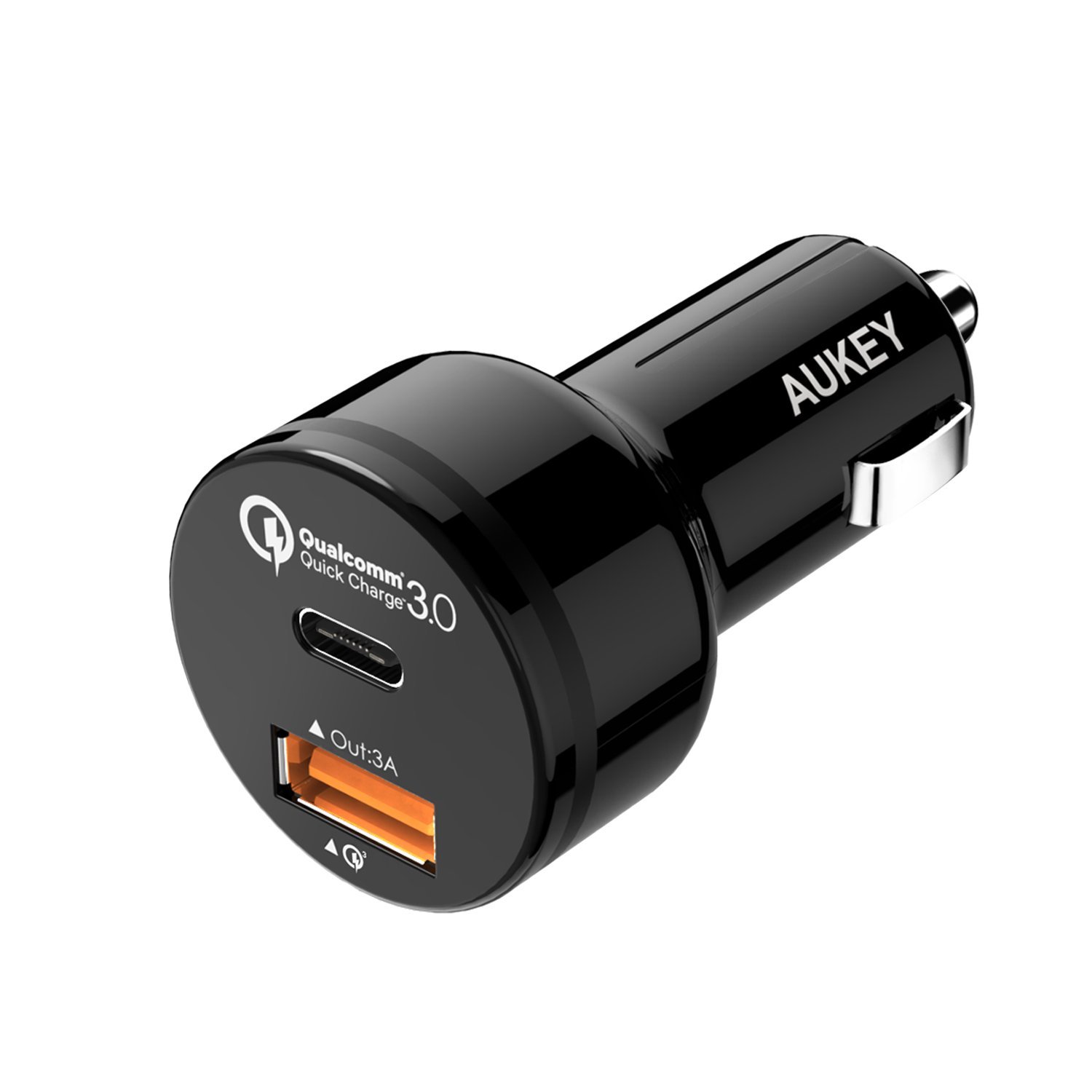
Aukey USB-C Car Charger
You need to charge stuff while you’re driving, and this $16 Aukey charger has a USB 3.0 port and a USB-C port to help you do it. Toss it in your car and never have to think about it again.
$16 Buy Now
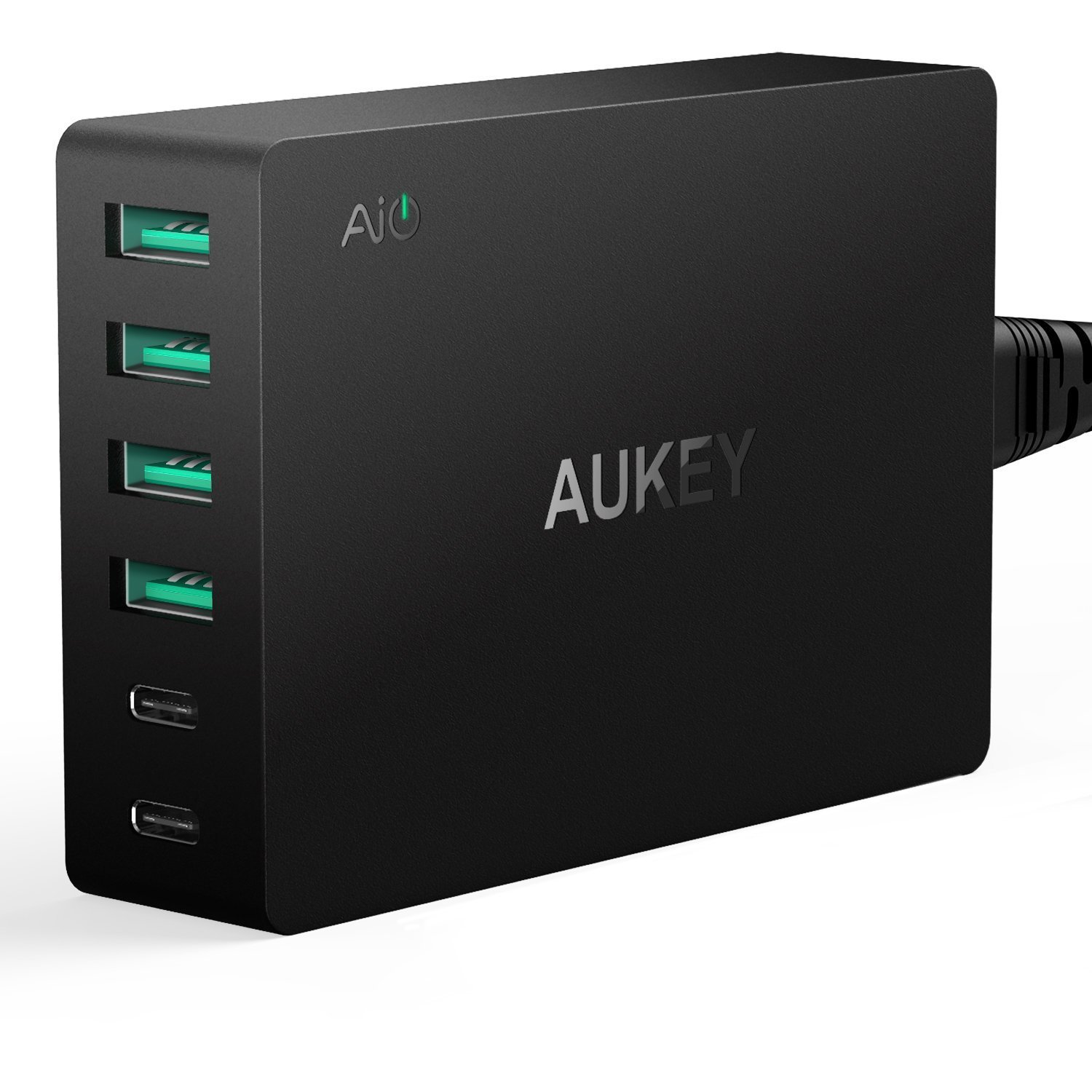
Aukey Amp 6-port AC adapter
Aukey makes great chargers, and for the gadget fans like us with a ton of devices these multi-port deals can both charge them up and Help with clutter. It supports 60W of output total, with four USB-A ports and two USB-C ports. What’s not to love?
$32 Buy Now
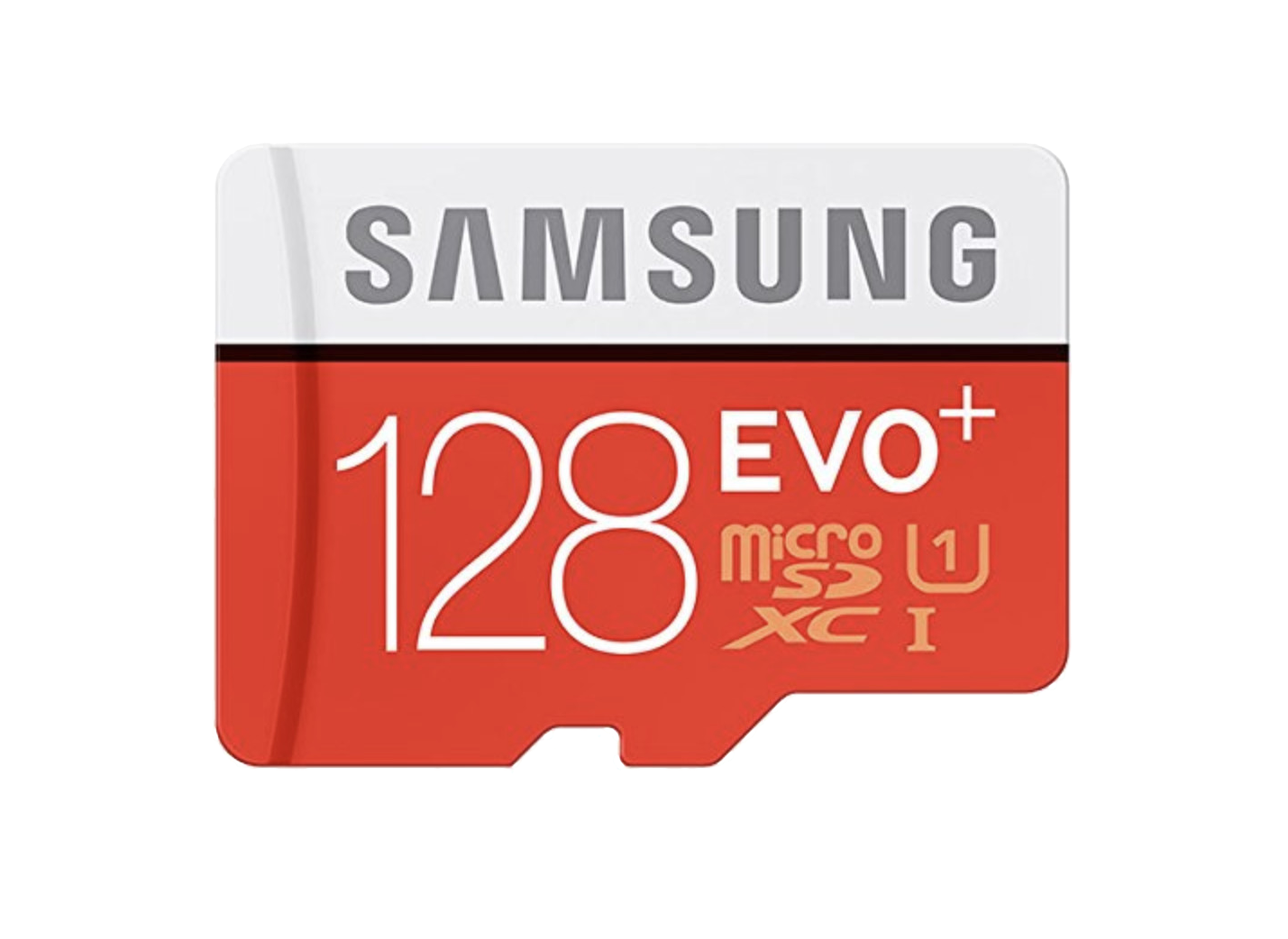
Samsung Evo+ 128GB UHS-I MicroSD Card
Galaxy phones still have SD card slots, so you might as well make use of them while you can. SD cards have gotten so big, so fast and so cheap that it’s tough to make a bad choice. But going with a well-known brand and tested performance is always preferred. $60 gets you a great card that can go in your phone but also with an adapter can pull double-duty in a camera if you need.
from $58 Buy Now
Best Sony Phones
- Best overall
- Best small phone
- Best mid-sized phone
Best overall
Sony Xperia XZ Premium

See at Amazon
Sony’s top-end handset is the Xperia XZ Premium, a 5.5-incher with a whopping 4K display resolution, HDR viewing support, a powerful Snapdragon 835 processor an 4GB of RAM. As well as boasting a striking design, with a mirrored glass back panel, Sony’s flagship offers front-facing speakers and an impressive 19-megapixel camera capable of shooting 960fps slow-motion video.
Bottom line: The XZ Premium gives you the bragging rights of owning a 4K phone, while also being a pretty great all-around handset.
One more thing: The Xperia XZ Premium, like all Sony phones sold in the U.S., has its fingerprint scanner disabled permanently in software. (Blame Sony’s signing of dumb exclusivity agreements for that.) Flashing another region’s software, at your own risk, will bring it back to life.
Why the Xperia XZ Premium is the best
Sony’s biggest and most powerful handset.
Sony’s 2017 flagship goes against the trend of slim, bezelless devices with a deliberately chunky chassis and proportions which amplify the pace around its 5.5-inch display. If you dig the design, you’ll get a phone that’s well-made, and unmistakeable alongside the iPhones and Galaxies of the world. A speedy upgrade to Android 8.0 Oreo is another bonus, with the XZ Premium being one of the earlier adopters of Google’s new OS. And that software comes with few distractions and UI design that’s very close to vanilla Android.
Throw in a frankly ridiculous 4K display and a camera that can capture some truly impressive slow motion video footage, and you’ve got one of the hidden gems of the Android world in 2017.
Best small phone
Sony Xperia XZ1 Compact

See at Amazon
If you’re not feeling the XZ Premium’s enormous display, you can take things to the other extreme with the XZ1 Compact. The latest in Sony’s popular Compact series of phones takes the internals of the XZ1 and XZ Premium and downscales the display to a 4.6-inch 720p LCD, with the exact same design as the larger models. There’s a smaller battery as well, naturally, though with a much smaller display, the phone draws less power.
As with previous models in the series, the XZ1 Compact is the no-compromises small phone experience many Android have been waiting for.
Bottom line: It’s an Xperia XZ1, with a smaller screen and a smaller battery.
One more thing: This is pretty much the only phone with such a small display that still packs flagship-quality specs.
Best mid-sized phone
Sony Xperia XZ1

See at Amazon
Want something in the “goldilocks” zone between a big phone and a small phone? The regular Xperia XZ1 takes the same core specs of its siblings, and adds a 5.2-inch 1080p display with HDR support and calls it a day. Everything else, including the Snapdragon 835 processor, the 19-megapixel slow-mo-shooting camera and Android 8.0 Oreo, is the exactly the same.
Bottom line: The XZ1 is not to small, not too big, and offers the same killer specs as others in this series.
One more thing: A 5.2-inch display at 16:9 is still the sweet spot for many people for easy one-handed use.
Update, December 2017: We’ve overhauled our picks with new recommendation for late 2017 in the XZ and XZ1 series.
YouTube makes a few of its Red Originals free for the holidays
When you’re stuck taking care of kids this holiday season, you could either watch Rudolph the Red-Nosed Reindeer for the umpteenth time, or you could keep up with the times and turn to YouTube. The streaming giant has had a YouTube Kids offering for awhile now, but just for the holidays, it’s offering up something new: Starting today through January 2nd, YouTube is making five of its family-friendly YouTube Red originals completely free for viewing on the YouTube Kids app. This is especially momentous because, according to YouTube, this is the first time it’s made any of its YouTube Red series available for free in their entirety.
The shows are as follows: DanTDM Creates a Big Scene, Hyperlinked, Kings of Atlantis, Fruit Ninja and We Are Savvy. And since you have a few weeks to watch these, you could conceivably binge-watch all of them before the new year without paying a dime. And hey, if your kids get hooked, that might persuade you to signup for YouTube Red proper after the promotion is over.
Though the promotion has likely been in the planning stages for awhile now, it arrives at a time when YouTube probably wouldn’t mind the positive publicity. It’s recently had to clamp down on several child-exploitation YouTube channels, inappropriate content masquerading as child-friendly and it also pulled autocomplete search results with child abuse terminology. Recently, it’s even hired over 10,000 people to help moderate content.
At the same time, YouTube also wants to push its Red offering even further. It recently unveiled a whole spate of new Originals that include a high school basketball series with Lebron James and a Tinder dating comedy. At last check a few months ago, YouTube Red reported over 250 million views.
The Morning After: Weekend Edition
Hey, good morning! You look fabulous.
Welcome to the weekend. We have some relatively normal Apple news to discuss, the most powerful GPU ever and a movie trailer that anime fans just can’t miss.
Congratulations on making it a week without any emergency patches.Your regularly-scheduled Apple news

On Friday Apple said that “with the completion of Apple Park,” famed designer Jony Ive is again directly leading its design managers and teams — duties he gave up in 2015. Finally, there’s a rumor from TechCrunch that a deal to buy Shazam could be announced as soon as Monday.
That price.NVIDIA’s ‘most powerful GPU’ ever.

Meet the Titan V. Powered by NVIDIA’s Volta tech, the company said is the “the world’s most powerful GPU for the PC.” With 110 teraflops of power (9x more than the previous Titan), this $3,000 card isn’t built for gamers. Instead, it’s aimed at scientists and researchers working on “AI, deep learning and high performance computing.”
Really?Sony’s plans for VR include ‘Wipeout’ and ‘The Last Guardian’

At last night’s PlayStation Presentation Sony had several announcements (MediEvil is coming back), but we’re focusing on its VR news. Early next year the Wipeout Omega Collection will get an update for PlayStation VR, while a free VR demo for The Last Guardian is due to arrive on December 12th. There’s also a 4v4 squad shooter for VR called Firewall Zero Hour.
Uncanny.James Cameron’s ‘Alita: Battle Angel’ stars CG anime eyes

We’re betting there’s something you’ll notice in the trailer for Alita: Battle Angel. After years of development, this Robert Rodriguez-directed anime adaptation starring Rose Salazar and Christoph Waltz will debut next year.
You don’t always want to yell ‘pause’ to pick up a phone call.Google re-enables touch controls for audio playback on the Home Mini

A creepy glitch caused Google to disable the top button on its Home Mini speaker, but now touch playback controls are back. With a software update, owners can long-press the side buttons to play or pause audio.
How do you think he sees you when you’re sleeping?Bad Password: All the cool gifts are made for spying on you

Columnist Violet Blue explains how 1984 might be hiding inside your next present.
That’s one way to handle it.Bungie feeds ‘Destiny 2’ trolls a ridiculously overpowered gun

The randomly-dropped Prometheus Lens weapon has a glitch that’s unbalancing Destiny 2 PvP. Bungie’s quick answer? Make it available to everyone this weekend via its exotic weapons sales-alien Xur.
But wait, there’s more…
- ‘Always connected’ Windows 10 PCs with 20-hour batteries are here from HP and Asus
- How many people are really watching Snapchat’s shows?
- Patreon’s fee change punishes supporters who make small pledges
- Destroying net neutrality will hurt artists and small businesses the most
- Google pauses Android accessibility crackdown that could hurt apps like LastPass and Tasker
- My $200,000 bitcoin odyssey or How not to store your bitcoins
- The Big Picture: LiDAR strips landscapes down to their bare glory
- NASA wakes up Voyager’s slumbering thrusters 37 years later
The Morning After is a new daily newsletter from Engadget designed to help you fight off FOMO. Who knows what you’ll miss if you don’t Subscribe.
Craving even more? Like us on Facebook or Follow us on Twitter.
Have a suggestion on how we can improve The Morning After? Send us a note.
Google Home Mini’s Latest Firmware Update Brings Back Some Disabled Touch Controls
Google’s Home Mini smart speaker received an update on Friday that brings back some of the touch-based controls that the company had to disable shortly after its release back in October (via AndroidPolice).
Google was forced to turn off the built-in touch panel, which is designed to let users activate Google Assistant with a long press instead of a voice command, after a reviewer discovered that some of the devices were registering “phantom touch events”.
The issue meant that some Minis were prone to recording conversations and sounds even when no “OK Google” voice command was spoken, immediately prompting privacy concerns. As a result, Google opted to disable the touch features completely, including single-tap functions that played and paused music, snoozed alarms, and ended phone calls.
Friday’s v1.29 firmware update reinstates some of that single-tap functionality, but via a side long press instead. After installing the update, Google Home Mini owners will again be able to play/pause music, end phone calls, and silence alarms without speaking to the device. However, users still won’t be able to trigger voice input, because the top long press functions remain disabled.
The software tweak is initially being rolled out in the preview firmware channel, which Home Mini owners can join via the Home app settings if they don’t want to wait around for the automatic update.
Tags: Google, Google Assistant, Google Home
Discuss this article in our forums
Next ‘Overwatch’ competitive season will have more changes
While Overwatch is still in its seventh competitive season, Blizzard has already tipped its hand about a couple of changes due in season eight. With these matches focused on creating even pairings to rate skill, next season the plan is to tighten the range allowed between the highest ranked player on a team and the lowest. The plan is to test these new settings through December and figure out the final figures in January, although current brackets on ratings determining who can queue together will not change.
The other adjustment only affects Diamond, Master and Grandmaster tier players, so unless you git gud you won’t even notice it. These are the players to whom skill rank likely means the most and they’ll want to know everything about how it’s changing. Until now, skill rank changes up or down (while largely determined by a win or loss) have been affected by things like how many matches you’ve played, how the game thinks you performed, and whether or not your team was favored going into the match. For top players in the new season, the personal performance curve will go away, hopefully encouraging players to try to win instead of hunting stats to please the system.
We’ll see how the community responds (Genji mains this means you) after January 2nd when the new tweaks go into effect.
Source: Overwatch forum
Sony WF-1000X True Wireless Noise-Cancelling Earbuds Review

In the past couple years we’ve seen numerous electronic manufacturers dive into the new true wireless earbud market. Most are rolling out their first crack at it, while a select few were early starters and now have second iterations that don’t feel so beta anymore. One of the newest well-known manufacturers that are in the former camp is Sony. The Japanese giant has a well-placed presence in the audio market, not just with general headphones but wireless offerings that boast some of the best active noise-cancellation (ANC) tech thus far. Its over-ear flagship sequel, the WH-1000XM2, has garnered a lot of praise.
But can it deliver a first-gen pair of true wireless earbuds that hold the same excellence as the rest of their headphone line, and not fall victim to the same downsides as the rest? That’s what we’re here to discover. To boot, we’ll say that fitting in ANC into such a small package is darn impressive, and something that others cannot claim.
Design
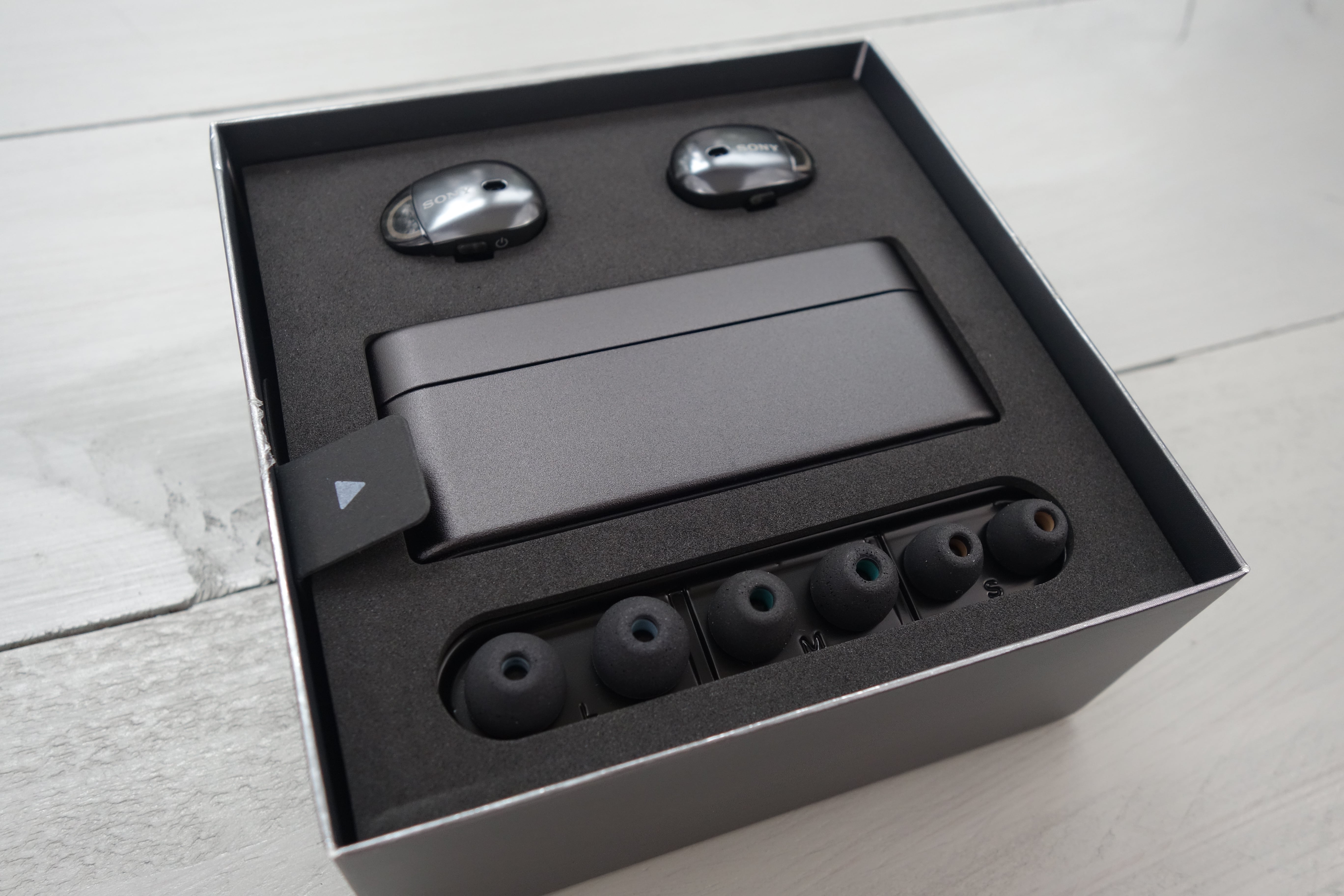 Unboxing the WF-1000X
One thing we really like about Sony’s designs is that they rarely follow in others’ footsteps. Case in point, the shape of the WF-1000X don’t look like any other true wireless earbuds currently on the market. They bear an L-shape that may initially draw confusion on how to exactly don them. But it quickly becomes apparent as soon as you realize the proper orientation. Grasping the ear tip stems and pointing the other end forward reveals how they insert in your ears. The ear tips are angled to match the shape of your ear canal.
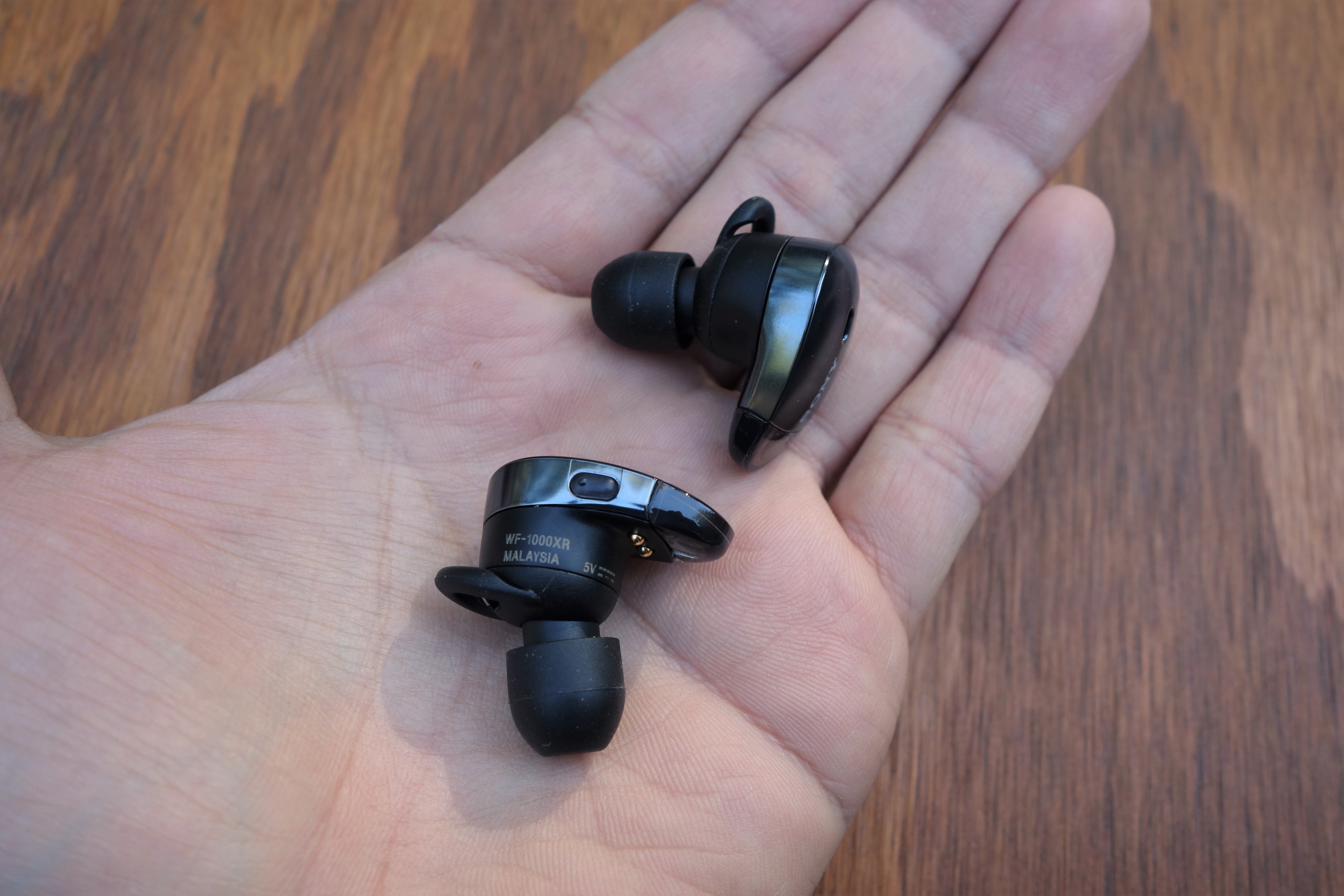

We think the reason for this design is due to all the technology at Sony desired to pack in. So instead of going outward from the ear, they wrap around a bit towards the front. This is clever and in practice, there’s no downside that we found. Despite their size, the earpieces are still exceptionally lightweight. They practically disappear in your ears. This design choice also enables Sony to have great separation between the audio driver and wireless-enabling electronics. We think this is one reason for the WF-1000X’s above average sonics (we’ll talk about the audio quality a little later).
Speaking of the build, it’s all plastic but with a finish on the primary shell that looks metallic. Our “Black” model has more of a reflective dark gray that has an attractive sheen in light. It transitions to a smooth, matte finish on the ear tip end and a small window on the other end (where a wireless receptor is visible).
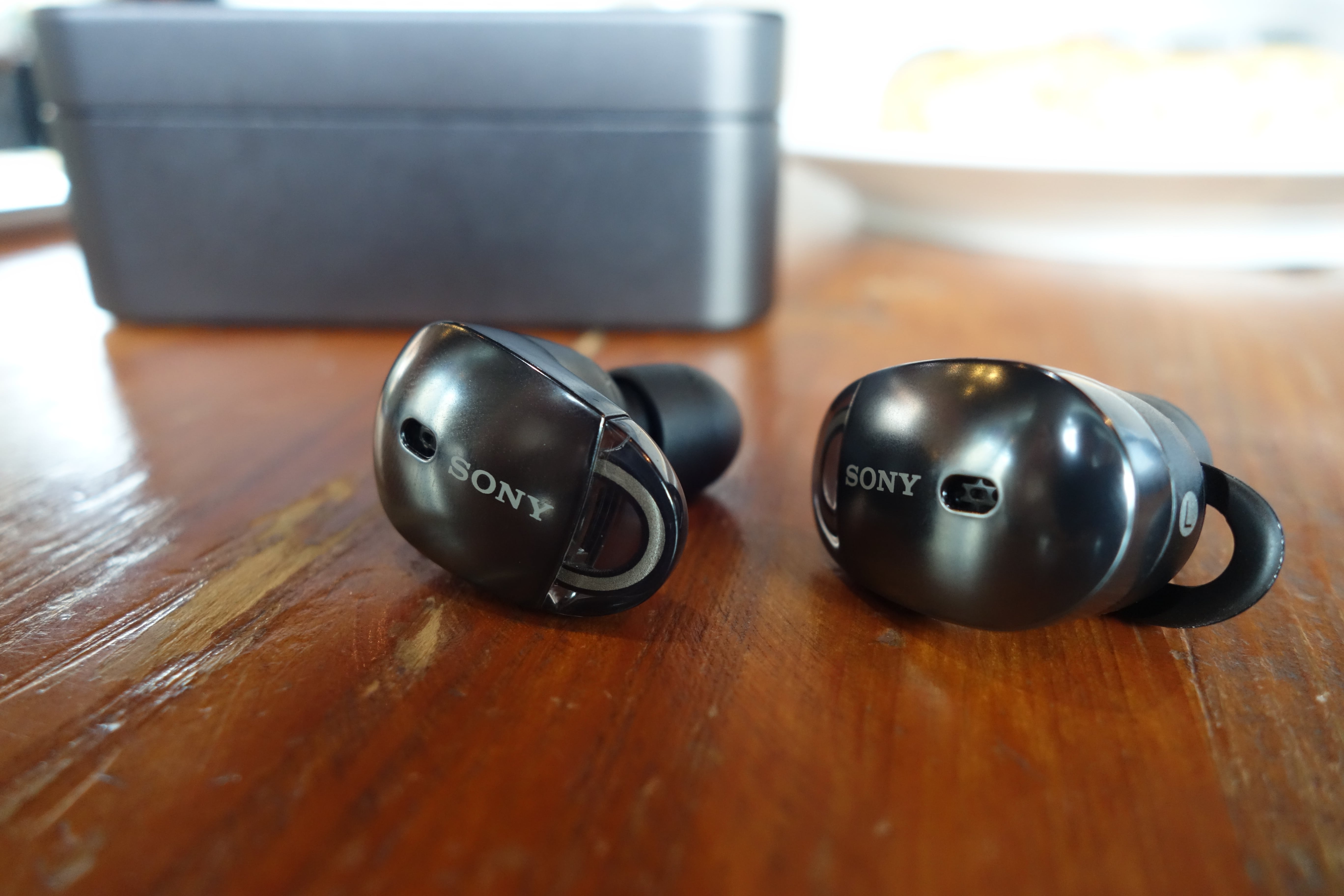
To reiterate, these earbuds are the in-ear (or in-canal) type, so the seal that the ear tips make in the ear canal are a big proponent of the sound quality. Sony’s ear tips are a firm, bullet-style and they go in pretty deep. We had no problem getting an appropriate seal. In the case that you don’t, Sony includes three different sizes of not just the typical silicone material but also foam.
We didn’t have any issue with the WF-1000X falling out, even while working out (which we don’t recommend because they’re unfortunately not water/sweat-proof). The silicone ear tips have a sticky finish that cling to your ear canals. They are very comfortable and we didn’t get any aches whatsoever.
 Included accessories.
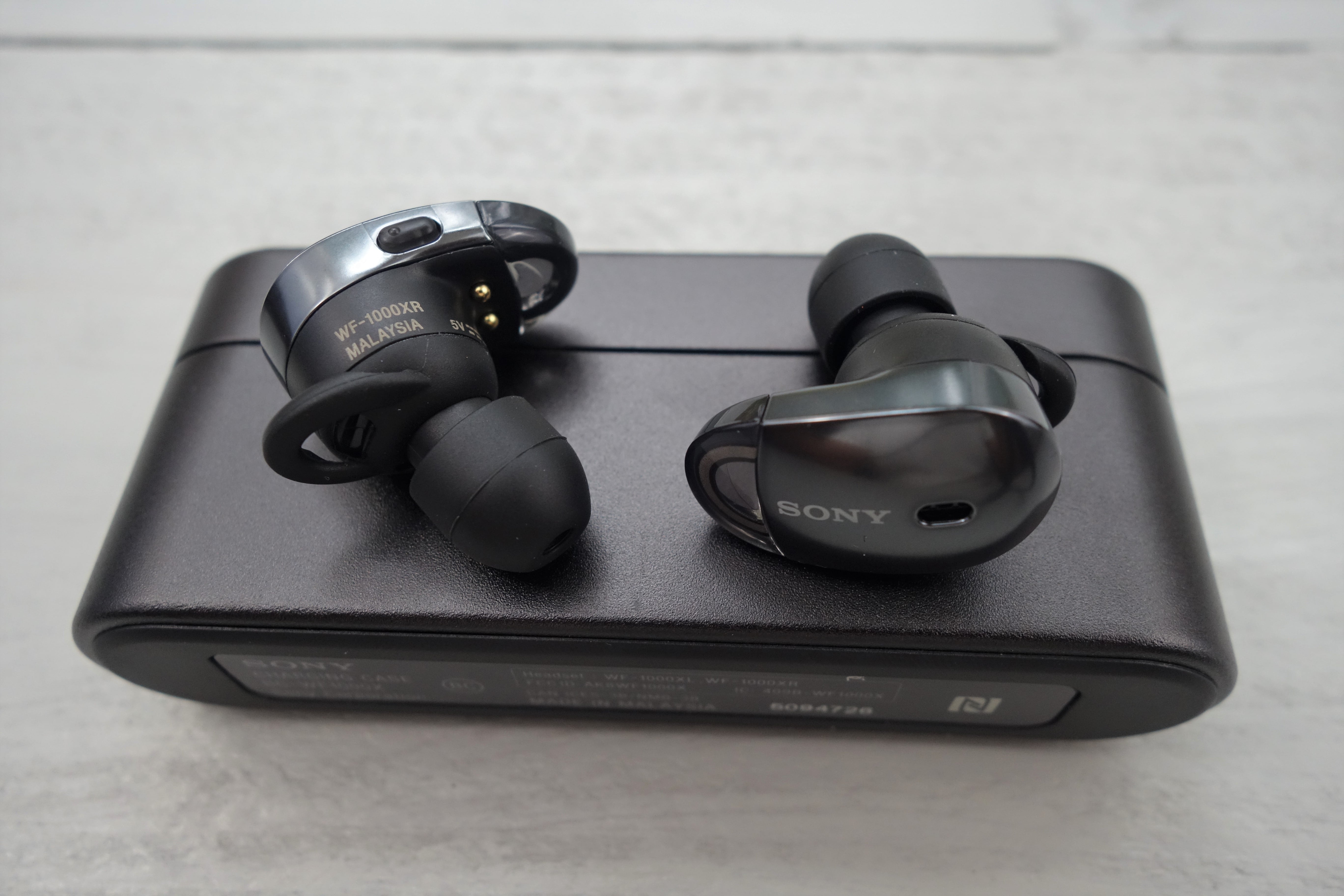
The packaging also comes with a USB-A to micro-USB charging cable, user-installable ear fins (for extra support), and a premium-feeling metal carrying case that has a battery within. True wireless earbuds struggle with battery life (the WF-1000X are no exception), so manufacturers typically put a battery in the carrying case to assist. This case has enough capacity to charge the WF-1000X through 3 cycles. This is great to have, but with a measly 3-hour rating, many your sessions will probably be cut short and you’ll have to wait until they charge up before continuing. Sometimes the future feels like we’re going backwards.
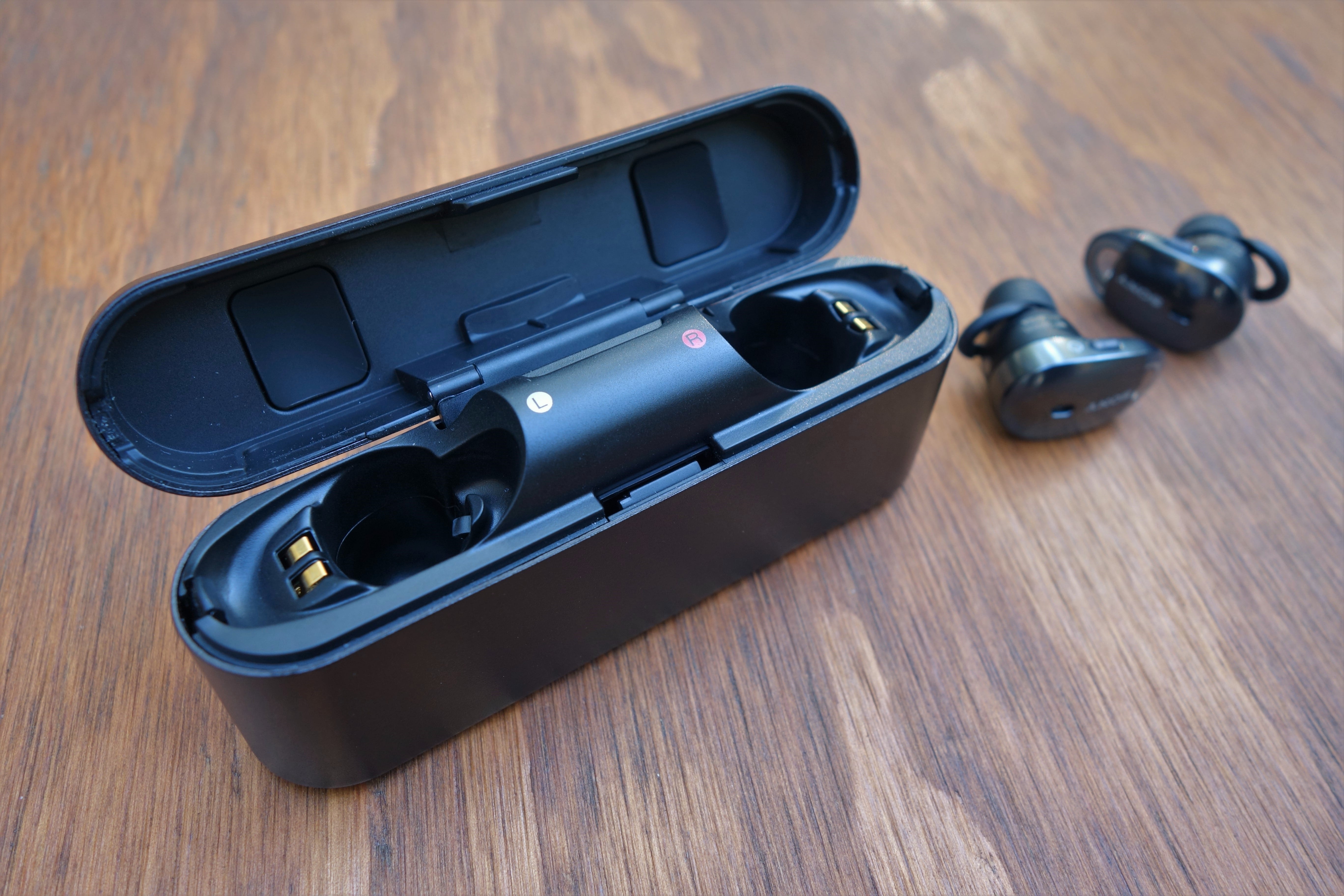
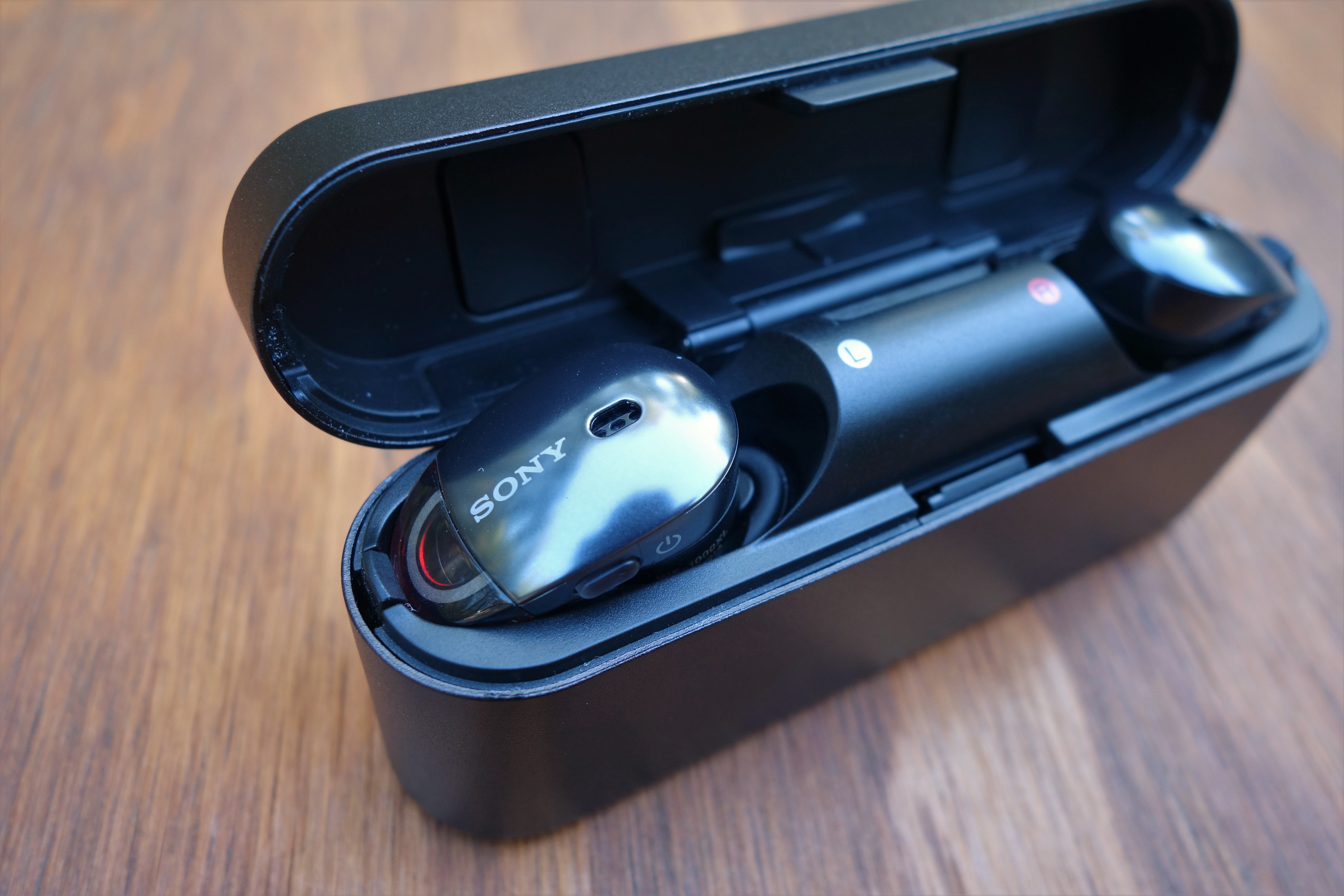
The earpieces have their specific Left and Right silos in the case. They have two pins that match up to the magnetic connectors in the case. They click into place nicely, but you do have to make sure that they get seated correctly. One time we thought we did and then ended up with no juice on the right earpiece. There’s a blue and red LED indicators that light up from the transparent portion of the earpieces. Red will shown when they’re charging. A blue flash tells the user that the earbuds are on, but they stop flashing once they’re set in the ears and the Bluetooth connection is stabilized.
Usability

It’s always interesting to see how manufacturers implement the user controls in these little guys, being that there’s not much room to work with. Some try touch controls while others try different button placements. Sony opts for buttons, one on the bottom of each earpiece. The left earpiece controls the power and mode of ANC (Sony has three sound modes: ANC on, ANC on but with audible higher frequencies, and ANC off), and the right earpiece controls playback in the typical method: single press for play/pause, double press for next track, triple press for previous track, and long press to toggle the mobile device’s virtual assistant (i.e. Google Now on Android). The buttons worked well in our use. Finding and pressing them can sometimes rock the seal, but nothing major.
I’m usually the type that likes to just plug and play. So I booted my experience with the WF-1000X by simply taking them out of the case, pairing with Bluetooth on my phone, and playing. I knew that Sony had an app that accompany the earbuds, but meh. Well, I soon found that if you want to access to the full volume capacity, you have to use the app. I was hitting the volume ceiling with just plugging and playing and got super worried for these headphones. The app has an independent volume control, for whatever reason. So what I did was cranked it up from that end so that I can solely have volume control on the Bluetooth end. This is an easy enough fix, but we still don’t agree with it. It’s not intuitive. The app shouldn’t be a necessity. I can picture users returning the WF-1000X upon running into the low volume and not realizing that the app can fix it.
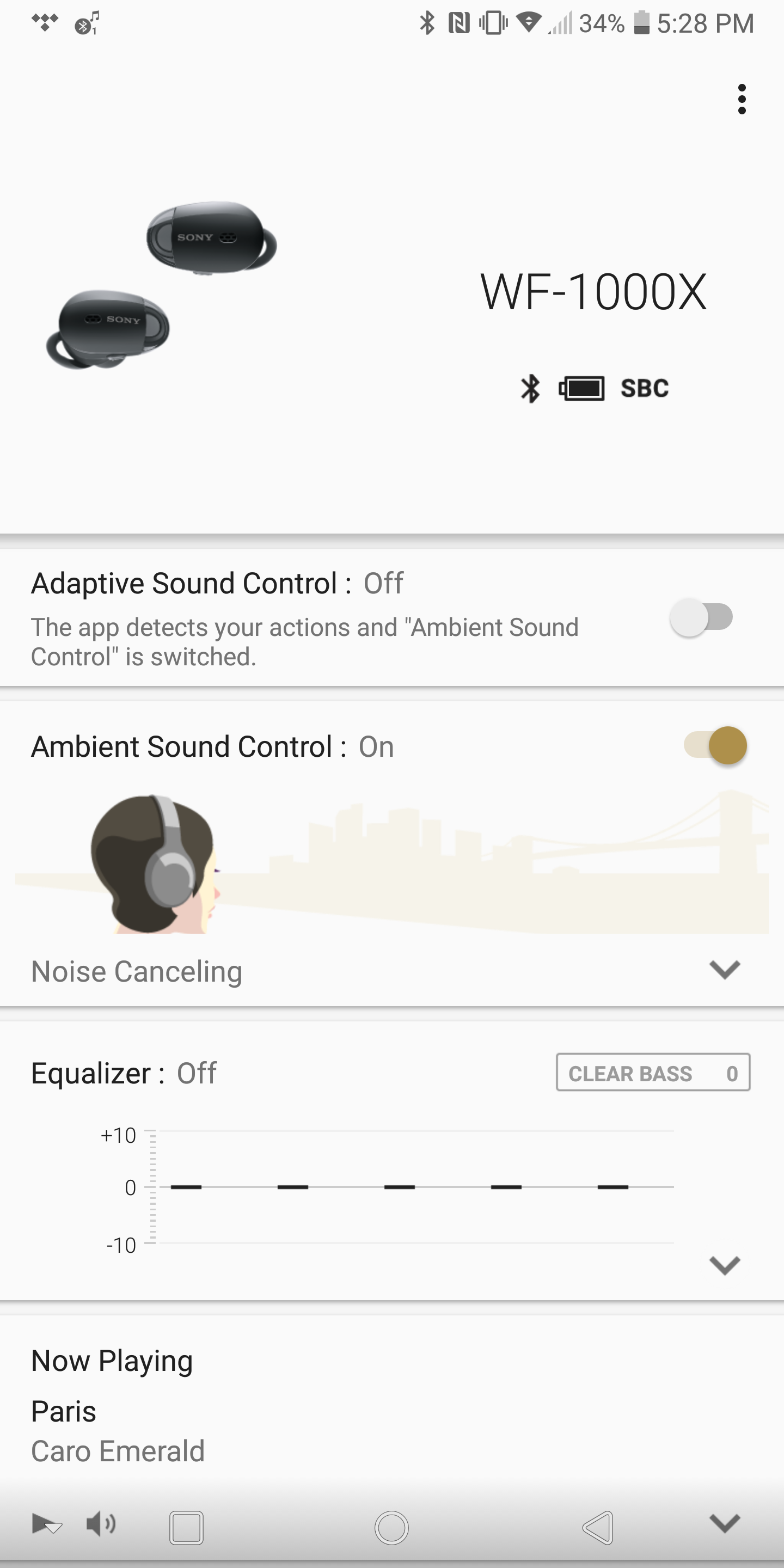
The Sony Headphone app has various feature control for the WF-1000X.
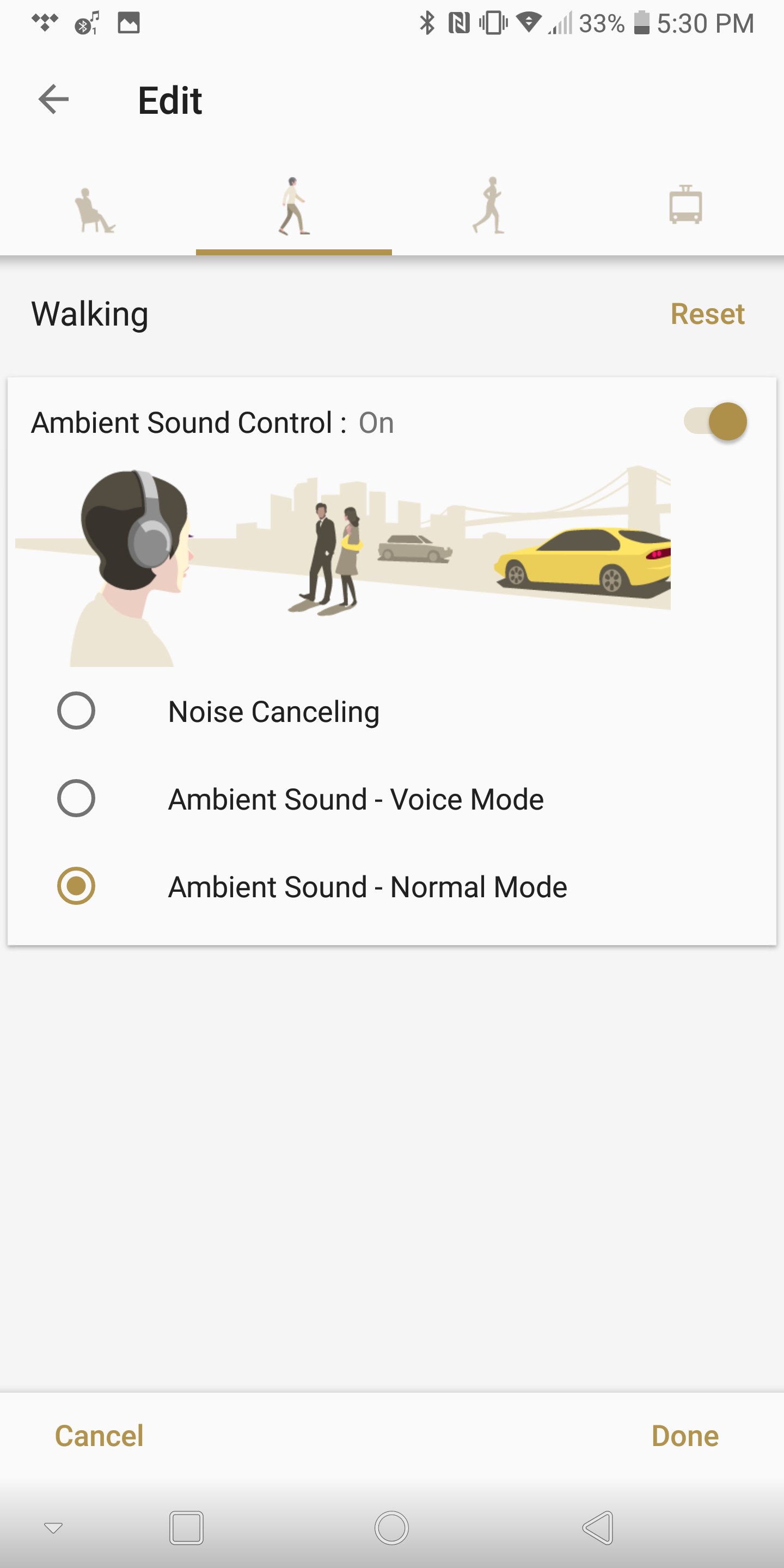
In the app, you can set the ambient mode to automatically switch to suit what you’re doing (sitting, walking, running, or traveling).
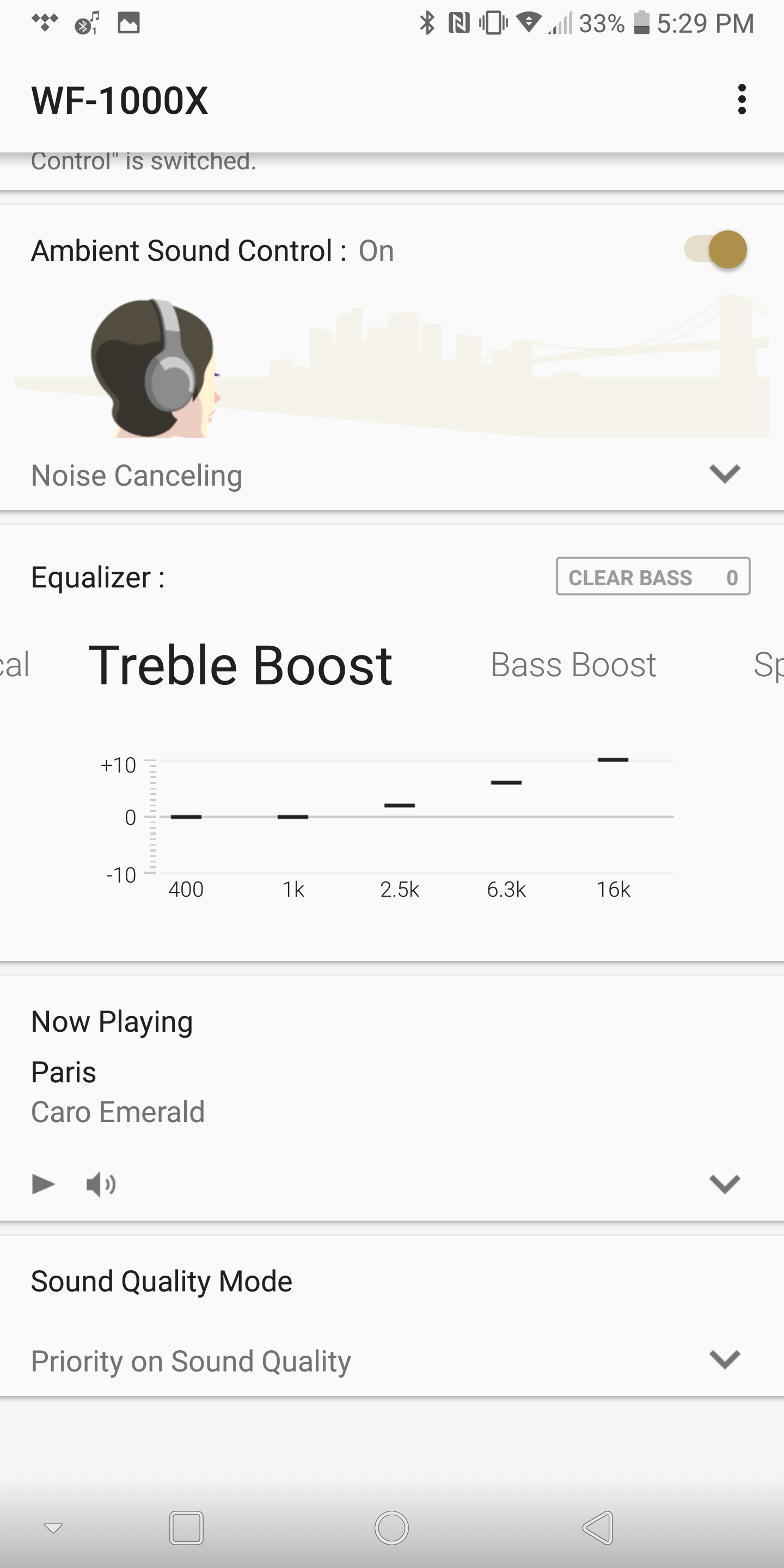
Sony includes an equalizer with various presets (but not user-customizable).
Most true wireless earbuds struggle with the Bluetooth connection. It’s understandable, since the receptors must be tiny and the range compromised. The WF-1000X are certainly not exempt from this issue, despite its design to move the receptors further out from the ears. We can’t say if the fault falls on hardware or software. Not to scare anyone, signal drop-age isn’t particularly a whole lot worse than other true wireless earbuds we’ve tried. Typically enough body movement between the source device and earbuds do it. But we have found that the signal can spaz out randomly on the WF-1000X. Usually it’s the right earpiece that gets lost (these earpieces use a master/slave relationship – the left earpiece is the master and the right links to it) and takes a few seconds to recover. Our experience with this is best described as hit or miss. Sometimes it would chug through flawlessly and sometimes it would struggle to recover. Additionally, a few times when we took the earpieces out of the case for a listen, only the left earpiece would play. We would then have to placing them back in the case so they shut off and reset and that did the trick, but annoying.
[Update: Sony has since issued a firmware update that improves the audio/connection stability. We have installed it and can tell that there are less dropouts. Additionally, Sony has linked the volume control with the system, so there’s no longer the separate controls we complained about.]
And alas, there’s the ANC. To first set the stage, we have to caution that the performance of the ANC here is not going to be on the same level as something like the Sony WH-1000XM2 or Bose QC 35. It helps block noise but it’s going to be near dead silent. We’d say it’s about half level of those. It’s up to you if that’s meaningful or not. It is in our opinion. It’s pretty amazing to have ANC at all in something this size and this challenging to engineer. In other words, we’ll take whatever we can get. In practice, you’ll mostly be cancelling out low-end rumbling, like a white noise in an office space or the rumbling of a dishwasher. Same goes for an airplane, but in this case you will pick up the higher frequency whizzing from the engines.
Sound
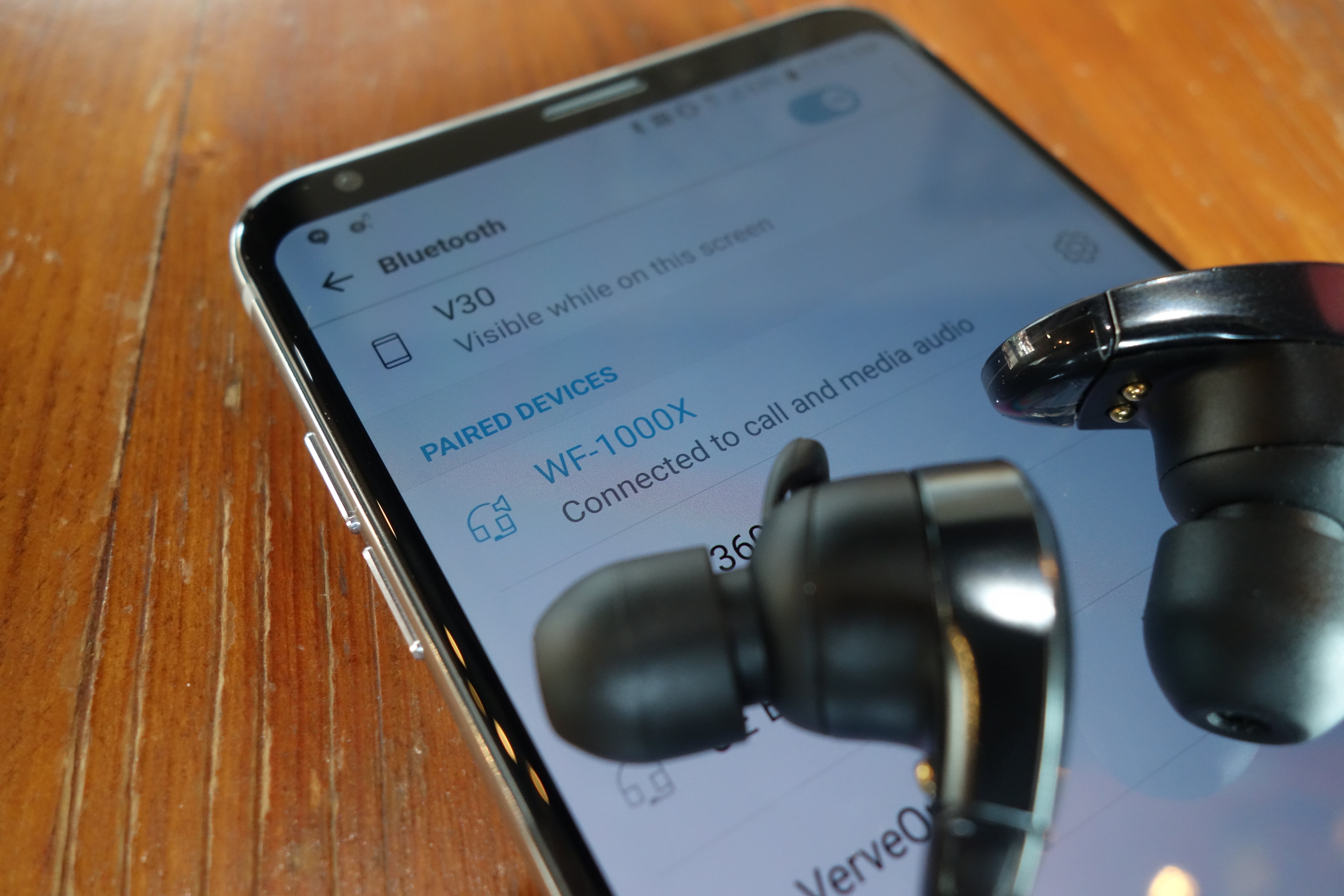 The WF-1000X easily pair to our Android phone, but Sony includes an NFC receptor on the bottom of the charging case for even quicker setup.
The WF-1000X is not going to rival any headphone in the $200 range for clarity or analytical details. That said, it is no slouch either. Dynamics are stellar, reaching higher than the price would suggest. Soundstage is also a strong suit relative to the competition. This means that the sound isn’t cohesively flat. It’s open, airy, and notes have depth/dimensionality and impact. If you can look past high fidelity, it’s a very enjoyable and engaging sound. Together with the noise-cancellation, it’s easy block out the out the outside world and get lost in the sound. In other words, Sony makes up for fidelity (which is in no way bad) with delivery and noise-cancellation.
Speaking of the frequency response, it’s fairly well balanced. As of late, Sony has been doing a great job getting a nice balance between neutrality and energy. The range upper bass to mid range is wonderfully present and well separated. But sub-bass doesn’t go as deep as you can get up the price chain. Likewise, the treble is appreciably detailed, but it not with standout quality or reach, just decent.
Like most wireless, ANC headphones, the WF-1000X isn’t exempt from low-level hiss. But it’s within the realm of reason. Unless it’s a quiet passage, the music drowns it out.
Final Thoughts
The WF-1000X are an…interesting pair of true wireless earbuds. They have a couple standout highs but also some potentially deal-breaker lows. We’d be able to recommend them, but with a glaring caution based on the iffy wireless signal – but this is significantly better now since the firmware update.
The WF-1000X sound quality is definitely where it should be for the price tag. What puts it over the edge is noise-cancellation, which no other truly wireless earbud can claim. If you value sound above other things, and want absolutely no wires, then the WF-1000X is the best that you can do at the moment.
Sony WF-1000X Link
Try not to puke while playing ‘Wipeout’ in VR next year
Wipeout might be one of the most ill-suited games for virtual reality, featuring high-speed races with brilliant flashing lights and neon streaks — but it’s coming to PlayStation VR anyway. Wipeout Omega Collection will get a free VR mode in early 2018, Sony announced during tonight’s PlayStation Experience pre-show. The VR update includes all modes and tracks in the base game, 3D audio support, plus exclusive ships and interiors. Puke bags are not included.
Wipeout isn’t the only PlayStation 4 game getting a new VR mode soon. A free VR demo for The Last Guardian is due out on December 12th, allowing players to get up close and personal with Trico.
The Last Guardian VR demo is coming to PS VR! pic.twitter.com/8zUbFNOrTp
— PlayStation (@PlayStation) December 9, 2017
Also announced at PlayStation Experience, Firewall Zero Hour is a team-based, multiplayer shooter heading exclusively to PSVR in 2018. It comes from First Contact Entertainment, a VR studio headed up by the former creative director of Microsoft’s gaming division and Adr1ft creator Adam Orth. There are two factions in Firewall Zero Hour: attackers and defenders. Attackers attempt to bypass Firewall access points, locate a laptop and initiate a hack, while defenders are tasked with trying to stop the intrusion and protect the points.
Firewall Zero Hour allows players to use a standard Dualshock 4 gamepad or the PSVR Aim Controller (that’s the one that looks like a gun).

“We want you to immediately notice a heavy emphasis on organized, tactical firefights, team communication, and realistic pacing,” Orth writes on the PlayStation Blog. He continues, “The most exciting aspect of Firewall Zero Hour is that all of this takes place in VR, allowing you alone, or with your friends through PlayStation Plus (required for multiplayer), to be transported and immersed into the action in a way that’s never been possible before until now, through the magic and presence of VR.”
 AIVAnet