


LastPass Premium now costs twice as much
LastPass announced a restructuring of its plan pricing and packaging today and the cost of its premium tier is doubling to $24 per year. Some features are also being taken away from the free plan. Those include unlimited sharing and emergency access, both of which are now only available to LastPass Premium and Families subscribers.
At $2 per month, LastPass is still cheaper than many of its competitors. Dashlane costs over $3 per month for its premium tier and 1Password’s individual plan is right at $3 each month. But LastPass has had some security issues in the past including bugs affecting Firefox and Chrome and one that could allow passwords to be stolen.
As The Verge reports, many LastPass customers aren’t too happy with the price hike and are letting the company know via the Facebook post announcing the changes. The company has said on Facebook, “The updated pricing reflects our investment in new features and line up to make our product an industry-leading password manager.” Hopefully those investments mean better security for the customers who are now paying twice as much.
Via: The Verge
Source: LastPass
Uber Freight schedules loads for truck drivers in six more states
Uber’s purchase of Otto provided the ride-sharing company with a beachhead to get into the trucking business, an entrée to the autonomous car industry and a bit of controversy. The resulting Uber Freight was announced last year, and the service intended to help truck drivers connect with cargo officially launched this May. The current business — so far focused in Texas — will expand to “major metros” across California, Arizona, Chicago, Georgia and both North and South Carolina in the next few months. The company says that these routes cover more than a quarter of the US drivers and freight. Uber has also updated its driver app to learn drivers’ preferences and load history to notify them more quickly.
Uber says that the app will show new load packs for drivers who prefer local or short haul routes, along with a new “For You” package with smarter personalized recommendations. “The enthusiasm we’ve seen from drivers and shippers alike keeps us focused on innovating in ways that put drivers first,” said Uber Freight’s Bill Driegert in a statement. “We’ve still got a lot of work to do, but are more excited than ever to deliver on the promise of leveling the playing field for America’s truck drivers.”
Via: TechCrunch, USA Today
Source: Uber
Open-world adventure game ‘Rime’ comes to the Switch this November
Tequila Works’ highly-anticipated indie game Rime, formerly planned as a PS4 exclusive, is also headed to PC, the Xbox One and Nintendo Switch. While some were worried the open-world adventure would cost more on the Switch (it won’t), Rime will still take longer to arrive on Nintendo’s portable console. The publishers have finally announced a release date for the title: November 14th for North American Switch owners and November 17th for European ones.
The digital download version of Rime will run $30 on the Nintendo eShop, while a physical copy with a code to download the soundtrack will set you back $40. “As big fans of Nintendo, we truly appreciate our fans’ patience as Tantalus and Tequila Works continue working on Rime on Nintendo Switch; we are all committed to making sure all players get the high-quality experience they deserve,” said Tequila Works’ CEO Raúl Rubio Munárriz in a statement.
iMessage App ‘Checkmate’ Available for Free as Apple’s App of the Week
Each week, Apple chooses an “App of the Week” to highlight, which means it can be downloaded for free. This week’s pick is an iMessage app called Checkmate, able to be played with friends using Messages.
Checkmate is one of the first iMessage apps to be named App of the Week, and it is normally priced at $0.99. With Checkmate, you can play a game of chess with a friend entirely over iMessages. Apple’s notes on the game:
We use iMessage for everything from keeping up with family news to sending stickers to our significant others. Sometimes, though, we just want to duke it out with knights and kings on the chessboard. What makes Checkmate so great — aside from its super-intuitive interface — is the way we can chat with (and smack-talk) as we play… or take as much time as we need to contemplate our next move.
Starting up a game with Checkmate requires you to go to the App Drawer and select the Checkmate icon. From there, updates on moves in the game are sent using iMessages. Checkmate can only be played within iMessage and it needs to be installed through the Messages App Store.
Checkmate supports multiple matches, so you can play with multiple people at one time, across all of your devices. Checkmate has no in-app purchases and regularly adds new themes for free.
Checkmate can be downloaded for free for the next seven days. [Direct Link]
Tag: App of the Week
Discuss this article in our forums
Xiaomi Mi Max 2 review
Phablets, or smartphones with display sizes larger than 6 inches, can cause quite a divide in opinion. The large form factor is a complete deterrent for most people, yet there is a niche audience for these big smartphones – young people who watch a lot of videos or are gaming enthusiasts, or professionals who enjoy the large real estate while emailing or working on documents and spreadsheets.
It’s actually quite addictive if you can live with the size – not that the latter is easy. And then there’s the huge battery life – a natural outcome of the large cell that a huge phone manages to pack in.
After introducing the Mi Max last year, Xiaomi has now launched the Mi Max 2. While it is mostly a progressive iteration of the first generation device, does it make for a compelling phablet and should consumers coming from regular-sized smartphones pick one up? Let’s find out in our review!
For the purpose of this review, I took the Indian variant for a spin. Xiaomi has launched a single variant – in memory configuration as well as color – in the country. For the video review, Bailey Stein has the international variant, in a different color. So, we’ve got it all covered.Show More
Design
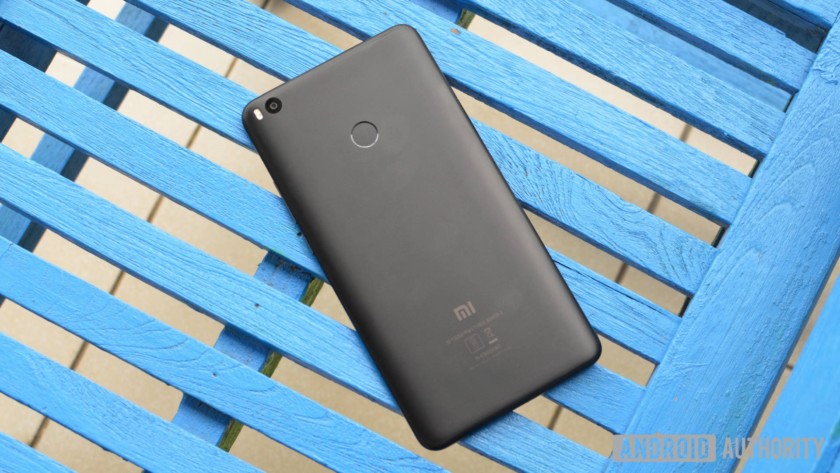
With a 6.44-inch display, the Mi Max 2 is huge in size and despite what the company wants to assert, it’s not really a comfortable phone to use when you’re walking or juggling around with more than one tasks. Typing with one hand is a tough task, for example, and it’s too big for any kind of pocket. But let’s get it out of the way because that’s precisely why you’d want to pick this phone up. It’s a big phone and at that, it’s designed quite well.
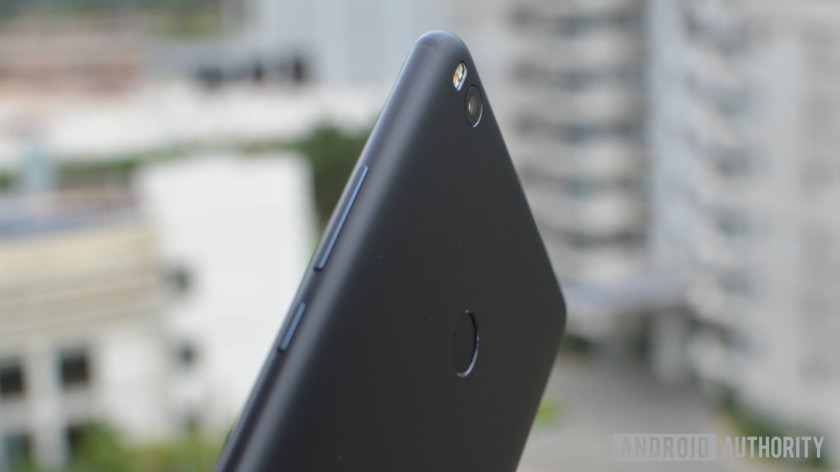
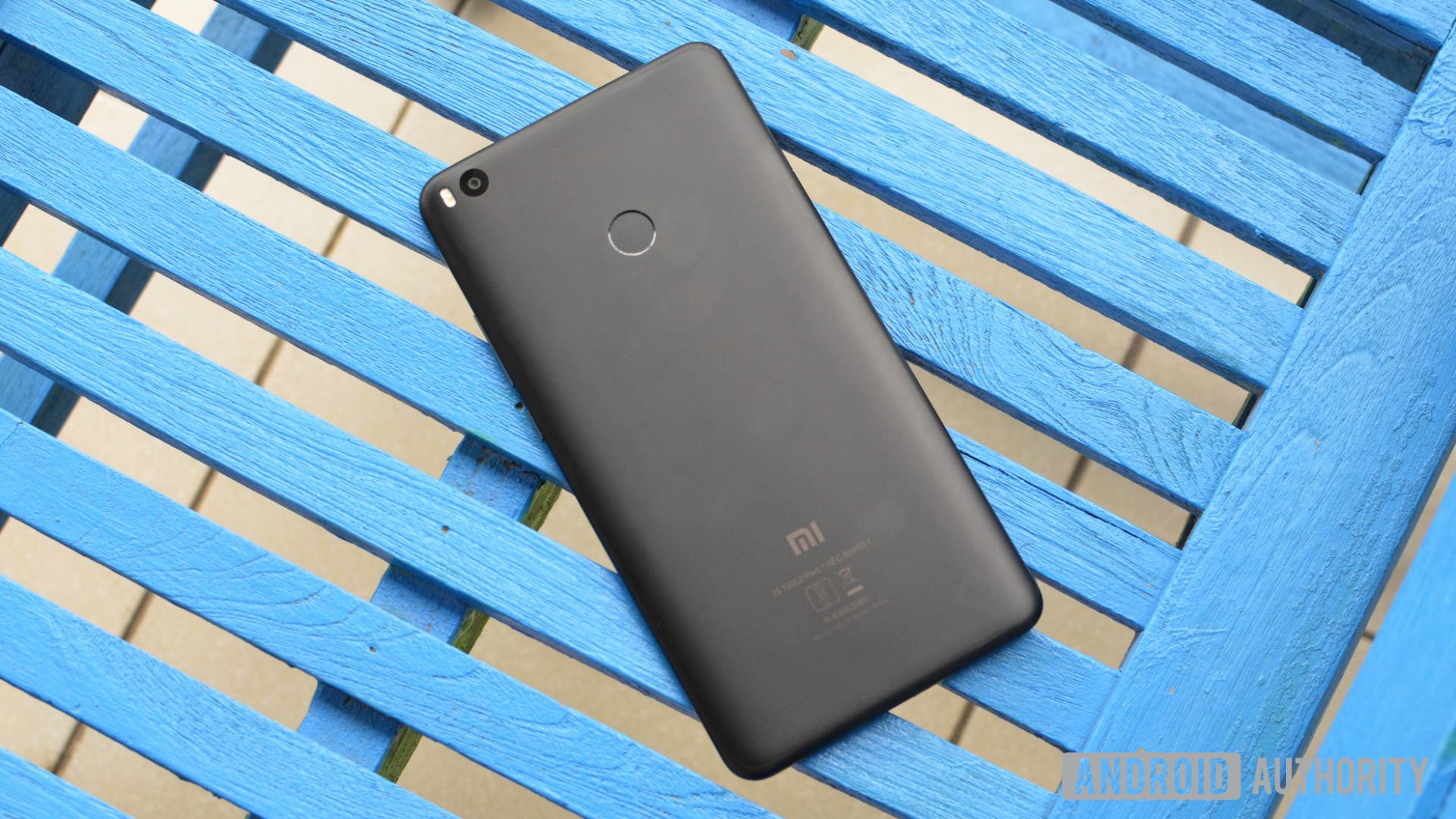
For a mid-range smartphone, the Mi Max 2 looks quite nice and the metal chassis gives it a definite premium feel. The construction quality is solid, and the matte black variant looks stunning. At 7.6 mm, it’s also quite slim and it’s remarkable that it packs the big 5,300 mAh battery that it does. It’s not light (over 200g) but the weight is evenly distributed and it doesn’t feel heavy at the top. Also, the rounded edges and sloping back make it easier to hold.
The fingerprint scanner on the back is a tad difficult to reach, especially if you have smaller hands. On most occasions, I had to use two hands to place my index finger on the scanner – not entirely because it was out of reach, but because I was conscious of not dropping the phone due to the awkward lack of grip while extending the finger.
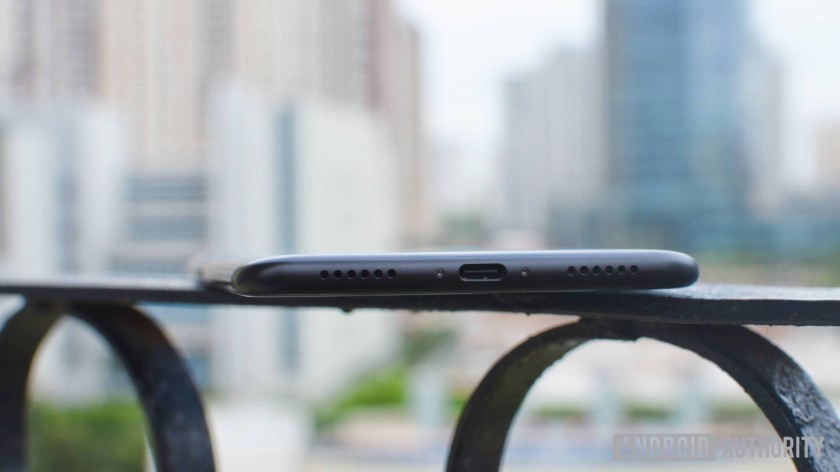
The bottom of the device sports two symmetrical grilles on either side of the USB Type-C port. That’s mostly cosmetic because only one of them is an actual speaker.
Overall, the Mi Max 2 is almost similar in size to its predecessor but the design and finish is definitely more refined this time around and more aligned with the Xiaomi design language that we’ve seen recently.
Display
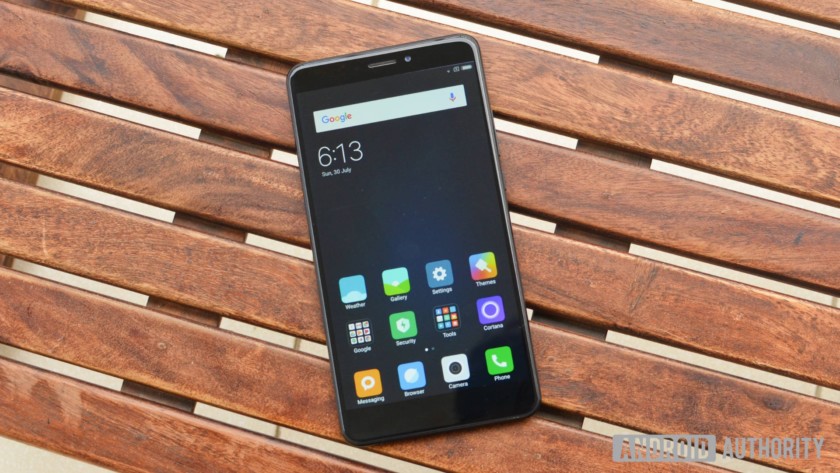
The Mi Max 2 features a Full HD 6.44-inch display which gives it a pixel density 342ppi. A higher resolution on a phone of this size would’ve been nice, but that would’ve also required a more powerful processor.
The display offers a decent level of color reproduction, and the contrast is good and it looks vibrant. The brightness levels are just about okay and phone also offers good daylight visibility, but auto-brightness doesn’t always work well and I had to resort to manual calibration sometimes.
Unfortunately, the viewing angles are limited, which is a tad disappointing for a smartphone that aims to please video consumers. The Mi Max 2 also boasts of Corning Gorilla Glass 3 for protection, which should help protect the panel against the odd bump and scrape.
Performance
The Mi Max 2 is powered by Qualcomm’s Snapdragon 625 processor, a popular and a capable chipset for smartphones in this price segment. Still, it’s a step down from the Snapdragon 652 found on the original Mi Max, and specs sheet watchers will likely be a tad miffed.
However, combined with the 4 GB RAM it packs in and the balance it aims to strike between raw processing and power consumption, the Mi Max 2 is an able performer. Yes, it is apparent that it is underpowered in outright speed comparisons and benchmark tests, but in real world usage, the performance isn’t an issue. The phone chugs along nicely while juggling multiple apps or playing graphic-intensive games. At any point, there was a little less than 2 GB RAM left available out of its 4GB pool, so multitasking isn’t an issue.
The Mi Max 2 packs in a large 5,300 mAh battery which easily gives two days of battery life on a single charge, even if you’re a heavy user like myself. Xiaomi claims 11 hours of non-stop gameplay, and the claim isn’t misplaced. I streamed HD movies from Amazon Prime Video continuously for over 12 hours starting at full charge, and still had some juice left when I was done. (Nice Harry Potter marathon, by the way!)
The Mi Max 2 also supports Qualcomm’s Quick Charge 3.0 and parallel charging, which is very important for smartphones with this big a battery else it takes annoyingly long to charge fully. Mi Max 2 takes less than two hours to go from zero to 100 percent charge, which is impressive.
Clearly, the focus of the innards on the Mi Max2 is power efficiency and the Snapdragon 625 chipset proves to be a nice workhorse without guzzling into the massive battery. A fine choice, then.
Hardware
The Mi Max 2 sports a hybrid SIM slot, so you can either use two SIMs or one SIM and one microSD card. A lot of multimedia hoarders who use two SIMs don’t usually like this arrangement – more so in a device targeted towards that group – but there’s a generous 64 GB internal storage and many people will be content with that.
The Mi Max 2 includes an IR blaster so you can control your home appliances using your phone as a remote. It works with a with a variety of appliances and brands. There’s also a USB Type-C port this time around, instead of the microUSB on the Mi Max, which is a nice and welcome progression.
Thankfully, the smartphone boasts stereo speakers, which offer quite a loud sound. While one of the speakers is at the bottom, the other one is next to the earpiece. This arrangement is slightly awkward for directional stereo sounds, but not many people will notice it.
Camera
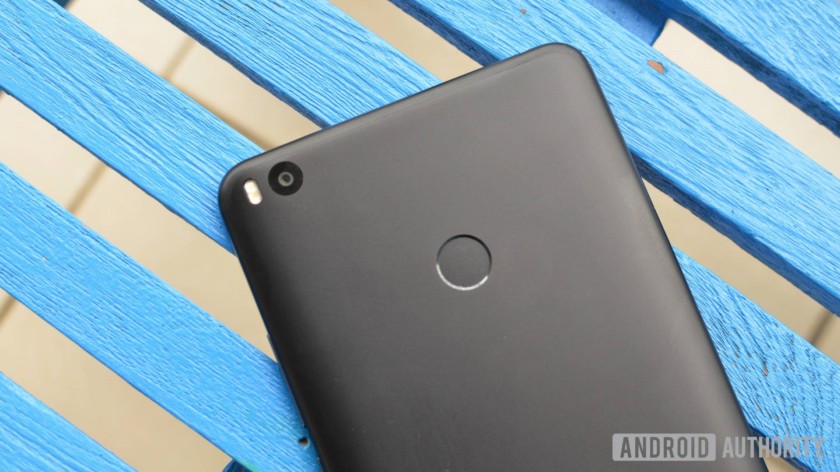
The camera on the Mi Max 2 is just about okay. The 12-megapixel rear camera with an f/2.2 aperture manages to capture photos with good color reproduction and contrast in daylight, but the lack of detail is very apparent. The phase detection autofocus mechanism facilitates faster focusing and works quite well in daylight.
In low light though, the camera is a hit-and-miss, and captures average photos. Most photos are noisy, and the lack of sharpness hurts the overall image quality. There’s dual LED flash, but it ends up washing out the subject and I didn’t really like using it. The 5-megapixel front camera takes good enough selfies – in daylight, that is. Not so pretty ones in low light.
The video quality is also pretty good and in well-lit conditions, it is remarkable. However, since there’s no optical image stabilization, most videos tend to be quite shaky, especially since it’s hard to hold a large phone with a steady hand. There’s also support for shooting time-lapse and slow-motion videos.

Software
The Mi Max 2 is Xiaomi’s first device to be powered by Android Nougat out of the box. It runs the company’s proprietary UI layer, MIUI 8.5, based on Android 7.1.1.
While the interface may be considered slightly bloated by some and is often behind on major Android updates, the design will feel very familiar to MIUI fans. Xiaomi has worked hard to offer nifty features and utilities on top of Android to enhance everyday user experience. There’s Dual Apps that allows two instances of the same app, so you can open up two conversations in WhatsApp, Second Space which allows users to keep their personal and work setup separate, and a Reading Mode that reduces glare on the display.
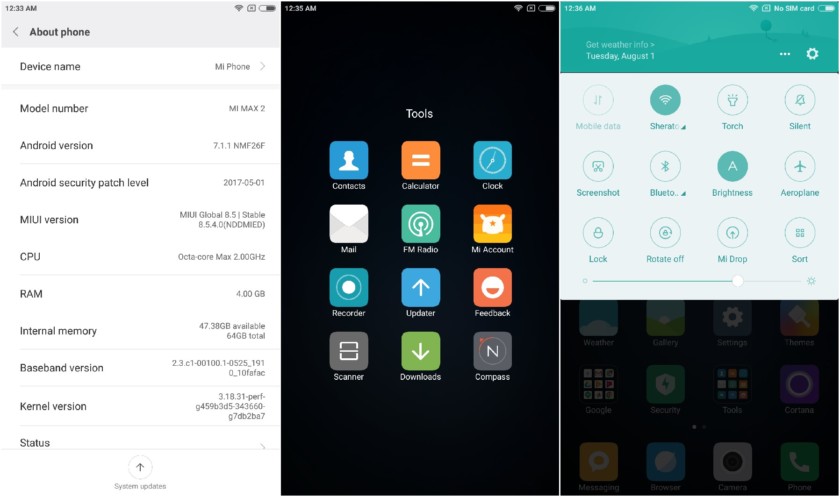
A couple of these features are quite important for the phablet actually. There’s a one-handed mode that reduces the UI size for a one-handed on-the-move use. And there’s the Quick Ball which allows shortcuts to your preferred apps by just swiping on one side of the screen.
Despite running the latest Android version, Mi Max 2 doesn’t offer split-screen functionality which is really a missed opportunity on a device with large display. However, Xiaomi has announced that the feature will roll out with an update soon, and is already available in beta.
Specifications
| Operating System | MIUI 8.5 based on Android 7.1.1 Nougat |
| Display | 6.44-inch Full HD (1920 x 1080) IPS 2.5D curved glass 450 nits brightness Corning Gorilla Glass 3 |
| Processor | 2 GHz Octa-Core Snapdragon 625 14nm Adreno 506 GPU |
| RAM | 4 GB |
| Internal Storage | 64 GB; expandable with microSD card |
| Rear Camera | 12 MP dual-tone LED Flash Sony IMX386 sensor f/2.2 aperture PDAF 1.25µm pixel size |
| Front Camera | 5 MP with 85-degree wide-angle lens f/2.0 aperture |
| Battery | 5,300 mAh |
| Dimensions | 174.1 × 88.7 × 7.6 mm |
| Weight | 211g |
Gallery
Pricing and final thoughts
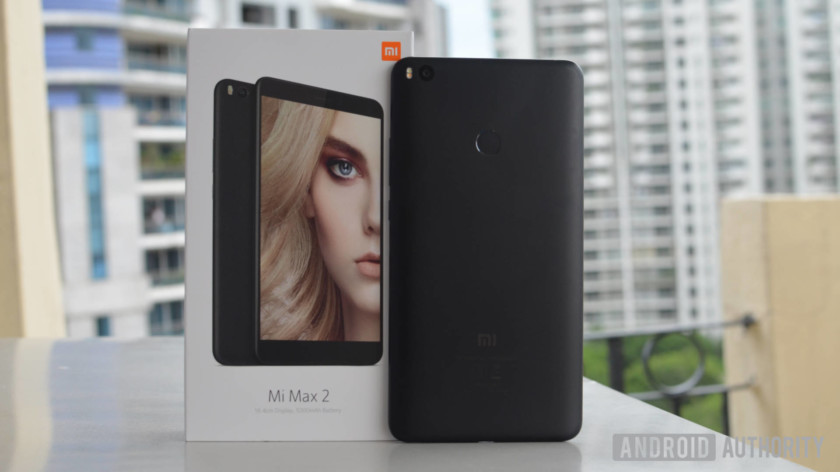
The Xiaomi Mi Max 2 is really a power bank with some smartphone features thrown in!
The Mi Max 2 is a unique device that sits right on the intersection of a large smartphone and a portable tablet. While a lot of people shrug their shoulders looking at the device, there is a definite market for it, as was evident by the success of Mi Max.
The Mi Max 2 is a nice, progressive iteration of the idea. The refined design and the incredible battery life make for a well-rounded package. The camera is not the best and the processing power isn’t top tier, yet at INR 16,999 ($270) in India, it is a great pick for anyone who wants a phone with a large display or wants a power bank with smartphone features thrown in.
GoPro bets its near future on the Hero6 and Fusion cameras
Ever since becoming a publicly traded company in 2014, GoPro hasn’t had the most positive financial results. The camera maker has been struggling to be profitable, as shown by its past few quarterly earning reports, but its future isn’t completely bleak. Today, GoPro exceeded Wall Street expectations, thanks to $296.5 million in revenue during Q2 2017, versus the roughly $270 million the market anticipated — it’s also a huge jump over the $220.8 from the same quarter last year. That said, GoPro still isn’t profitable, since it reported yet another revenue loss. This time however, it was $30.5 million, which is much less than the 91.8 second-quarter loss in 2016. In other words, at least it’s moving in the right direction.
“GoPro is building momentum,” Founder and CEO Nick Woodman said in a press release. “Hero6 and Fusion, our 5.2K spherical camera, are on course to launch later this year and we continue to track toward our goal of full-year, non-GAAP profitability in 2017.” He also highlighted the recent introduction of QuikStories, a feature that automatically creates movies from your clips and lets you share them on Instagram and Twitter. Woodman believes QuickStories is the “biggest leap forward” since the invention of the original GoPro camera. All in all though, he added, strong demand and better cost management were the main reasons behind the good results in Q2 2017.
Leading the way was GoPro’s flagship action cam, the Hero5 Black, which was the best-selling digital camera in the US during that quarter, according to research firm NPD. The Karma drone brand, meanwhile, managed to claim the second spot in its category in Q2 2017 — GoPro says it expects these devices to do well internationally, particularly as we approach the holiday season. As for what you can expect down the road, aside from the Hero6 and Fusion, GoPro’s Chief Operating Officer Charles Prober said that the goal with future products is to make smartphones “central to the GoPro experience,” though he didn’t dive into any specifics.
Developing…
Source: GoPro
The Wirecutter’s best deals: Google’s Daydream View VR headset drops to $60
This post was done in partnership with The Wirecutter, a buyer’s guide to the best technology. When readers choose to buy The Wirecutter’s independently chosen editorial picks, they may earn affiliate commissions that support their work. Read their continuously updated list of deals here.
You may have already seen Engadget posting reviews from our friends at The Wirecutter. Now, from time to time, we’ll also be publishing their recommended deals on some of their top picks. Read on, and strike while the iron is hot — some of these sales could expire mighty soon.
Rachio Smart Sprinkler Controller (Generation 2)

Street price: $185; MSRP: $200; Deal price: $150
Here’s a great deal at $150 ($145+$5 shipping) and the best price we’ve seen on the 8-zone version our smart sprinkler controller pick. With summer heat scorching yards left and right, this is a nice opportunity to grab a tool to fight back against the elements at a reasonable price. The 16-zone is also available to select (via dropdown) for the lowest price we’ve seen at $180 shipped if you have a larger yard or just require more control zones.
The Rachio Smart Sprinkler Controller (Gen 2) is our top pick in our Smart Sprinkler Controller Guide. Jennifer Pattison Tuohy writes, “After spending two months with six smart irrigation controllers in a sunny South Carolina yard, we’re confident the Rachio Smart Sprinkler Controller (Generation 2) is the best choice for most people with an in-ground sprinkler system. Any smart controller will save you water and money compared with a simple timer, but the Rachio is the best of the ones we tested. It’s available in eight- and 16-zone models (you can add a second device to control more zones), responds to real-time weather conditions and forecasts, offers the best selection of customizable and intelligent watering schedules, and gives you control of your sprinklers from anywhere in the world through its intuitive app. It provides the simplest and best user experience, as long as you have reliable Internet connectivity.”
Delsey Helium Aero 29-Inch Suitcase

Street price: $130; MSRP: $140; Deal price: $95
This is a new low price for the polycarbonate Delsey spinner at $95, just shading our previously posted deal price back in May. While we’ve seen a few isolated drops in the past 3 months, deals on this suitcase tend to be rare and end pretty quickly, so pick it up soon if you’re in the market for hard-sided luggage. Currently, it’s available for this price in the Titanium color only. Shipping is free.
The Delsey Helium Aero 29-inch Luggage is the larger version of our budget pick in the best checked luggage guide. Kit Dillon writes, “… for travelers on a budget, or people who specifically want a hard-sided piece of luggage, the Delsey Helium Aero 25-Inch is a great bargain. Though many hard-shell bags in this price range are made with cheaper and less-durable ABS plastic, the Helium Aero is 100 percent polycarbonate. This gives it a sleeker finish and superior impact resistance. In fact, this is the same type of material used in the so-called “lower-end” models from Rimowa, such as the Salsa, which sells for about six times as much as the Helium. And in case anything goes wrong, Delsey backs this bag with a limited 10-year warranty. It also has a built-in TSA-approved lock for added peace of mind.”
Google Daydream View

Street price: $80; MSRP: $80; Deal price: $60
This is a nice deal on the Daydream View VR headset and the first sale since they’ve made the Daydream View compatible with the Samsung Galaxy S8. While it’s not the lowest price we’ve seen, it’s within $10 of the previous low and still a nice $20 drop from the normal street price. This deal will last until August 12th, so you’ve got a little bit of time to make up your mind.
The Google Daydream View is our top pick for the best VR headset for your phone so far. Signe Brewster writes, “The Daydream View headset is made from soft, lightweight materials that allow you to forget you have a phone hanging from your face. The included controller, which tracks the position and location of your hand, makes entry-level VR fun and approachable, and is something the Gear VR can’t match. The Daydream View works only with the Google Pixel, the Pixel XL, three Moto Z phones, and Samsung’s Galaxy S8 and S8+, but more phones should have Daydream support next year. There also isn’t as much to do on the Daydream View yet as there is on the Gear VR, but that should change quickly as developers port apps from Gear.”
Eufy RoboVac Robotic Vacuum

Street price: $220; MSRP: $220; Deal price: $200
While this isn’t the lowest price we’ve seen for the RoboVac 11, it’s still a nice deal and a drop of over $20 from the normal street price at $198 (price reflects in cart as part of 10% off Anker products over $100 sale). We’ve only seen this robot vacuum on sale a few times in the past, so this is a fairly rare deal. The Eufy RoboVac 11 is already a bargain price-wise relative to other robot vacuums, so any time it goes on sale you have an opportunity to get excellent value. Shipping is free.
The Eufy RoboVac 11 is our new top pick in our guide to the best robot vacuums. Liam McCabe writes, “The Eufy RoboVac 11 is the smart-money pick for most people who want a robot vacuum cleaner. In our testing and research, the RoboVac 11 was the most likely to complete a cleaning cycle on its own, without getting stuck and waiting for a human to rescue it. That’s the most important part of a robot vacuum’s job, and the Eufy 11 does it better than almost any other model we’ve seen, even those that cost hundreds more. It’s also quieter than most other bots, is one of the lower-cost models to come with a remote control, and the brand (an offshoot of Anker) has a good track record for customer service. Its cleaning power is not particularly strong, and its semi-random navigation system may miss patches of floor. But the 2.5-hour battery life (among the longest we’ve seen) helps to offset those limitations. Overall, it’s good enough to keep the floors tidy in just about any home if you run it at a few times per week, yet costs much less and comes with fewer caveats than any other robot vacuums that can say the same.”
Because great deals don’t just happen on Thursdays, sign up for our daily deals email and we’ll send you the best deals we find every weekday. Also, deals change all the time, and some of these may have expired. To see an updated list of current deals, please go to The Wirecutter.com.
HomePod Firmware Suggests iPhone 8 May Record 4K Video at 60 FPS With Both Front and Rear Cameras
We’ve learned a lot about the upcoming iPhone 8 thanks to HomePod firmware that Apple accidentally released to the public, and the latest detail highlights what we can expect from the front and rear cameras in the device.
Uncovered by Brazilian site iHelp BR, code within the firmware seems to hint at front and rear cameras capable of recording video in 4K at 60 frames per second.
Currently, the rear camera in the iPhone 7 and the iPhone 7 Plus is able to capture 4K video at 30 frames per second, while the front-facing camera is limited to 1080p recording. Though these specifications are mentioned, it’s not yet entirely clear if this is functionality that we can expect to see in the iPhone 8, but the improved frame rate could be useful for the augmented reality applications coming in iOS 11.
From leaks earlier this week, we’ve also learned that the front and rear facing cameras may also gain “SmartCamera” features able to detect different types of scenes, photo conditions, and photography subjects.
The HomePod firmware has provided a wealth of information about the iPhone, and in addition to these camera changes, it’s also confirmed infrared facial recognition, the general shape of the iPhone 8, and features like a split sensor bar and tap to wake.
Related Roundup: iPhone 8
Discuss this article in our forums
Samsung built a bizarro flip phone with smartphone-caliber specs
Why it matters to you
It seems like flip phones may not be dead just yet — in fact, judging by Samsung’s new release, major companies are still thinking about them.
Samsung has taken the wraps off of its latest phone — and it’s a flip phone called the Samsung Leader 8. What makes this phone a little different from others, however, is that under the hood it’s almost as capable as any other flagship phone you’d see on the market.
For starters, the phone features the Snapdragon 821 processor — which is the chip you might have seen in 2016 flagships like the Google Pixel and Samsung Galaxy S7. On top of that, you’ll find a nice 4GB of RAM and 64GB of storage. The phone also features a 2,300mAh battery — which may not sound like much, but will probably get the phone through the day thanks to the much smaller display, which sits in at 4.2 inches.
When it comes to the camera on the back, the phone sits in at 12MP with an f/1.7 aperture. Right under the camera, you’ll see a fingerprint sensor — which seems like a pretty awkward positioning for a flip phone. The phone doesn’t stop at great specs either — it supports Samsung service you’d find on other phones, too, like Samsung Pay and wireless charging.
It’s certainly an interesting concept, though if you live in North American you probably won’t be able to get your hands on it. Samsung hasn’t announced anything related to pricing or availability just yet apart from the fact that it will be available in China — but if it is launched in other countries it will likely only be in other parts of Asia.
This isn’t the first time in recent years that companies have revisited the idea of a flip phone. Just last year Samsung launched the Samsung Galaxy Folder 2, which had midrange specs rather than the flagship specs you’ll find on the new device. Not only that, but in June LG launched the LG Exalt LTE — which also happened to be the first LTE-only device available from Verizon.
So are we seeing a resurgence in the humble flip phone? Probably not — but it’s still fun to see the form factor live on despite the fact that most of the world has moved on.
Solar sunglasses generate electricity while you wear them
Why it matters to you
Solar cell sunglasses will let you look cool, and keep your gadgets charged at the same time.
Ever wanted to act like an aging rock star and wear your sunglasses wherever you go, but feared that you didn’t have a good enough reason to do so? The folks at Germany’s Karlsruhe Institute of Technology are here to help! What they’ve developed are a pair of so-called “solar glasses,” which generate electricity by way of solar cells that also double as the glasses’ lenses. This electricity can be used to power smaller devices like pedometers or hearing aids — or could possibly even give your smartphone or smartwatch some added juice as and when required.
“The solar glasses demonstrate integration of organic solar cells in smart devices,” researcher Daniel Bahro, a PhD student specializing in the development and optimization of organic tandem-solar cells, told Digital Trends. “This emerging photovoltaic technology offer some unique properties like transparency, tunability in color and shape, and its low weight makes it perfectly adaptable to any application design. The energy yield is used to drive an electronic circuit including sensors, a microprocessor and two displays attached to the temples. This very basic configuration of a smart device — even under indoor lighting conditions — continuously records the ambient temperature and the current output of the solar cells, without any additional power source like a battery.”
Understandably, the glasses work best in full sunlight, but each lens can still generate 200 microwatts even under 500 lux direct indoor illumination. No, that’s not going to power your MacBook any time soon, but it could — as Bahro notes — be enough to charge smaller devices like step counters. Plus, with solar cells making advances all the time, this could just serve as a proof of concept to be further developed.
“Since we are a university-based research group, we are personally more focused on issues like advancing fabrication techniques and device architecture of the solar cells itself,” Bahro said, concerning possible commercialization. “The solar glasses were made to demonstrate what possible future applications and markets are in range, and should not be seen as a product ready for the market.”
If you are in the market for a portable solar cell, there are options like this new solar charging backpack which can provide a similar application — albeit with larger solar cells. Still, now we’ve heard about this project, our hearts are kind of set on solar-charging shades.
A paper on the project was recently published in the journal Energy Technology.
 AIVAnet