


When to choose DVD replication
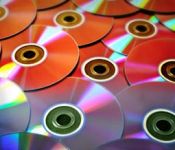

DVD replication is the replication of a DVD so that the same data contents have been copied onto multiple DVD disks. Whereas smaller quantities of DVDs are usually best copied using duplication, replication allows the user to produce many disks all of which are the same as one another, in a quick and cost effective manner without compromising on quality. Replication is the ideal solution when the client wishes to produces large numbers of the same DVD for wide sale or distribution.
Duplication and replication
Whilst for smaller volumes, duplication is usually the most cost effective way of creating DVDs when looking at quantities of greater than 500 disks, replication is the most cost and time effective solution. Replication of DVDs allows you to produce high numbers of the same DVDs whilst maintaining a high quality result.
The process for creating these larger batches is different and because of this the end product is also differs from the results of DVD duplication. Replication produces three different types of disk, these are: DVD-5, DVD-9 or DVD-10.
DVD 5 has one side with a single layer of recording; this has enough capacity for 4.7GB of data.
DVD 9 has one side with dual layers of recording; this has enough capacity for 8.5GB of data.
DVD 10 has both sides with a single layer of recording; this has enough capacity for 9.4GB of data. This requires turning at 4.7GB.
Advantages of DVD replication
DVD replication has a whole host of advantages which makes it’s a useful process, these include:
– A standardised and high quality result meaning no degradation from disk to disk, this means less concern about faulty products
– A cost effective solution to produce large numbers of DVDs meaning that profit margins on disks for sale can be increased
– A quicker turnaround time than duplication on high quantities of disks
– The ability to exploit all of the functionality of DVDs, including large capacity as well as ability to add menus to your disk
The process of DVD replication
A DVD replicator uses a different process in that it does not involve ‘burning’ the DVD disks as you would for DVD duplication. Instead the following process is used meaning that each disk is produced individually. This ensures the uniformity of the disks as well as a high-quality result.
Firstly, a glass ‘master’ is produced using the client’s original master, this is the disk which contains the data that you wish to copy. The next step is that this glass master is used to produce a nickel ‘stamper’ tool, this is the tool that will be used to create the disks. Each disk is then injection moulded using clear optical-grade polycarbonate substrates from the nickel stamper. The clear disks that are produced from the stamper are then metallised and lacquered to produce the finished DVDs. These DVDs are then ready for any final processes such as printing and packaging prior to their distribution.
For more information please visit the website: Duplicationcentre.co.uk.
Martin Jonson is director of the UK’s leading DVD/Blu-ray/CD duplication company providing exceptional quality at the lowest UK prices. He offers next day delivery anywhere in the UK and will complete your job quickly with the greatest care. You can connect with him on Google+.
 AIVAnet