


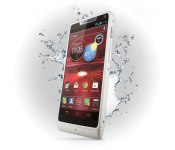
How would you change Motorola’s Droid RAZR M?

Before it became the cuddly face of Google’s handset business, Motorola had a knack of knocking out sweet hardware at low prices. The RAZR M, for instance, combined a svelte body, 4.3-inch display and a nippy Snapdragon S4. When you factor in the $99 price point, you can see that, while it won’t have excited spec-hounds, mainstream users would find much to like in the package — kinda like the Moto X in that regard. When we reviewed it, we showered it with praise for those reasons, but now that you’ve had some time to get to know this handset, were we right? Share your experiences on the forum.
CES 2014: Cameras and digital imaging roundup

As in years past, CES wasn’t the premier showcase for groundbreaking digital imaging products, but we still saw our fair share of photo-centric updates. Of course, with manufacturers highlighting a wide array of 4K televisions, it wasn’t surprising to see them emphasize Ultra HD on the capture side of things, too. Most notable on that front was Sony’s compact $2,000 4K Handycam. It’s significantly smaller than the company’s pricier alternative, and it scores major points for affordability, too. Other manufacturers also peddled 4K shooters, such as Panasonic with its GH and head-mounted prototypes, but the pre-release versions on display weren’t nearly as compelling as the model Sony plans to start shipping in March.
As for still cameras, Nikon was the only manufacturer to (albeit quietly) launch a flagship. The D4S isn’t shipping to photographers any time soon, but it will debut on the sidelines at the 2014 Winter Olympics next month, as select pros cover the Games with the latest and greatest DSLR. As for consumer models, Canon’s PowerShot N100 takes the cake for most innovative point-and-shoot, thanks to its somewhat-gimmicky rear-facing camera positioned above the flip-up LCD. Sony also delivered a new mirrorless cam, the Alpha 5000 (the company ditched the NEX branding last year). Nearly all of the photography products we’ve seen this year come equipped with WiFi, expanding instant sharing functionality beyond hybrid models like Samsung’s Galaxy Camera 2.
If you didn’t get what you were hoping for on the digital imaging front at CES, stay tuned for CP+ next month. Japan’s annual camera show is sure to bring plenty of point-and-shoots, and perhaps even an up-close look at the Nikon D4S.
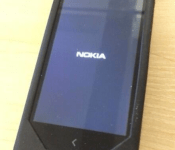
Android Powered Nokia Normandy Prototype Poses for the Camera

The Nokia Normandy has been on all our minds since we first heard word of it, simply because we are finally going to get that Android powered Nokia phone. We have already heard many rumors, as well as leaked images for the phone, provided by evleaks. The leak king has once again given us something from the Nokia Normandy, and that is the very image you see above. Apparently that is the prototype of the Normandy that someone took a picture of.
It definitely looks like a brick of a phone, but again, it is just a prototype. Wouldn’t surprise me if a video of this prototype leaks out somewhere, and I will do my best to keep an eye out for it. In the meantime, let us know if you would jump onto the Android powered Nokia phone.
Source: @evleaks
Goal Zero Launches Some Serious Power Solutions at CES 2014
Goal Zero might not be a household name across the globe, but it really should be. They make some of the leading outdoor gadgets and gizmos that any camper, nature hiker or outdoor lover who needs some juice when outlets just aren’t possible very happy.
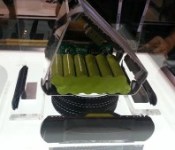
At CES 2014 Goal Zero made two new product announcements. We were privileged enough to meet up with Lisa from Goal Zero to take a closer look and snag a bunch of great photos of the new products, along with some older ones. One of the bigger product announcements and show cases was the new Sherpa 100.


The Sherpa 100 packs in high powered batteries that deliver 8,800 mAh of battery power to any device you own. Unlike traditional battery banks this bad boy integrates in 2 USB ports @ 2.1smps, a 6mm 23v out, a multitip port for laptops and an AC inverter. The Sherpa 100 sucks power in either from a 12 volt car charger (takes about 4 hours to charge), a traditional wall outlet (about 3 hours to charge), or from a solar panel (about 10 hours to charge). The solar charge timeline is based on their Nomad 20 panel.

Next up they brought out the new Rock Out2 Solar. It looks and feels identical to the original Rock Out with the exception of a few minor physical changes and the inclusion of a built-in solar panel to charge the internal battery. This little guy packs in an 800 mAh battery, 2x 40mm 3W drivers and has an average runtime of 20 hours. Inside is a place for your phone and a 3.5mm headphone jack. It does run on Bluetooth as well, so don’t go thinking you HAVE to be plugged into listen.


It was built tough too. The rep had no issues about tossing it around in the air and sending it to the showroom floor. As you can see in the images above, the internal cords are placed neatly on the back of the speaker housing and won’t get tangled or in your way. If push comes to shove, it even has a USB plug attached to charge the speaker up as well.
The Sherpa 100 is available for order, but shipping is set for January 22nd. It is listed for a moderately priced $349.99. Might seem high considering we have seen 10,000 mAh and 13,000 mAh battery banks for much less. However, many of them don’t bring the raw power to push the right volts and watts to power up that laptop. The added digital screen to tell you EXACTLY the remaining power remaining is pretty slick too.
The new Rock Out2 Solar speaker isn’t quite ready for you to stash for the summer camping season. It is scheduled to launch early summer of this year is expected to hit at $129.99.
Below you will find plenty more images to sift through. Things like the Lighthouse 250 Lantern, which is super cool with the ability to charge up via solar and a hand crank. Not to mention the impressive line of Yeti Solar Generators that can power a TV, Mini Fridge, Laptops and anything else you can throw at them.


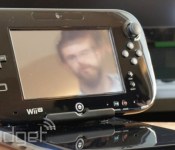
Tell-all explores the Wii U’s development problems

It’s no secret that some game developers dislike the Wii U — performance issues, limited internet features and relatively slow console sales have made it tough for companies to justify support. But have you ever wondered what, exactly, went wrong? Wonder no more, as an anonymous developer has just shared many of the gritty details with Eurogamer. The insider claims that the sluggish CPU has been a concern since the beginning, and that the programming tools (not to mention feedback from Japan) have been sub-par. Nintendo’s inexperience with online services is also very clear. The company created chaos for Wii U developers with network code that only arrived at the last minute, and a key team hadn’t even tried PlayStation Network or Xbox Live before the Wii U’s launch. Price cuts and high-quality first-party games have helped Nintendo since then, but the source suggests that the firm can only do so much to court third-party developers entranced by more powerful hardware.
Source: Eurogamer

CES 2014: Gaming roundup

Gaming is once again a thing at CES! Since splitting from the Consumer Electronics Show in 1995 and creating E3, the game industry has sat out much of the past 20 years. Between last year’s big news from Valve and this year’s reappearance of Sony’s PlayStation, it’s never been a better time to be a journalist covering gaming at CES.
In case the resurgence of gaming news wasn’t enough to solidify our belief, the first ever Engadget-hosted Official CES Awards Best of Show trophy went to Oculus VR’s Crystal Cove Rift prototype. Gaming, as it turns out, is more innovative and exciting than the curved TVs and psuedo-fashionable vitality monitors of the world — not exactly a surprise, but validating our years-long assertion feels so, so right.
CES 2014 saw Steam Machines third-party support go official — we even told you about all 14 partners a full 24 hours before Valve loosed the info — a new, crazy/ambitious project from Razer, and Oculus VR’s latest prototype. And that’s to say nothing of Sony’s PlayStation Now and Huawei’s China-exclusive Android game console, or the dozens of interviews we did.
Steam Machines

The ongoing saga of Valve’s PC gaming living room initiative continued at CES 2014, with company head/beloved game industry leader Gabe Newell introducing just over one dozen third-party Steam Machines at a press conference. This is Valve’s second consecutive year attending CES, and the company behind Steam (not to mention gaming classics like Half-Life and Left 4 Dead) made another big splash in 2014. Pricing, specs, and rough launch windows were given to the various Steam Machines, which brings us all one step closer to the much-ballyhooed “Steambox” reality we’ve been hearing about for years now. Heck, iBuyPower’s is named “SBX” — take a wild guess what that’s short for.
Oculus VR’s Crystal Cove prototype

Depth-tracking? Check. Motion blur vastly reduced? Check check. A fancy new OLED screen? Yup, that’s in there too. The latest virtual reality headset from Oculus VR is nicknamed the “Crystal Cove” prototype — for reasons the company isn’t saying — and it offers a massive step up from even the HD prototype we tried back at E3 2013. The first of the trio of new features is accomplished by adding IR trackers to the front of the Rift headset, combined with a camera facing the player (in-tandem with other data collected via internal sensors).
After trying the latest Rift, I spent the rest of CES evangelizing the device to my colleagues. From mobile phone geeks to in-house photog Zach “Honey” Honig (Hi Zach!), no staffer came away unimpressed. Two evenings of heated arguments later, and we chose Crystal Cove for our Best of CES award.
Razer’s Nabu and Project Christine

A wearable from a gaming company? You’ll forgive my confusion, but Nabu is pretty far from normal for Razer. If anything, perhaps we shouldn’t expect Razer to be pedestrian — this is the company, after all, that created the Razer Edge and routinely names its devices stuff like “Kraken.” Between the unbelievably low price ($50 for the dev model), the two OLED screens, and the sophisticated abilities Nabu offers, though, we’re convinced it’s a great, if bizarre, idea.
Where Nabu is ambitious, Project Christine is insane. The crazy-looking modular gaming PC isn’t the same iterative, bland exercise so much of the PC world continues to produce: it’s exactly the kind of bold experiment we’re excited to share with you. Beyond the fact that it’s a modular PC — which, unto itself, is relatively unknown territory — it’s got a custom motherboard, mineral oil cooling, and a design that dramatically stands out from the pack. Christine isn’t necessarily destined for retail (Razer’s still waiting to hear how consumers respond post-CES), but we sure hope it does become widely available at some point.
The Rest
Microsoft and Xbox weren’t really at CES 2014, but I did spend some time speaking with Xbox head Marc Whitten about the Xbox One’s first big post-launch update and his thoughts on the evolving world of gaming. And beyond our hands-on time with the new Rift prototype, company CEO Brendan Iribe talked to us about Oculus VR’s internal game development aspirations. Company founder Palmer Luckey joined us on the show floor stage once again to talk Crystal Cove, as did the always gregarious Razer head Min-Liang Tan. Sony head Kaz Hirai sat down with managing editor Christopher Trout to talk PlayStation 4, “one Sony,” and the just announced PlayStation Now game streaming service. In case it weren’t already clear, there’s a ton of great original gaming coverage to pour over as the weekend rambles on. And that’s just gaming!
Filed under: Gaming, Wearables, Software, HD, Sony, Microsoft
 AIVAnet